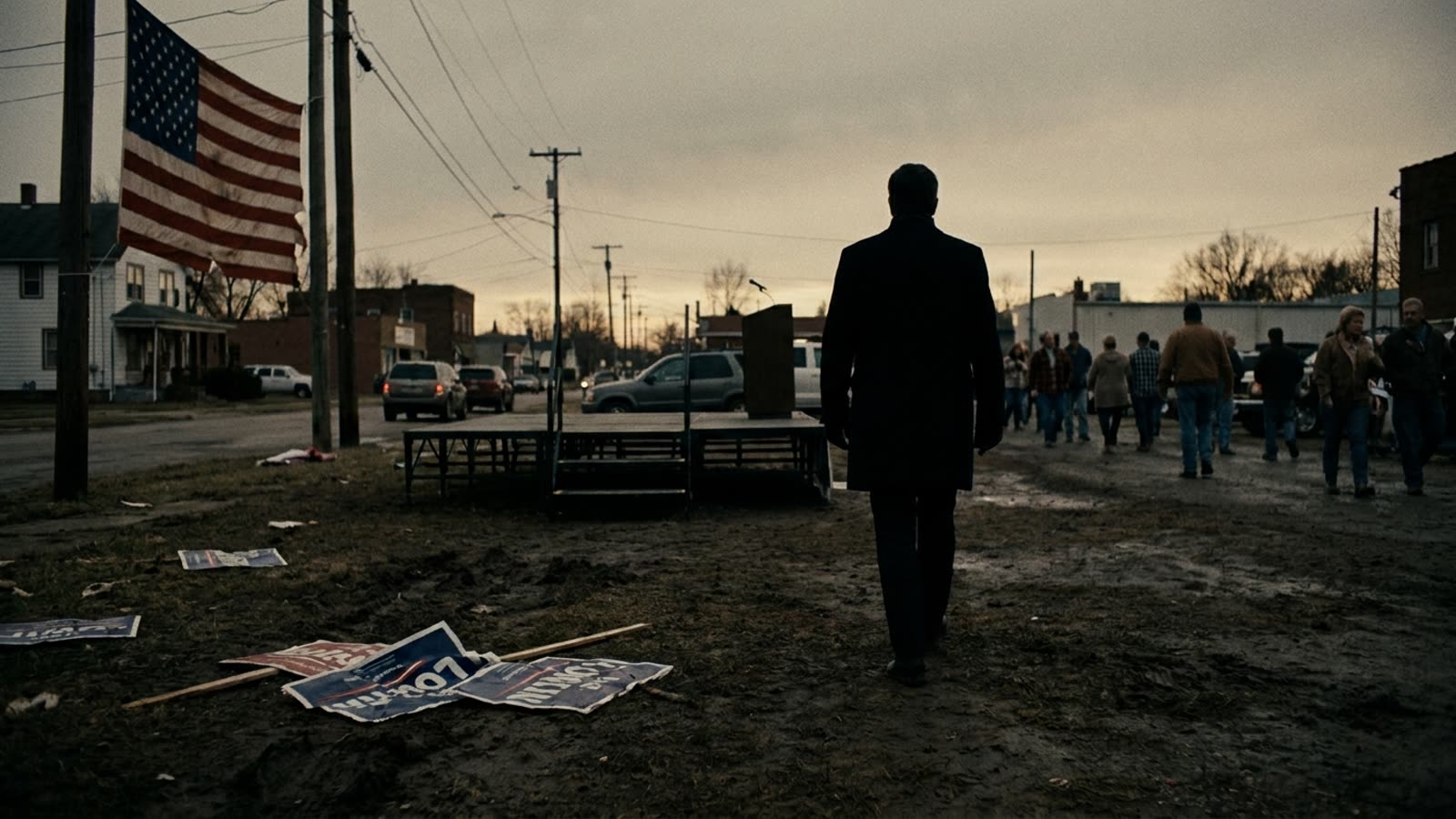
The most telling detail about the Republican Party's 2026 midterm strategy isn't what candidates are saying—it's what they've stopped saying altogether. According to a Times analysis of recent broadcast and streaming advertising data, only a small fraction of GOP ads even mention President Trump, a stunning omission for a party that has spent the better part of a decade treating proximity to the man as its primary currency.
This isn't accidental. With a new Washington Post-ABC poll showing Trump's approval at a dismal 31 percent, Republican strategists have evidently concluded that the president is electoral poison in competitive districts. The calculus is coldly rational: why remind swing voters of the chaos in Washington when you can talk about local issues, inflation, or crime instead?
The silence speaks volumes
For context, consider the trajectory. In 2022, Trump endorsements were coveted prizes, and candidates competed to out-MAGA one another in primaries. By 2024, the party nominated him for a third consecutive presidential run. Now, less than two years into his second term, his own party treats his name like a liability to be managed rather than an asset to be deployed.
The reasons are not mysterious. The administration's recent decision to waive sanctions on Russia has drawn bipartisan criticism. The ongoing fight with California over voter rolls—punctuated today by DOJ charges against 28 green card holders for alleged voter fraud—plays well with the base but alienates moderates. And the president's public attack on Zelenskyy, suggesting "somebody else" should negotiate for Ukraine, has unnerved traditional Republican hawks.
A party without a message
The broader problem for Republicans is what fills the void. If Trump isn't the message, what is? The party has struggled to articulate a coherent governing vision beyond loyalty to one man. Tax cuts have been passed. Judges have been confirmed. The border remains a mess despite years of promises. What remains is grievance politics—but grievance politics typically requires a villain, and it's awkward when your own president is polling worse than the opposition.
Democrats, sensing opportunity, have adopted the inverse strategy: their ads mention Trump constantly. The goal is simple—nationalize every race, make every Republican answer for every Trump statement and policy. It's the same playbook Republicans used against Obama in 2010 and Biden in 2022.
Historical echoes
The last time a party so thoroughly abandoned a sitting president in midterm messaging was 2006, when Republicans distanced themselves from George W. Bush amid the Iraq War's nadir. That year, Democrats gained 31 House seats and 6 Senate seats. The parallel is imperfect—Trump's base remains more personally devoted than Bush's ever was—but the strategic instinct is identical: when the ship is taking on water, pretend you're on a different vessel.
Our take
The GOP's ad strategy reveals a party caught between its base and its survival instincts. Trump voters demand loyalty; swing voters demand sanity. You cannot satisfy both, so Republican candidates have chosen the coward's path: say nothing, hope nobody notices, and pray the president doesn't tweet about you. It might work in individual races. But a party that cannot speak its leader's name is a party that has lost the plot—and possibly the midterms.