The Trump administration's $1.8 billion "anti-weaponization" fund was designed to compensate Americans allegedly targeted by the federal government during the Biden years. It was not designed to compensate Donald Trump himself. Yet a federal judge in Washington has now reopened the president's long-dormant lawsuit against the IRS, and in doing so, she has raised questions about the fund that its architects would prefer to leave unasked.
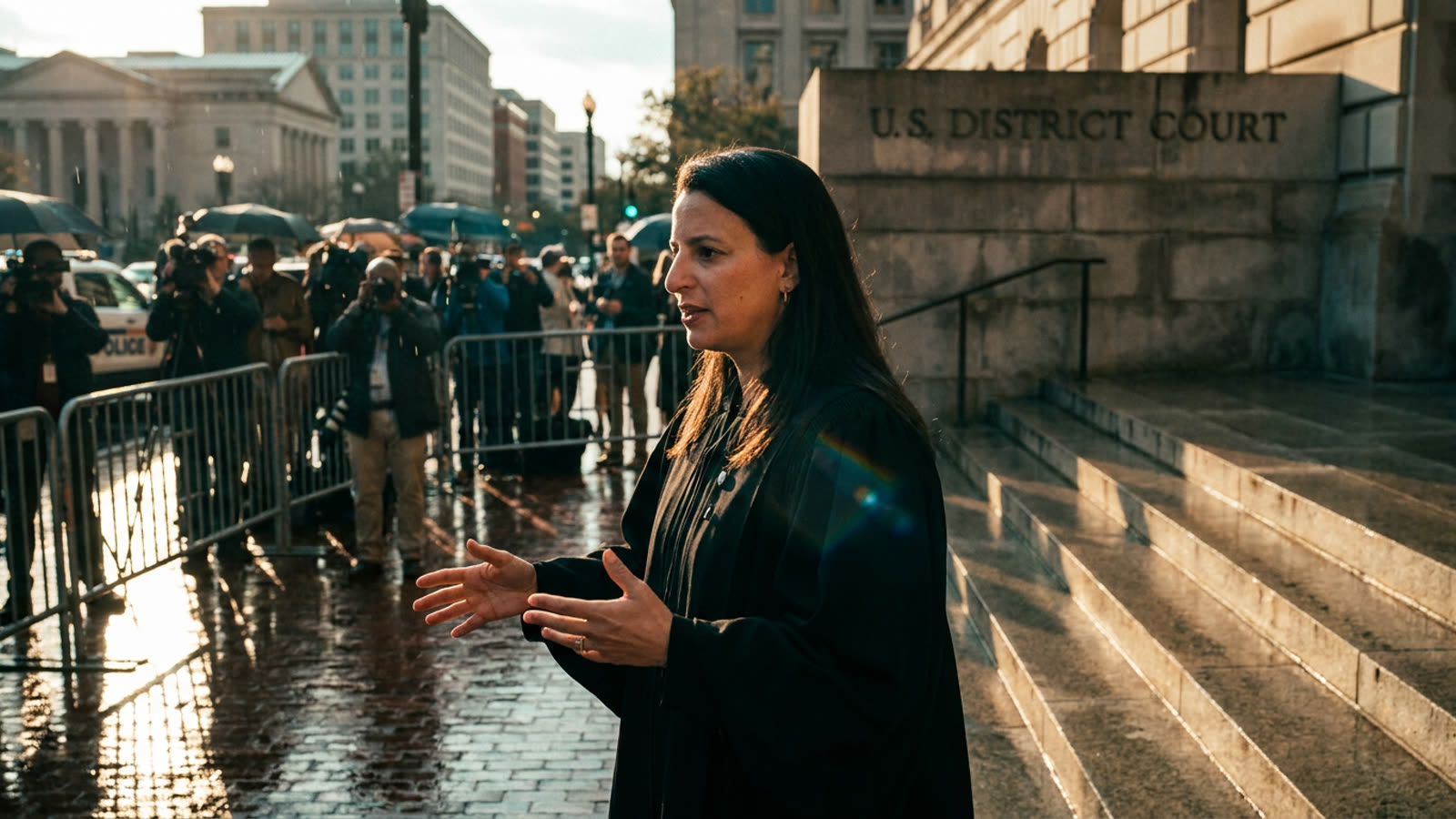
Judge Loren AliKhan of the U.S. District Court for the District of Columbia revived Trump's 2022 case alleging that the IRS improperly leaked his tax returns to journalists. The suit had been effectively frozen while Trump was in office, but AliKhan's ruling does more than restart the litigation clock. Her written opinion explicitly questioned whether the president's own victimhood claims are consistent with the criteria his administration has established for compensating others.
The self-dealing problem
The anti-weaponization fund, created by executive order in February, promises payments to individuals who can demonstrate they were "unfairly targeted" by federal agencies for political reasons. The vetting process is opaque, the evidentiary standards are unclear, and the disbursement timeline remains undefined. What is clear is that the fund's existence depends on the premise that the previous administration systematically abused its power against political enemies.
Trump's IRS lawsuit rests on a similar premise, but with a complication: if the president qualifies as a victim of weaponization, he would theoretically be eligible for compensation from his own fund. AliKhan's ruling did not address this directly, but her questions about the fund's legal architecture suggest she sees the circularity. The administration has insisted the president will not seek payments from the fund, but the judge's skepticism indicates the courts may not accept such assurances at face value.
Senate math gets harder
The timing is unfortunate for the White House. Senate Republicans are already struggling to secure votes for legislation that would codify the fund and appropriate additional resources. Several GOP moderates have expressed concern about the lack of oversight mechanisms, and at least two Republican senators have publicly questioned whether the fund amounts to an unconstitutional appropriation of power. AliKhan's ruling gives skeptics new ammunition.
The judge's opinion noted that the fund's criteria appear to be "results-oriented rather than principle-driven," a phrase that will almost certainly appear in floor speeches from senators seeking cover to vote no. The administration needs every Republican vote it can get; it cannot afford to lose more than three. As of this week, the count is precarious.
Our take
The anti-weaponization fund was always more political theater than legal architecture. It allowed the president to cast himself as both victim and vindicator, the man who suffered under the old regime and now dispenses justice to fellow sufferers. Judge AliKhan's ruling does not kill the fund, but it exposes its internal contradictions. When the same person is plaintiff, defendant, and banker, the system tends to notice.