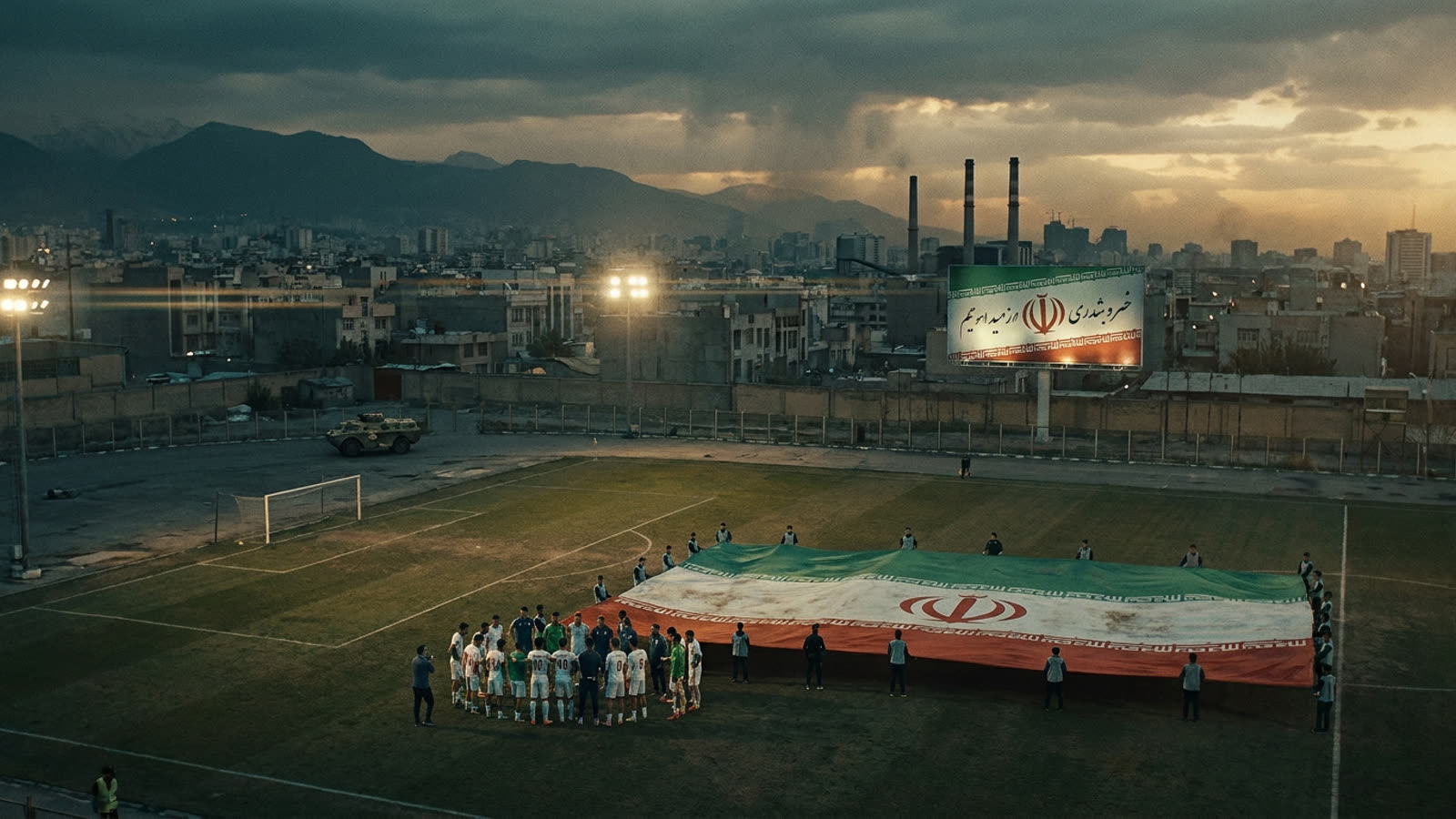
Just when diplomats on both sides believed they had threaded the needle on a historic US-Iran framework, President Trump has thrown new demands onto the table—a move that feels less like statecraft than muscle memory. The pattern is familiar: let subordinates labor toward a deal, then swoop in with maximalist terms that either extract last-second concessions or blow the whole thing up. Whether this gambit succeeds depends entirely on how badly Tehran wants relief from sanctions, and how much credibility Washington has left to spend.
The tougher conditions, according to officials briefed on the negotiations, include expanded restrictions on Iran's ballistic-missile program and more intrusive inspection protocols than previously discussed. These are not unreasonable asks in isolation; hawks in Congress have argued for years that any agreement without missile curbs is incomplete. But introducing them now, after months of painstaking back-channel work, signals either genuine dissatisfaction with the emerging framework or a calculated bet that Iran will blink rather than walk away.
The leverage question
Trump's theory of negotiation assumes the other side always wants a deal more than he does. That assumption held with certain trade partners and crumbled with others—North Korea being the most conspicuous failure. Iran presents a harder read. The regime is economically battered, politically brittle after years of protest, and facing a population that has grown weary of isolation. Yet its leadership has also demonstrated a willingness to endure pain rather than accept terms it views as humiliating. The question is whether Trump's new demands cross that threshold.
Defense Secretary Hegseth's public reminder that the US "remains prepared to restart fighting" is meant to underscore American seriousness, but it also highlights the stakes of failure. A collapsed deal would leave Washington with few options beyond the status quo of sanctions and shadow warfare—or a military confrontation that neither side appears eager to initiate.
Domestic politics intrude
The timing is not accidental. With the 2026 midterms approaching and Trump's legacy increasingly tied to foreign-policy wins, a weak-looking Iran agreement could become a liability. Hardliners in his own party have already signaled skepticism about any rapprochement with Tehran; adding tougher terms now lets the president claim he drove a harder bargain than his negotiators initially sought. Whether Iran accepts those terms is almost secondary to the political optics at home.
There is also the JD Vance factor. The vice president's ambitions for 2028 are an open secret, and Trump has reportedly expressed doubts about anointing a successor who might overshadow him. A triumphant Iran deal would burnish the administration's record—but it would also give Vance a foreign-policy achievement to campaign on. The president's instinct to keep subordinates slightly off-balance may be coloring his approach to the talks themselves.
Our take
Trump's last-minute hardball is vintage dealmaking theater, but theater needs an audience willing to suspend disbelief. Iran has watched this show before and may simply wait out the clock, betting that domestic pressures eventually force Washington back to the original terms. The likeliest outcome is a prolonged stalemate dressed up as "ongoing negotiations"—which serves no one except those who profit from uncertainty. A framework deal remains possible, but the president's instinct to renegotiate his own team's work has made it meaningfully less likely.