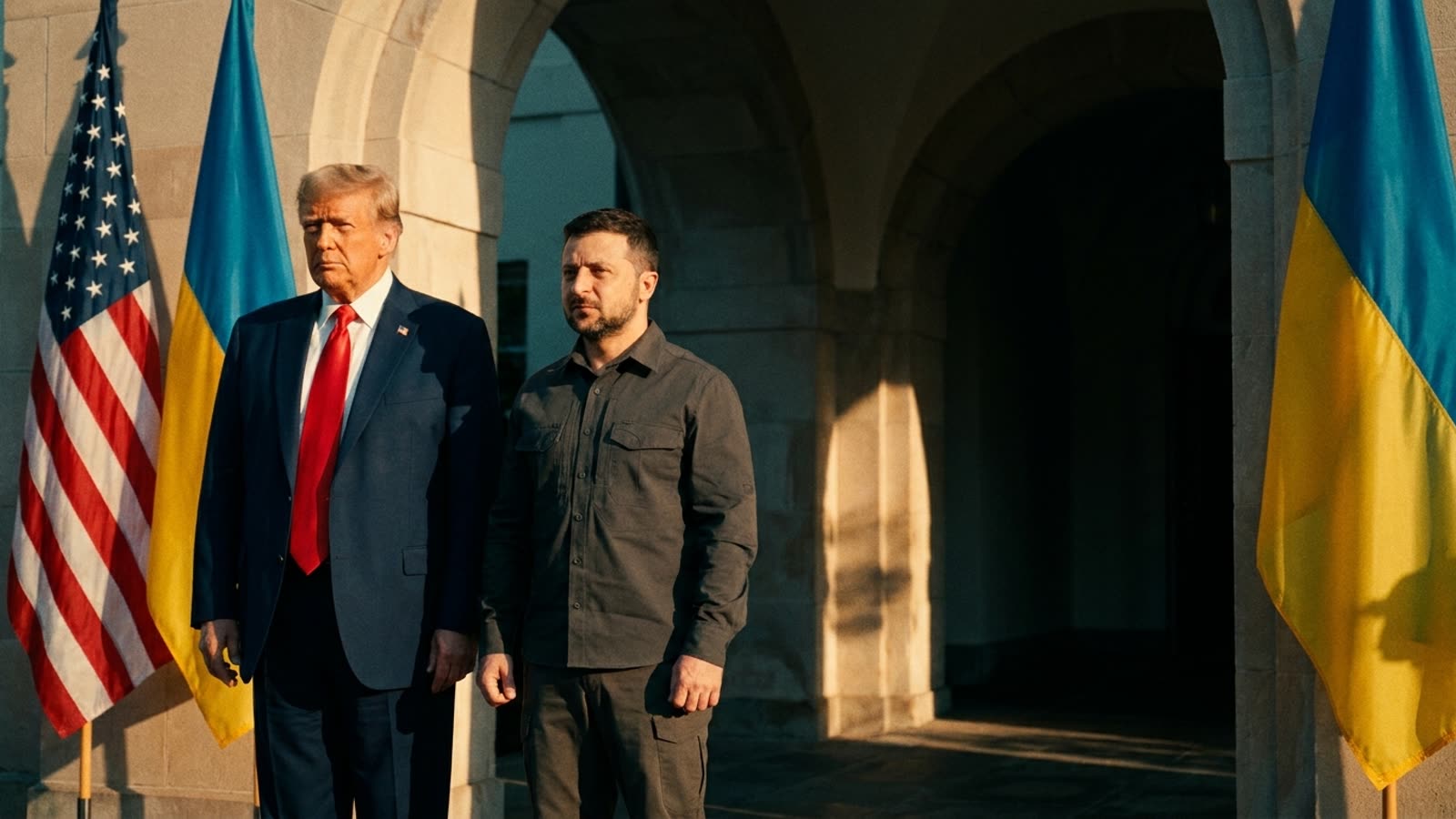
The ink on the Iran agreement is barely dry, and Donald Trump is already pivoting to his next foreign-policy trophy: ending the war in Ukraine. The pattern is familiar — big announcement, bigger promises, relentless momentum — but the stakes this time are higher than anything he attempted in his first term.
Leaving the G7 summit in France, Trump told reporters he would turn his attention to the Russia-Ukraine conflict "very soon," framing the Iran ceasefire as proof that his dealmaking instincts can deliver results where diplomats have failed. The subtext was unmistakable: if he can bring Tehran to the table, why not Moscow?
The Iran playbook
The agreement with Iran — a halt to hostilities, a framework for broader talks, and a path toward sanctions relief — gives Trump a tangible win he can brandish at home and abroad. Critics will note that the deal is preliminary and that Tehran has a long history of backsliding. But in the short term, none of that matters. Trump has a handshake, a photo opportunity, and a narrative: maximum pressure works, and so does maximum flexibility.
That narrative is now being redeployed toward Ukraine. The president has long been skeptical of open-ended military aid to Kyiv, and his political base is even more so. A negotiated settlement — even one that leaves Russia holding territory — would let Trump claim he ended a war that his predecessors could not.
Why Ukraine is harder
The obstacles are formidable. Vladimir Putin has shown no interest in a deal that does not ratify his territorial gains, and Volodymyr Zelenskyy cannot accept terms that look like capitulation without risking his own political survival. European allies, meanwhile, are deeply wary of any arrangement that rewards Russian aggression.
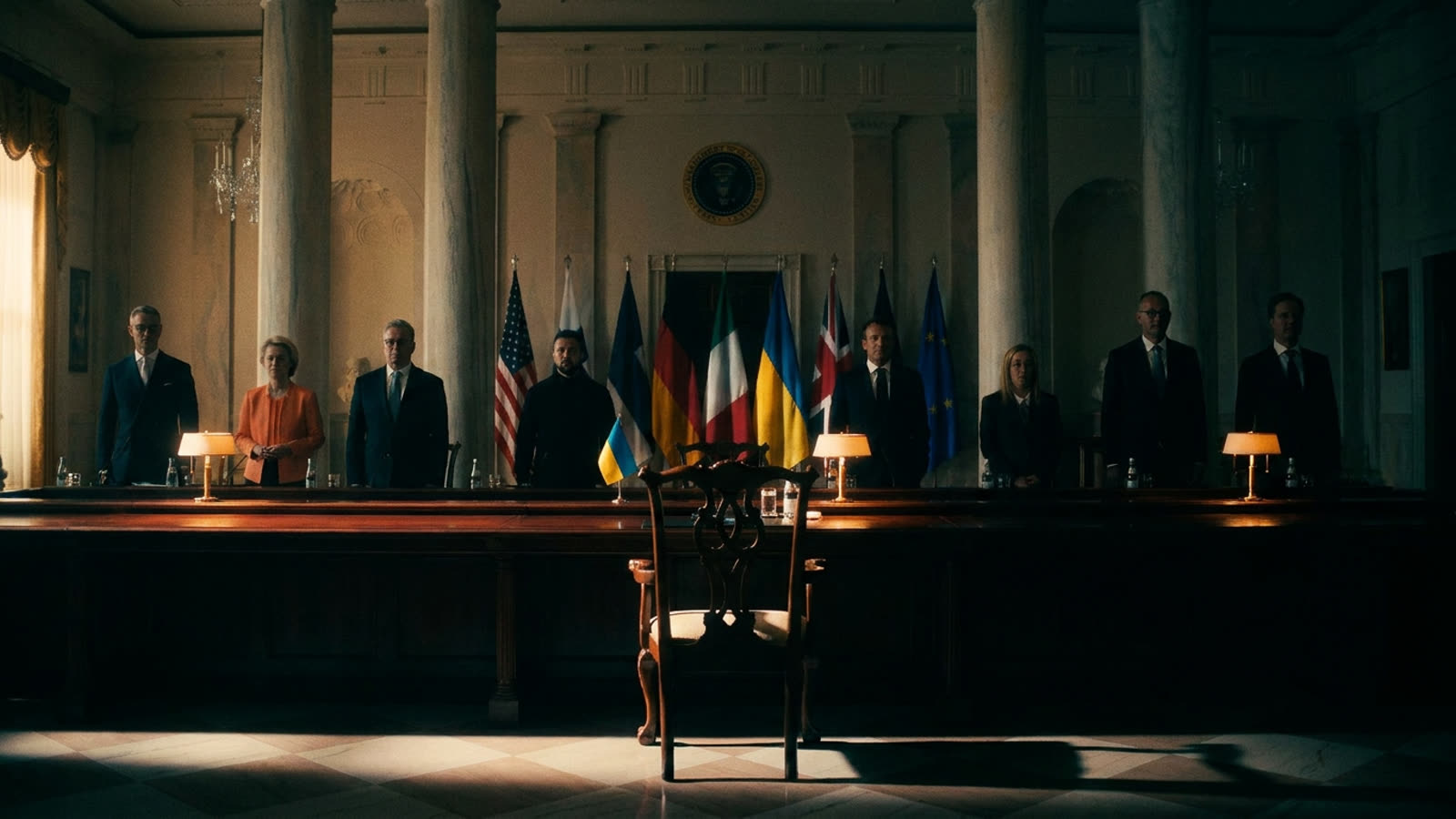
Trump's leverage is real but blunt: the threat to cut off American weapons and intelligence. That threat concentrates minds in Kyiv, but it also alarms Warsaw, Berlin, and London, all of whom fear being left to manage a frozen conflict on their doorstep.
The domestic calculus
For Trump, the politics are seductive. A second foreign-policy breakthrough before the midterms would cement his image as a disruptor who delivers. It would also neutralize Democratic attacks on his handling of alliances and give him a counter-narrative to any economic turbulence at home.
The risk is overreach. If talks collapse or Putin pockets concessions without reciprocating, Trump will own the failure. And unlike Iran, where American casualties are minimal, Ukraine has become a bipartisan symbol of resistance to autocracy — a symbol Trump would be visibly abandoning.
Our take
Trump's instinct to sequence big deals is shrewd political theater, and the Iran agreement — whatever its durability — gives him momentum. But Ukraine is a different beast: more allies with veto power, a more entrenched adversary, and a more engaged American public. The president is betting that his brand of transactional diplomacy can cut through all of it. He may be right. He may also discover that some wars resist the logic of the deal.