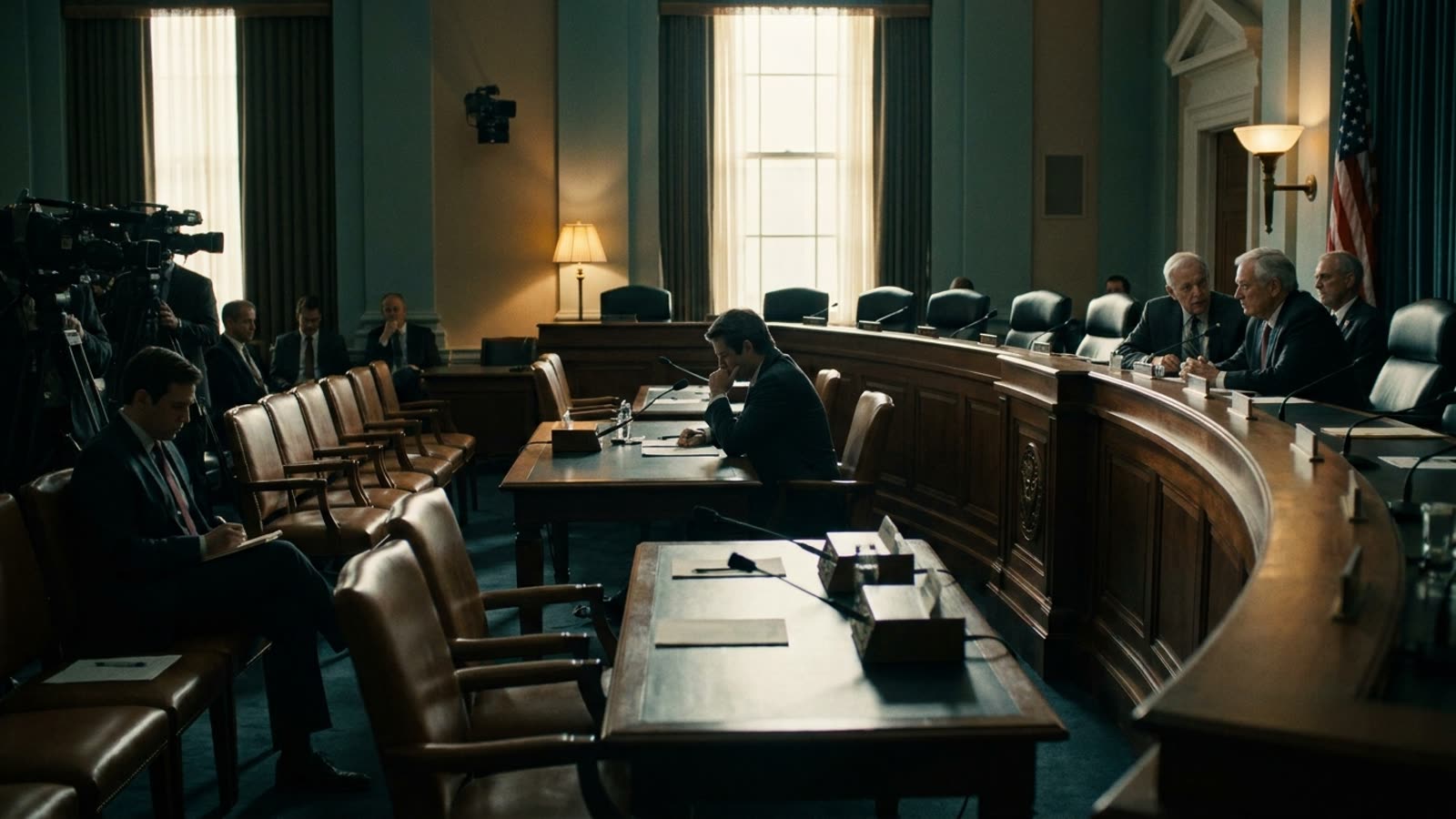
The most telling detail about the emerging Republican revolt over President Trump's Iran agreement is not what lawmakers are saying — it is what they are refusing to say at all.
Senior Republicans, confronted with the specifics of the administration's diplomatic framework with Tehran, have responded with a reaction rarely seen in the MAGA era: stunned silence. Some have declined to comment entirely. Others have offered the kind of carefully hedged non-endorsements that Washington veterans recognize as quiet rebellion. For a party that has spent nearly a decade organizing itself around Trump's every pronouncement, the hesitation is remarkable.
The substance of the split
The Iran agreement represents a genuine ideological rupture, not merely a tactical disagreement. Republican foreign policy since the Reagan era has rested on a foundation of maximum pressure toward Tehran — sanctions, isolation, and the implicit threat of military force. Trump himself campaigned in 2016 on tearing up the Obama-era nuclear deal, which he denounced as catastrophically weak.
Now the same president has negotiated terms that some Republican hawks view as more permissive than the agreement he once destroyed. The details remain partially classified, but enough has leaked to alarm the party's national-security establishment. Several members of the Senate Foreign Relations Committee have privately expressed concerns that the framework offers Tehran economic relief without sufficient verification mechanisms — precisely the critique Republicans leveled at Obama's diplomacy.
Vance's warning shot
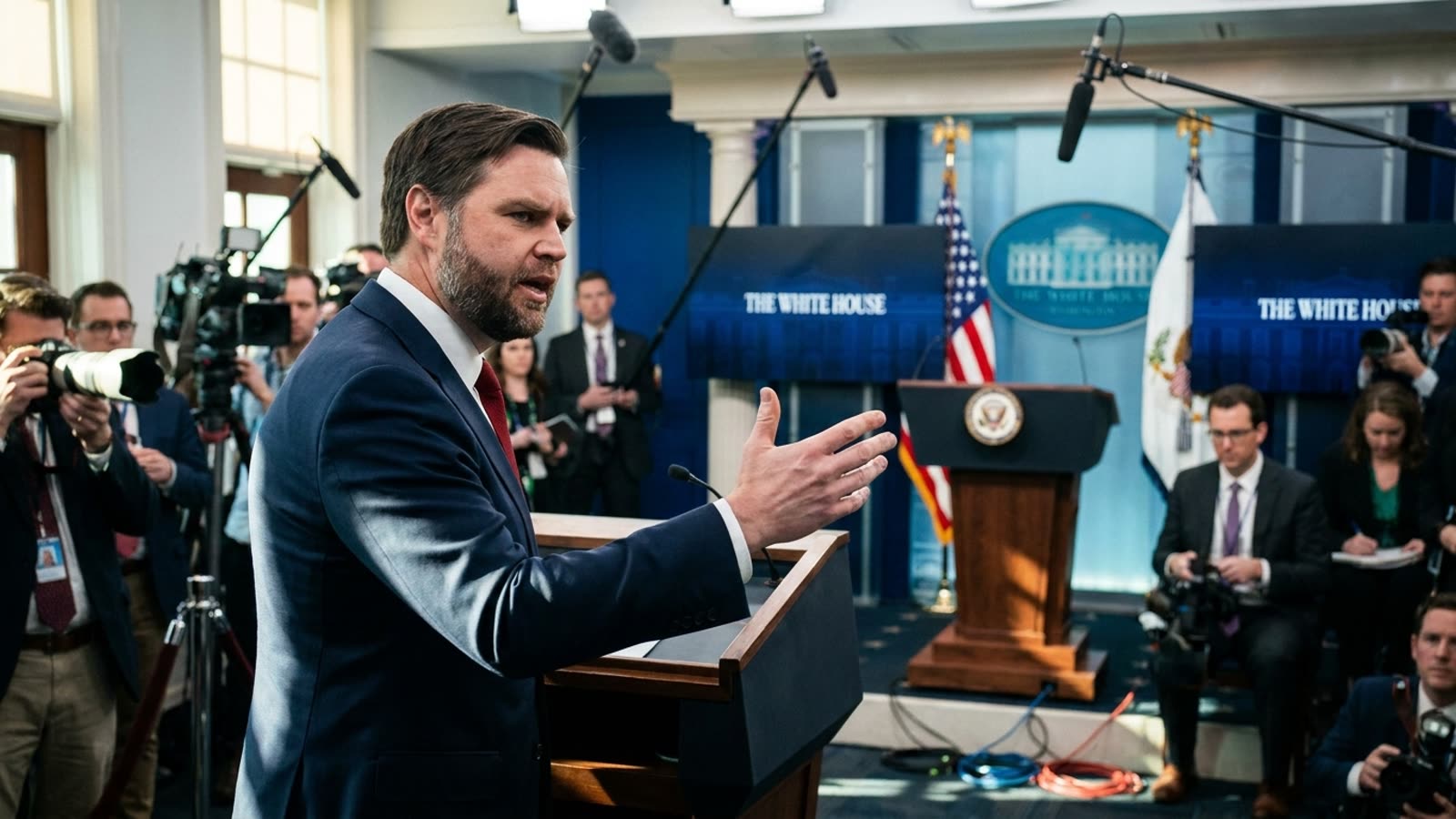
Vice President J.D. Vance's blunt warning to Israeli critics — that Trump remains their "only ally" and they should temper their objections — reveals the administration's awareness that the deal faces opposition from traditional Republican constituencies. Israel's government has been notably cool toward the agreement, and pro-Israel donors represent a significant force in Republican primary politics.
Vance's message was less reassurance than threat: fall in line, or find yourselves without a champion in Washington. It is the kind of hardball the administration plays effectively on domestic policy. Whether it works on matters of war and peace remains to be seen.
Our take
The Republican silence is not cowardice — it is calculation. Lawmakers who have watched colleagues destroyed by Trump's endorsement withdrawal understand the cost of open defiance. But their refusal to offer the usual full-throated defense suggests they are betting the deal may collapse under its own weight, or that the political winds may shift before they are forced to take a position. This is how parties fracture: not with dramatic floor speeches, but with unanswered phone calls and carefully scheduled absences. The Iran deal may or may not reshape the Middle East. It is already reshaping the Republican coalition.