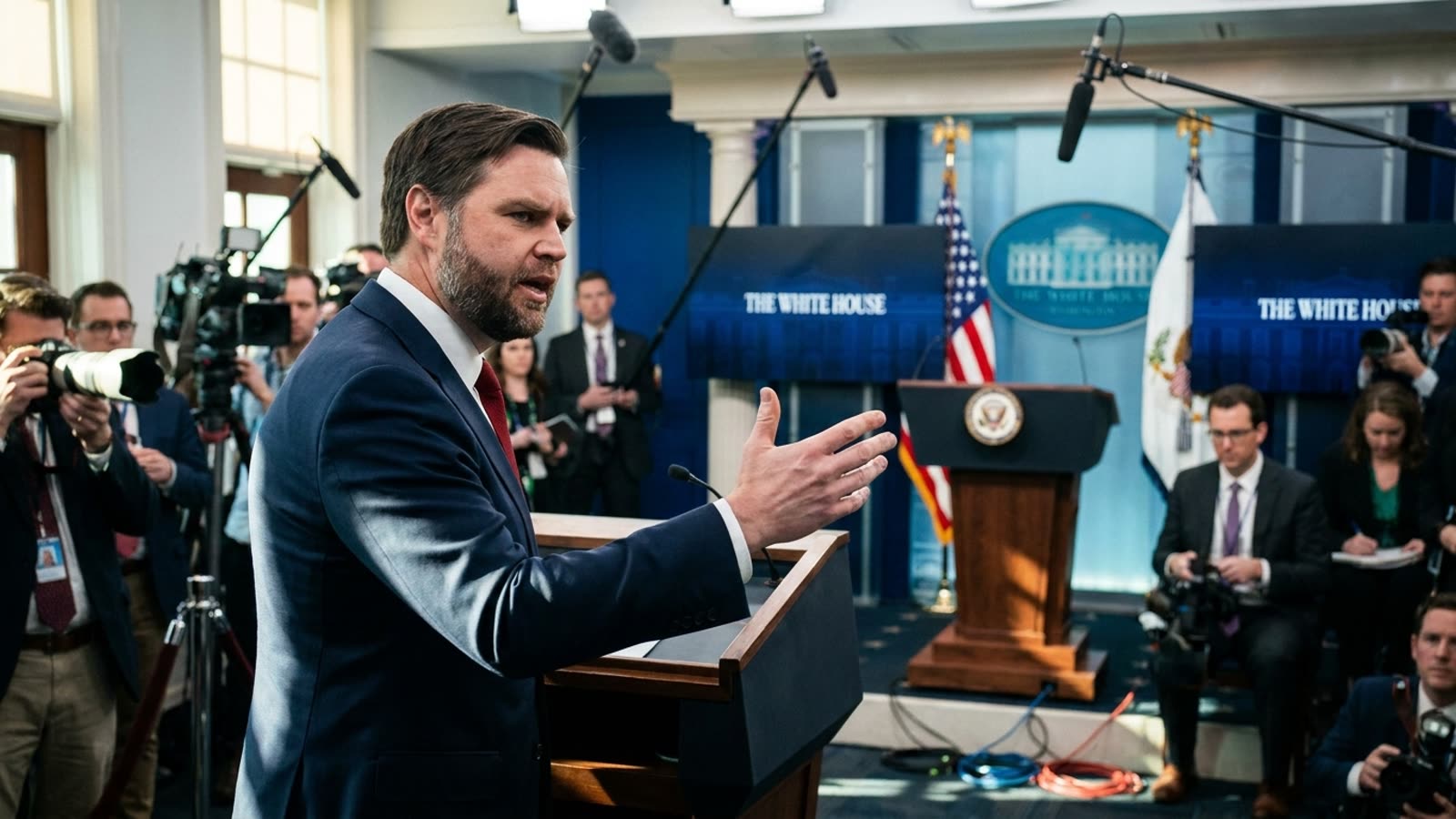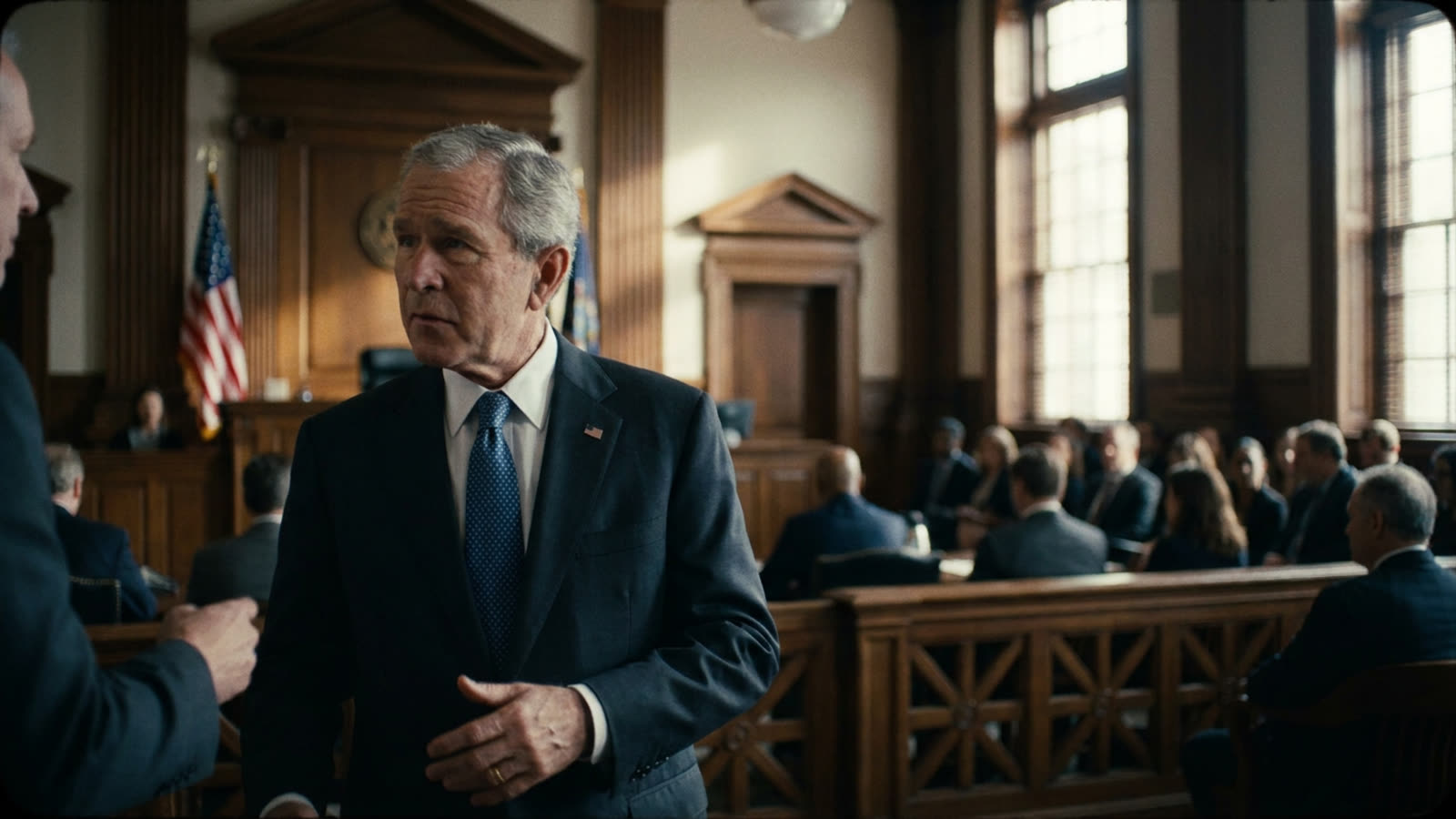
When a former president eulogizes another former president, the living audience matters more than the departed.
George W. Bush's remarks at Jimmy Carter's memorial service this week were ostensibly about the 39th president — the peanut farmer, the peacemaker, the Habitat-hammer-swinger who lived to 100. But the speech's most striking passages had little to do with Carter's specific legacy. Bush praised "a belief in the peaceful transfer of power," lauded leaders who accept electoral defeat with grace, and celebrated public servants who put institutional continuity above personal grievance. He named no names. He didn't have to.
The subtext that wasn't sub
The timing is impossible to ignore. President Trump is fresh off an Iran ceasefire deal that has split his own party, with hawkish Republicans openly questioning whether the agreement serves American interests or merely the president's desire for a diplomatic trophy. Trump's relationship with democratic norms — from his refusal to concede the 2020 election to his continued suggestions that constitutional constraints are negotiable — remains the defining fault line in American politics.
Bush, who maintained a studied silence through most of Trump's first term and the interregnum years, has grown less circumspect. His eulogy joins a pattern of oblique but unmistakable criticism from the Republican establishment's elder statesmen. The message: there is a version of conservatism that respects the architecture of self-government, and there is whatever this is.
Why Carter was the perfect vehicle
Carter's presidency was, by most conventional metrics, unsuccessful. Stagflation, the Iran hostage crisis, a malaise speech that became a punchline. But his post-presidency — nearly half a century of disease eradication, election monitoring, and relentless do-gooding — reframed his legacy as one of character over competence. Bush's eulogy leaned into this framing: Carter as a man who lost power and found purpose, who accepted the voters' verdict and spent the rest of his life proving that public service doesn't require public office.
The contrast with a president who has never accepted an electoral loss, who treats the presidency as a personal entitlement rather than a temporary stewardship, could not be sharper.
Our take
Bush's eulogy was a masterclass in saying everything by saying nothing. The 43rd president has his own complicated legacy — Iraq, Katrina, the financial crisis — and he knows better than to lecture from a high horse. But his implicit rebuke of Trump lands precisely because it isn't explicit. He praised the virtues that the current president lacks without ever naming the deficit. It's the rhetorical equivalent of hanging a portrait of George Washington in a room and letting everyone draw their own conclusions about who doesn't measure up.