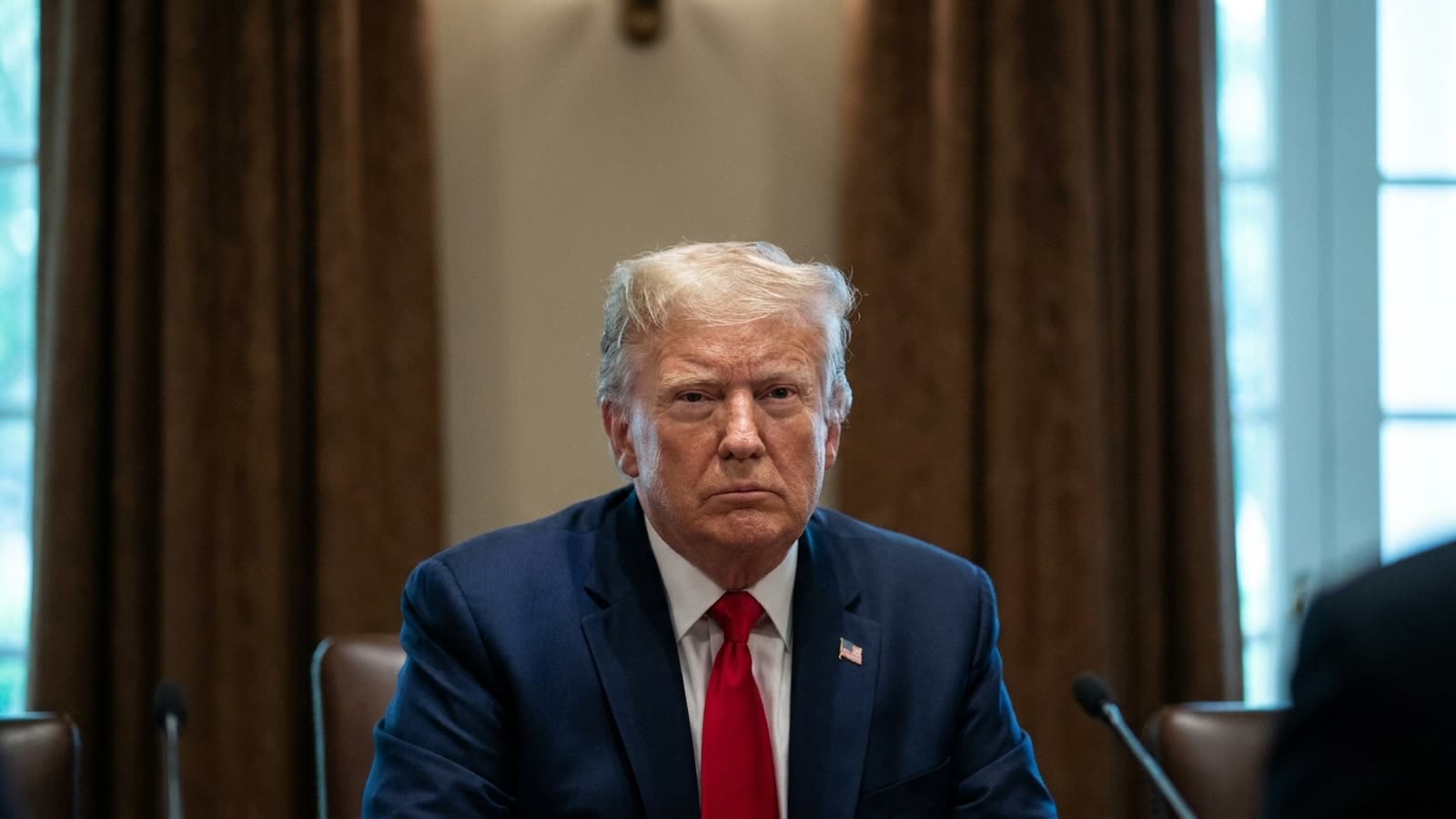
The Trump administration has identified twelve naturalized Americans for citizenship revocation, invoking a legal mechanism so rarely deployed that most immigration attorneys have never seen it in practice. The move transforms denaturalization from an obscure remedy for the most egregious cases into an active enforcement tool—one that could reshape the compact between the state and millions of citizens who were not born here.
The targets are accused of various misdeeds that technically qualify them for the process, though specifics remain limited. What matters more than individual circumstances is the strategic intent: the administration is stress-testing how far executive power can reach into the lives of people who completed every legal requirement for membership in the American polity.
A tool designed for Nazis, now pointed elsewhere
Denaturalization exists because Congress recognized that citizenship obtained through fraud or concealment of disqualifying facts should be voidable. The paradigm cases involved concentration camp guards who lied on their applications about wartime service. Courts treated these proceedings with extraordinary caution, requiring the government to prove its case by clear and convincing evidence—a standard higher than typical civil litigation.
The rarity was the point. Between 1990 and 2020, the Justice Department filed fewer than a hundred such cases total. The current administration's willingness to pursue twelve simultaneously suggests either a dramatic expansion of investigative resources or a dramatic lowering of internal thresholds for what justifies the attempt.
The chilling arithmetic
Approximately 23 million naturalized citizens live in the United States. For this population, citizenship has always carried an asterisk that birthright citizens never face: the theoretical possibility of reversal. That asterisk remained largely theoretical because successive administrations treated denaturalization as a last resort.
The practical effect of aggressive enforcement, even if most cases ultimately fail, is to create a two-tier system where naturalized citizens must consider whether political activity, travel to certain countries, or associations that seem innocuous today might become grounds for scrutiny tomorrow. The process itself—years of litigation, frozen assets, uncertain status—functions as punishment regardless of outcome.
Legal vulnerabilities cut both ways
The administration faces significant constraints. Denaturalization requires judicial proceedings, not mere executive determination. Federal judges, including Trump appointees, have shown willingness to reject government overreach when evidence falls short. The clear-and-convincing standard remains intact, and appellate courts have historically reversed lower-court denaturalizations that relied on thin records.
Yet the mere filing of cases establishes precedent for future administrations. Each successful revocation, however justified on individual facts, expands the perceived legitimacy of the tool. Each unsuccessful case still consumed years of a defendant's life and hundreds of thousands in legal fees.
Our take
Citizenship should mean something permanent—not a provisional status subject to revocation when political winds shift. The twelve individuals targeted may or may not deserve what's coming; we cannot know without seeing evidence that hasn't been made public. But the broader message is unmistakable: naturalized Americans now live under a different social contract than those who arrived by birth. That's a choice with consequences that will outlast any single administration, and it deserves far more debate than it's receiving.