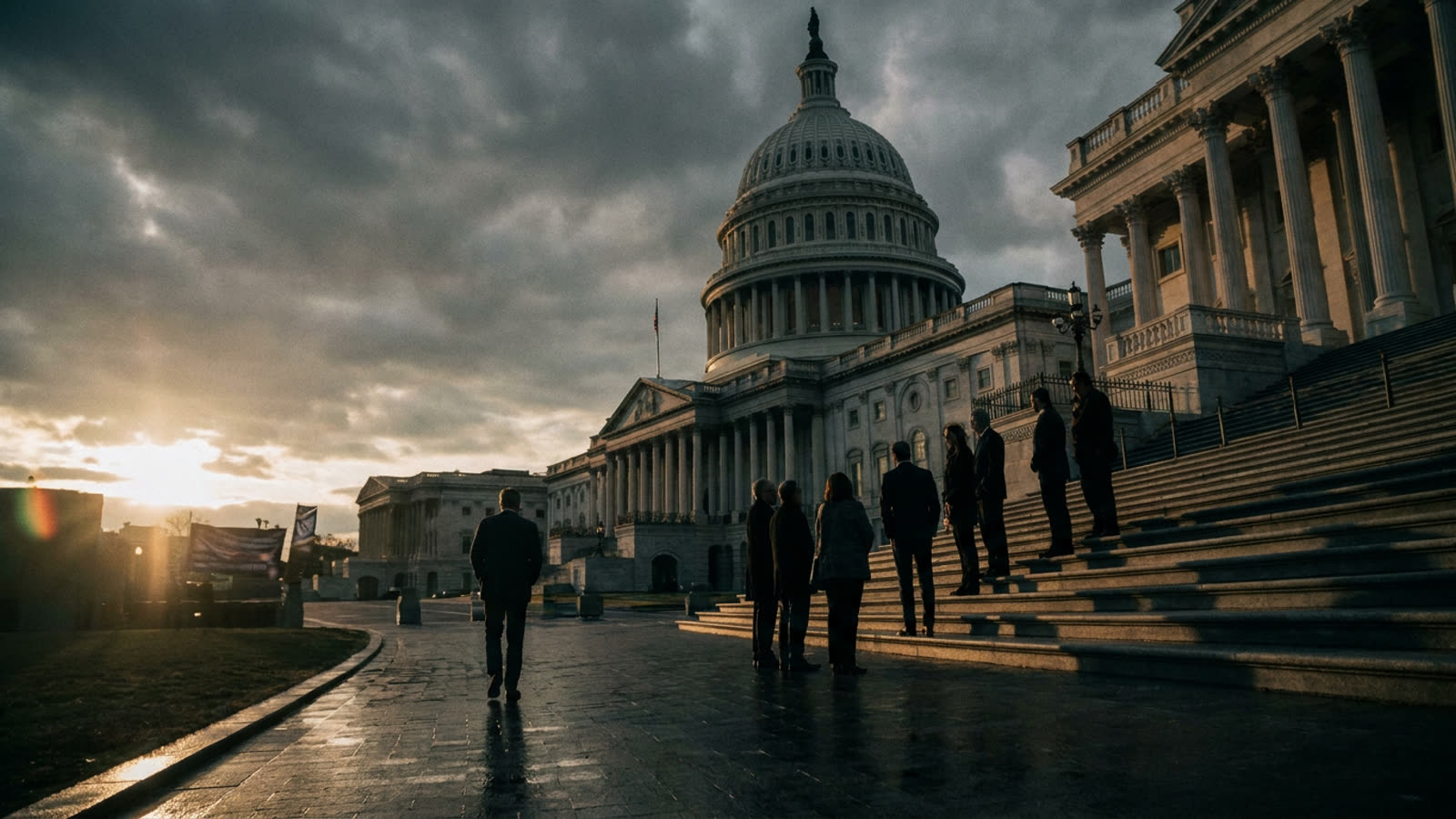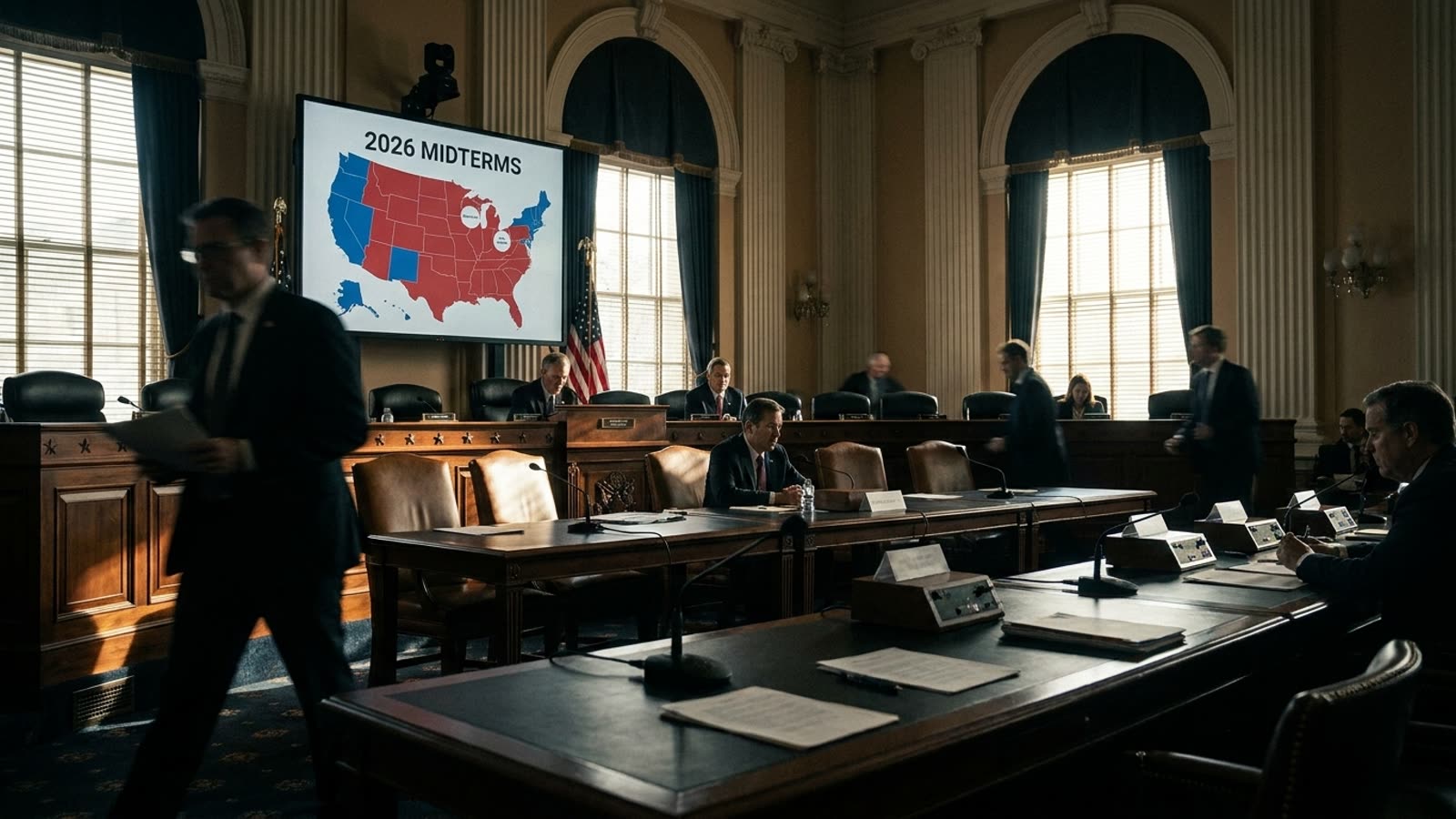
The arithmetic of American midterm elections is unforgiving, and Donald Trump is beginning to feel its weight. Less than six months before voters head to the polls, the president faces a coalition problem of his own making: the very policies energizing his base are systematically repelling the suburban moderates and independents who delivered Republican majorities in 2024.
This is not a new dynamic in American politics—presidents routinely suffer midterm corrections—but the speed and specificity of Trump's erosion is notable. His administration's aggressive moves on immigration, including the green card overhaul that could compel hundreds of thousands to leave the country, play exceptionally well in Republican primaries. They poll catastrophically in the Philadelphia suburbs, the Atlanta exurbs, and the Arizona swing districts that will determine whether the GOP retains the House.
The coalition paradox
Trump's political genius has always been mobilization rather than persuasion. He turns out voters who otherwise stay home. But midterm electorates are smaller, older, and more educated than presidential-year voters—precisely the demographic profile where Trump's approval ratings have cratered since January.
Recent internal Republican polling, portions of which have leaked to multiple outlets, shows the party's generic ballot advantage evaporating in competitive districts. The culprit is not any single policy but the cumulative effect of governing by confrontation: the Iran military escalation, the clash with congressional Republicans over spending, the green card chaos at USCIS offices nationwide.
History's warning
Every modern president except George W. Bush in 2002 has lost House seats in their first midterm. The question is magnitude. Bill Clinton lost 54 seats in 1994; Barack Obama lost 63 in 2010. Both recovered to win re-election, but both also pivoted toward the center after their shellackings.
Trump has shown no appetite for such modulation. His theory of the case remains that intensity beats breadth—that a fired-up base can overwhelm a demoralized opposition. It worked in 2024. Whether it can work in a midterm, with his name not on the ballot and his policies very much on trial, is the wager he is placing with his party's congressional majorities.
Our take
Trump is not wrong that the old rules of politics have bent around him before. But midterms are a referendum, not a choice, and referendums on polarizing incumbents rarely end well. The math problem is not that Trump cannot add—it is that he refuses to subtract anything from his agenda that might make the addition easier. Six months is enough time for the numbers to shift. It is not enough time for Trump to become someone he has never been.