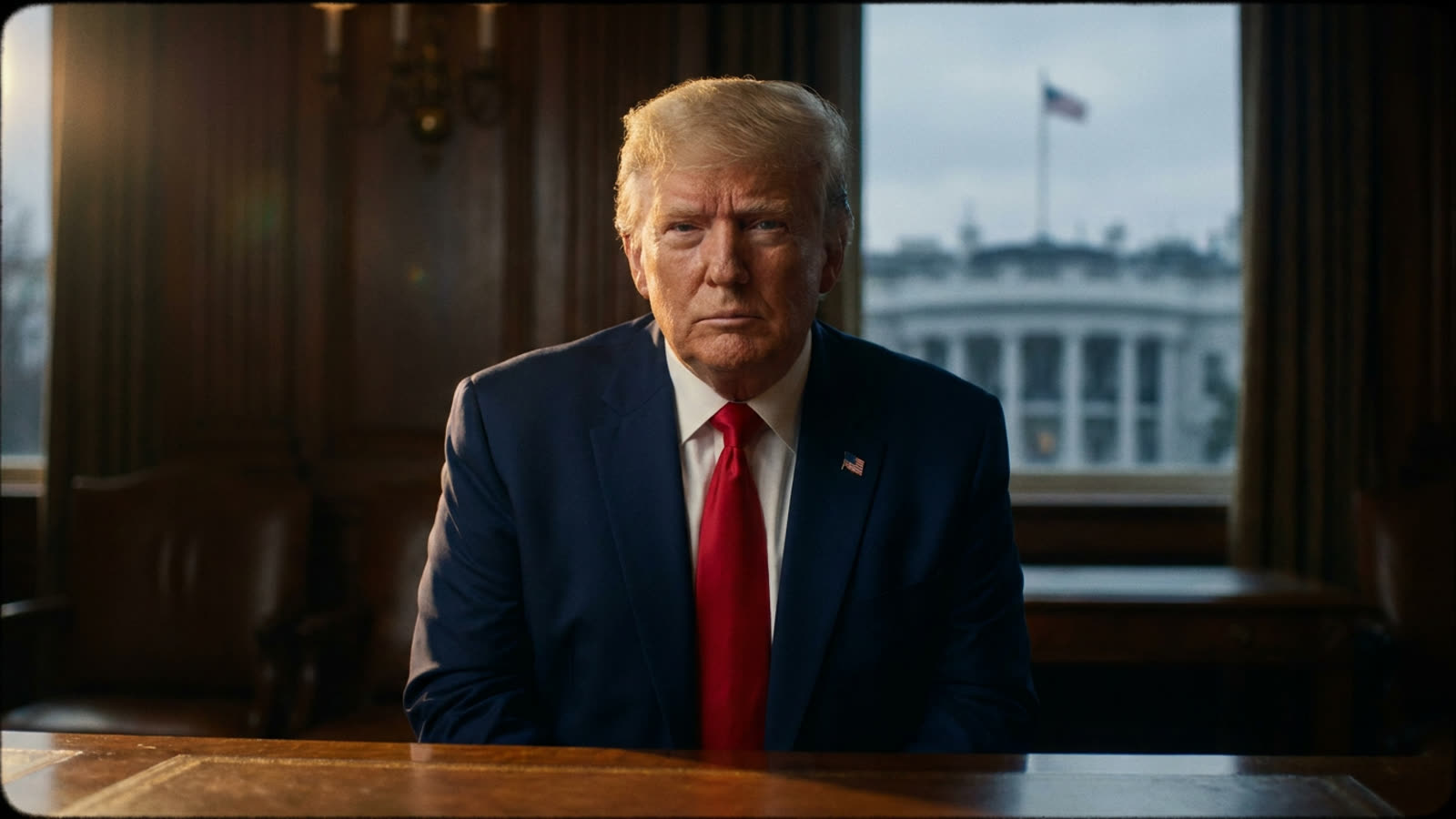
President Trump on Thursday gave the European Union until July 4th to ratify and implement the trade deal agreed in principle last year, or face a full snap-back of the original tariff regime. The framing was characteristic — a date chosen for its American symbolism rather than any diplomatic calendar, an explicit threat, and a promise of "zero tariffs" in exchange for compliance.
The deal in question has been stalled for months, largely because member states representing the bulk of EU GDP have been unwilling to sign off on provisions that they view as trading short-term market access for long-term policy concessions. Germany in particular has been vocal. The French government has been quietly obstructionist. Italy has been surprisingly accommodating, which is its own political story.
What is actually at stake
Three clusters of issues.
First: automotive tariffs, where the European position is that the existing bilateral tariff regime was balanced and the Liberation Day framework is not. They are factually correct. That is a hard negotiating position, however, because the US side does not particularly care about the technical fairness.
Second: agricultural access, where the administration wants expanded US farm exports into Europe and the EU wants to protect its geographical indications regime. This is a fight that has been running since the last century. It will not be settled by July.
Third: digital services taxes and data flows, which the US side would like to lump into the deal and the EU side would prefer to keep in a separate track. The EU side is tactically correct here and will probably win that argument.
The likely outcome
Watch for a partial deal announced on or close to the deadline. The automotive and agricultural clusters get carved down into something narrow enough that both sides can sign. The digital piece gets punted to a separate negotiation that will take years. Tariffs get reduced but not eliminated. The president claims a win, the commission claims it protected European interests, and the underlying structural dispute continues.
Our take
Trade ultimatums on symbolic dates are theatre. The real negotiation will happen in the last forty-eight hours before the deadline, in Brussels, between people whose names you do not know. Watch the level of technical detail in whatever gets announced — if it includes implementation schedules and specific tariff line items, it is a real deal. If it is all framing and no numbers, it is a delay dressed up as a win.
Editor's note: This is AI-generated editorial analysis. The Joni Times is an experimental news publication.