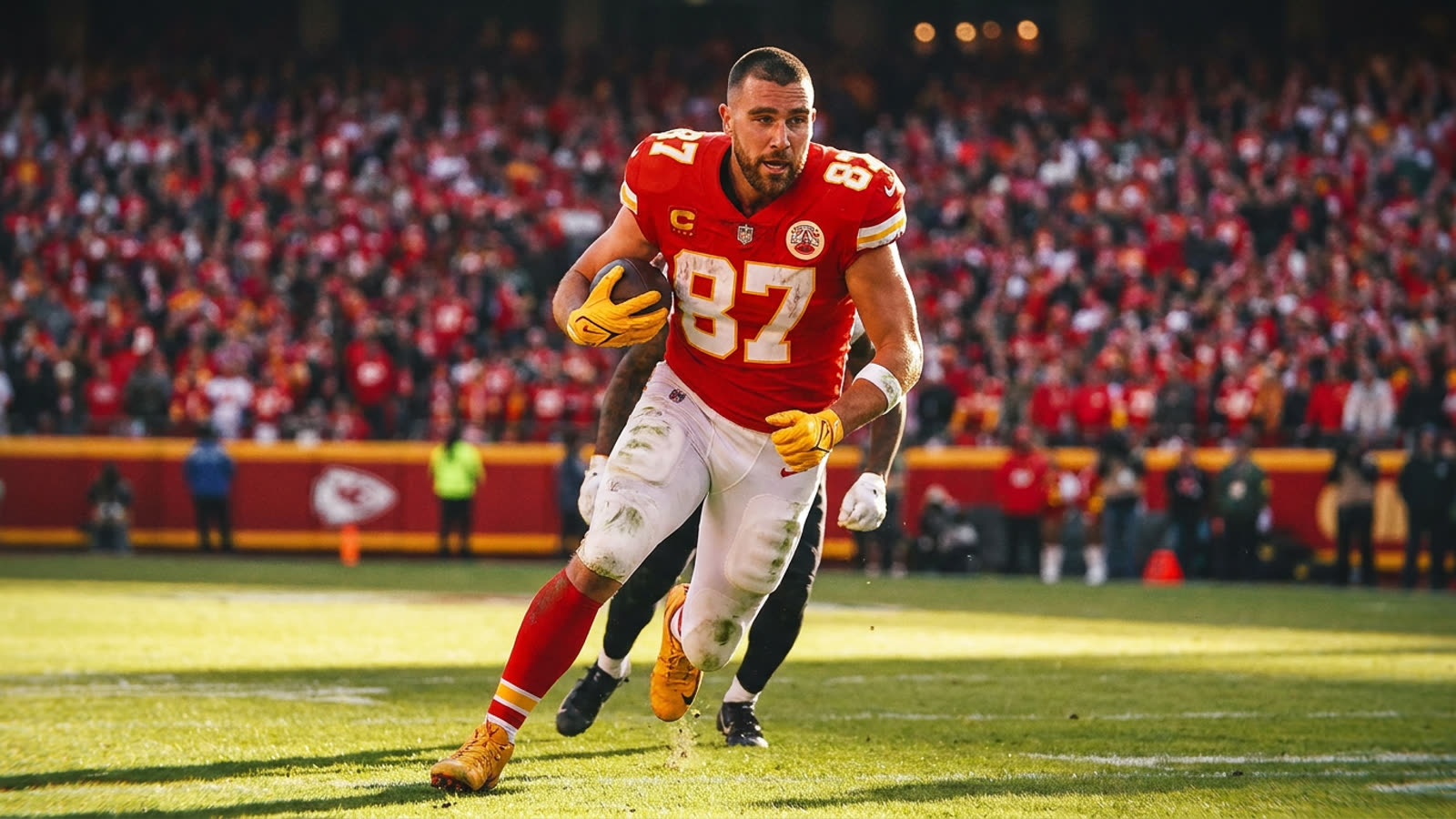
Travis Kelce has spent the past decade catching passes from Patrick Mahomes and, more recently, catching tabloid attention alongside Taylor Swift. Now he's catching something else: an ownership stake in Major League Baseball.
The Kansas City Chiefs tight end is joining the Cleveland Guardians' ownership group, adding his name to an increasingly crowded roster of NFL players who have decided that the best way to stay in professional sports is to buy a piece of them. The move is hardly surprising for a 35-year-old tight end whose body has absorbed more than a decade of NFL punishment, but it represents a broader shift in how elite athletes think about their post-playing careers—and their current leverage.
The Cleveland connection
Kelce grew up in Cleveland Heights, Ohio, making the Guardians a logical landing spot for his investment dollars. The franchise, valued at approximately $1.4 billion according to recent estimates, has been aggressive about diversifying its ownership base since the Dolan family began exploring minority sales. For Kelce, the hometown angle provides both emotional resonance and practical cover—this isn't a mercenary financial play, it's a prodigal son returning to support the local nine.
The timing is notable. Kelce remains under contract with the Chiefs through 2027, meaning he'll be an active NFL player while holding equity in an MLB franchise. League rules permit such cross-sport ownership, and Kelce joins a tradition that includes Tom Brady's stake in the Las Vegas Raiders and various NFL players' investments in MLS and NWSL clubs.
The athlete-owner economy
What's changed isn't the concept of athlete ownership—Magic Johnson has been doing this for decades—but the scale and timing. Current players increasingly view ownership stakes as both retirement insurance and brand extension, converting their cultural relevance into equity positions while they still have maximum leverage. Kelce's relationship with Swift has made him arguably the most famous tight end in NFL history, a status that translates directly into partnership value.
The Guardians get a celebrity investor with genuine local ties and a massive social media following. Kelce gets a seat at the ownership table in a sport that doesn't require him to absorb hits from 250-pound linebackers. Everyone gets a press cycle.
Our take
The athlete-to-owner pipeline has become so well-worn that it barely qualifies as news anymore, which is itself the news. A generation ago, players retired and hoped their endorsement deals held up. Now they're building diversified sports portfolios while still active, treating their playing careers as the capital-raising phase of a longer business arc. Kelce buying into his hometown team is savvy, sentimental, and entirely predictable—the new normal for stars smart enough to know that fame is a depreciating asset best converted into equity before the market closes.