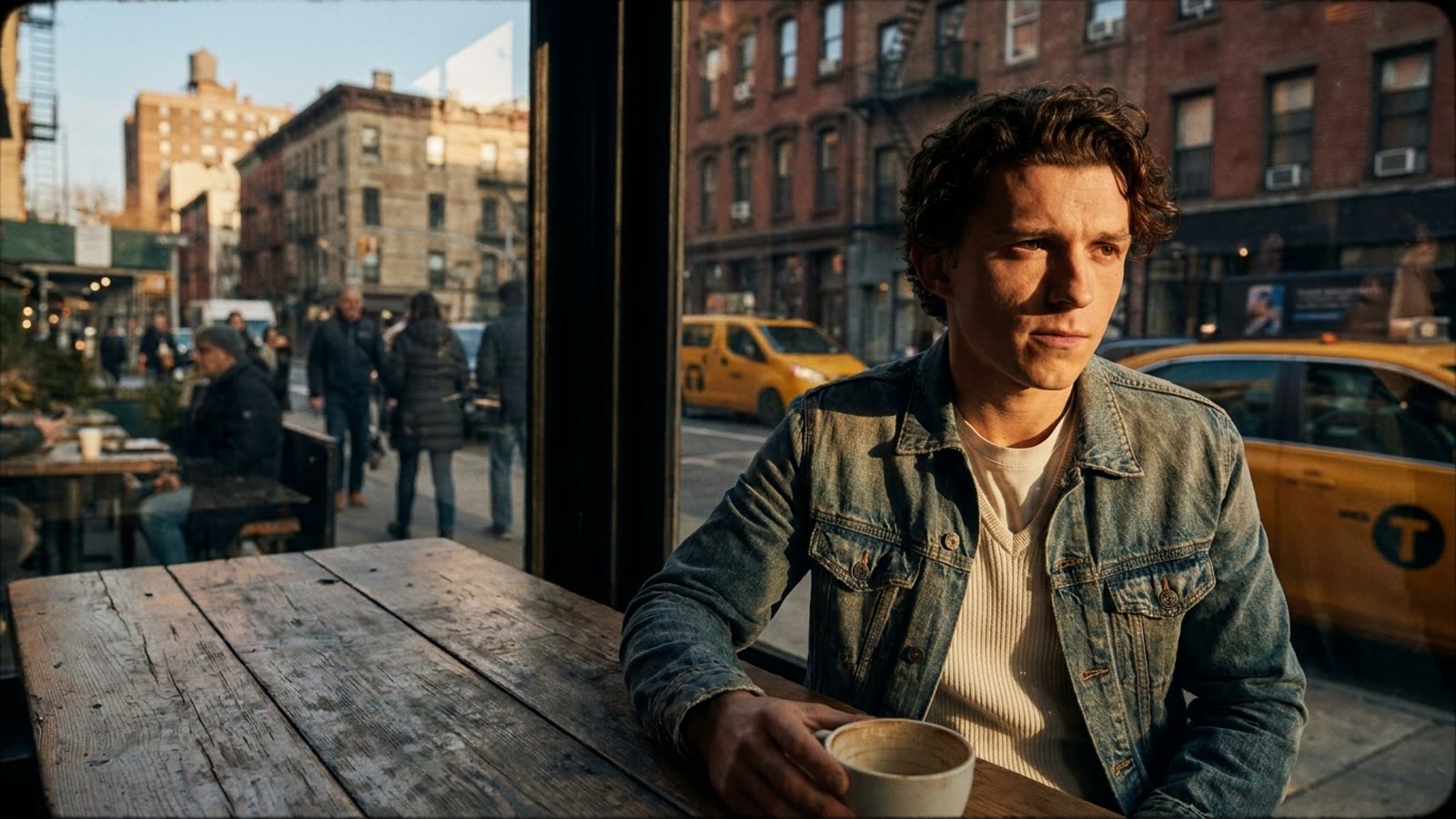
Tom Holland has fought aliens, swung between skyscrapers, and survived the notoriously grueling Marvel production schedule. None of it, he now says, compared to putting down the drink.
In a new interview, the actor described his first year of sobriety as the most difficult challenge he has faced—a striking admission from someone whose professional life has been defined by physical extremity. Holland, who turns 30 this month, first revealed his relationship with alcohol in 2022 when he completed Dry January and found himself unable to stop. He has been sober since, a journey he has discussed with increasing openness as the years have passed.
The quiet shift in Hollywood masculinity
Holland's willingness to frame sobriety as harder than blockbuster filmmaking matters because of who is saying it. He is not a character actor emerging from rehab with a comeback narrative; he is the face of a $2 billion franchise, speaking from a position of professional security. That security, paradoxically, makes the vulnerability more potent. He has nothing to prove and nothing to sell—except perhaps the idea that admitting struggle is not career suicide.
The timing is notable. Hollywood's relationship with sobriety has shifted dramatically over the past decade. Where previous generations of leading men treated drinking as part of the job description—the Rat Pack mythology, the hard-living auteur—today's A-list increasingly treats it as a health optimization choice, like cold plunges or elimination diets. But Holland's framing is different. He is not talking about peak performance; he is talking about survival.
Why this resonates with young men
Men under 35 are drinking less than any previous generation, yet they are also dying of alcohol-related causes at rising rates—a statistical paradox that suggests those who do drink are drinking harder. Holland's audience skews young and male, the exact demographic most resistant to traditional mental health messaging and most susceptible to the kind of quiet dependency he describes.
His approach has been notably unglamorous. No dramatic rock-bottom story, no celebrity rehab facility, no tearful podcast confession. Just a slow, public reckoning with the realization that something he thought was manageable was not. The ordinariness of his experience—Dry January revealing a deeper problem—is precisely what makes it relatable. Most people who struggle with alcohol do not lose jobs or marriages; they simply notice, one day, that they cannot imagine a weekend without it.
Our take
Holland has stumbled into a cultural role that no publicist would have scripted: the accessible male celebrity who treats emotional honesty as unremarkable rather than heroic. In an era when young men's mental health has become a genuine crisis—suicide rates, isolation, the loneliness epidemic—his matter-of-fact candor is more valuable than any awareness campaign. He is not asking for applause. He is just saying the quiet part out loud, which is exactly what makes it land.