The art world has always loved a good pseudonym—Banksy built a career on it, Elena Ferrante sold millions of books behind one—but Jerry Gogosian represents something newer and stranger: an anonymous Instagram account that has parlayed sardonic memes about gallery culture into actual institutional influence.
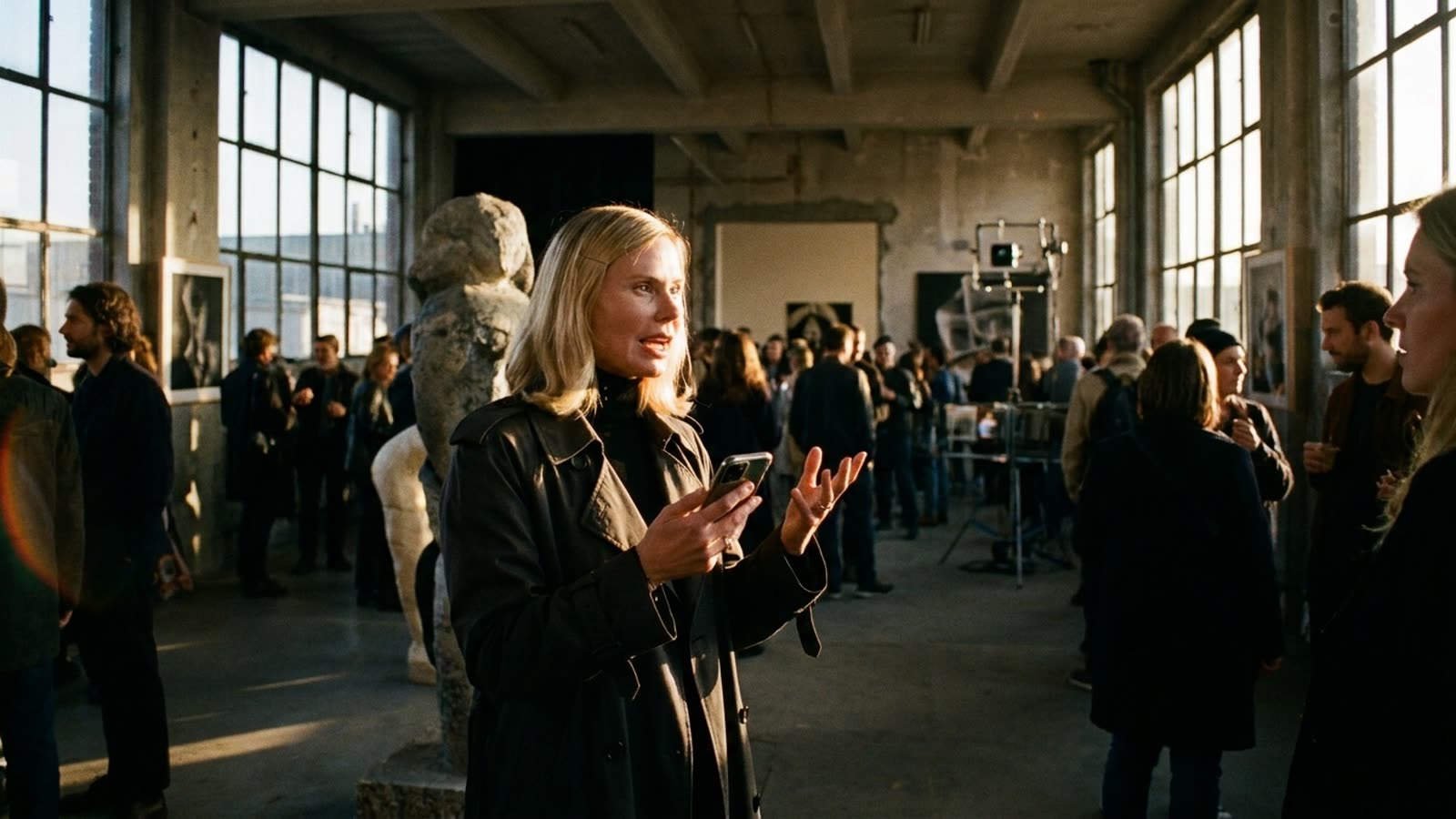
The account, which takes its name from mega-dealer Larry Gogosian (the deliberate misspelling a wink to those who get the joke), started as an insider's pressure valve. Posts lampooned the absurdities of art fairs, the performative seriousness of collector dinners, the way gallerists describe everything as "important." The humor was specific enough to signal genuine proximity to the scene, broad enough to travel beyond it.
From satire to strategy
What changed is reach. With followers now reportedly in the high six figures, Jerry Gogosian has become a tastemaker whose endorsement—or mockery—can move attention toward emerging artists or embarrass established ones. Galleries have begun treating the account the way fashion houses once treated early bloggers: with a mixture of suspicion and strategic flattery. Some have offered early access to shows; others have quietly complained about being targeted.
The account's creator has given occasional interviews but maintained anonymity, claiming the mask allows for honesty impossible under a real name. Critics counter that anonymity also allows for conflicts of interest: if Jerry Gogosian privately advises collectors or consults for galleries, followers have no way of knowing.
The economics of art influence
The broader phenomenon matters because the contemporary art market—estimated at tens of billions annually—has always been opaque. Prices are set in private, provenance is sometimes murky, and taste is manufactured by a small network of curators, critics, and dealers. Social media was supposed to democratize this, and in some ways it has: artists can build audiences without gallery representation, collectors can discover work without attending Basel.
But Jerry Gogosian shows the limits of that democratization. The account's power derives precisely from its insider knowledge, its ability to mock the right targets in the right vernacular. It is not disrupting the art world's hierarchies so much as adding a new layer to them—one where influence accrues to whoever can best perform knowingness.
Our take
There is something both delightful and slightly exhausting about Jerry Gogosian's rise. The jokes are good; the cultural commentary is sharp; the refusal to monetize overtly (so far) lends credibility. But the art world hardly needed another gatekeeper, even a funny one. The account's real achievement may be proving that in an industry built on exclusivity, the most valuable currency is still the appearance of being in on the joke—whether or not anyone knows who is telling it.