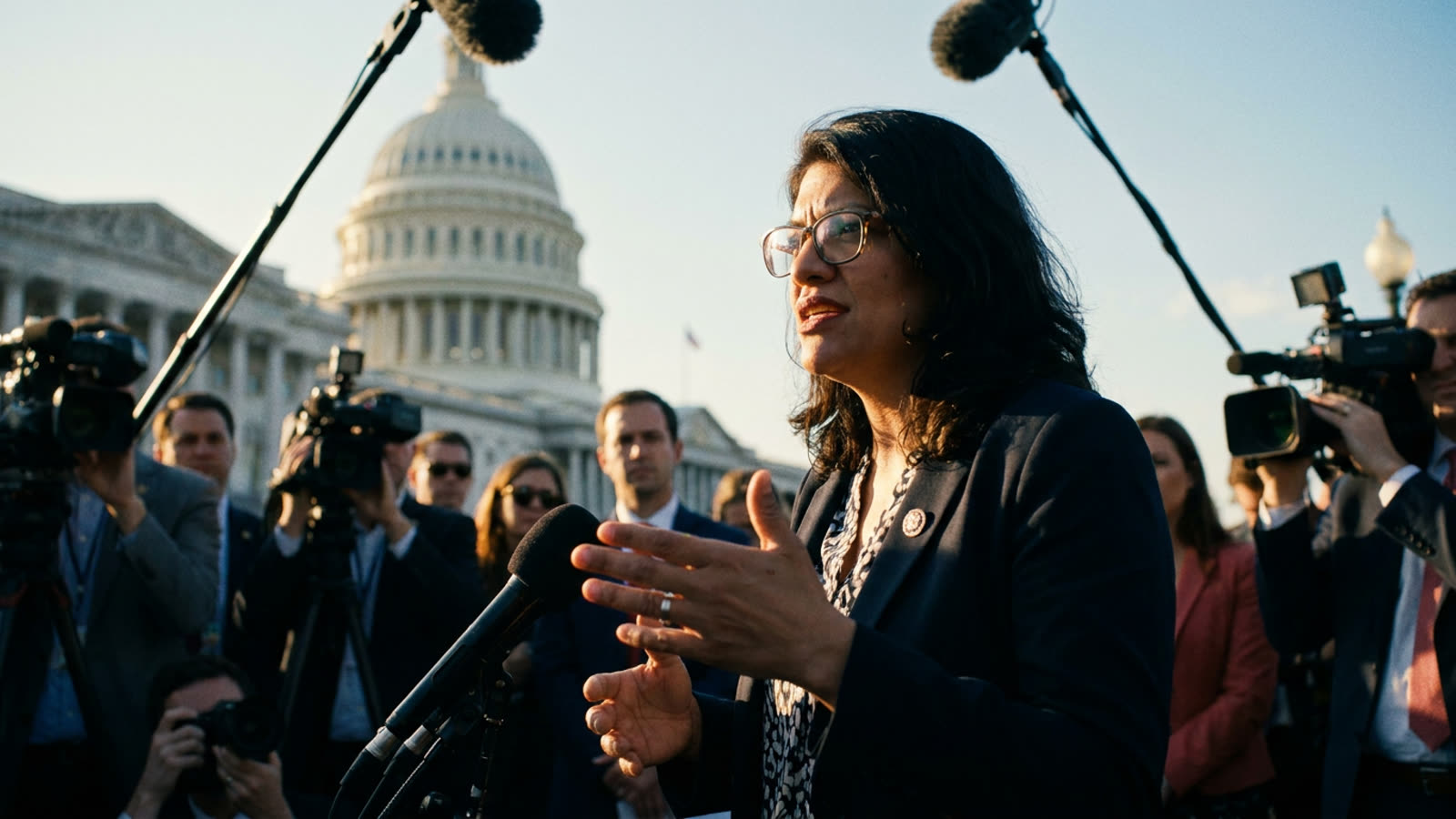
Congressional stock trading scandals follow a reliable script: leak, outrage, proposed reform, quiet burial. Rashida Tlaib is attempting to skip to the uncomfortable middle act. The Michigan Democrat took to the House floor this week to directly accuse unnamed colleagues of purchasing defense-contractor shares in the days before the Trump administration's strikes near the Strait of Hormuz became public knowledge, demanding an immediate ethics investigation and the release of trading records.
The accusation is explosive not because it is novel—suspicions of well-timed congressional trades have dogged both parties for years—but because Tlaib chose confrontation over the usual passive-aggressive press release. By naming the conduct without naming the members, she has forced the House Ethics Committee into an awkward spotlight: investigate or appear complicit.
The STOCK Act's hollow promise
Congress ostensibly solved this problem in 2012 with the Stop Trading on Congressional Knowledge Act, which required lawmakers to disclose trades within 45 days and explicitly banned trading on nonpublic information. The law has proven toothless. Penalties for late disclosure are trivial, enforcement is nearly nonexistent, and the 45-day window provides ample time to obscure the connection between a vote and a buy order. Multiple bipartisan bills to ban congressional stock ownership outright have died in committee, victims of the same institution they sought to reform.
Tlaib's gambit is less about passing legislation than about political theater—though in Washington, theater often precedes policy. By making the accusation specific to the Iran strikes, she ties the ethics question to the administration's most consequential foreign-policy decision, ensuring that any defense of the trades becomes a defense of profiting from war.
Why this moment is different
The Iran conflict has already produced domestic political fractures over war powers and executive authority. Adding a financial self-dealing narrative compounds the administration's exposure and gives antiwar Democrats a populist cudgel. Republicans, meanwhile, face the unpleasant choice of defending the trades, deflecting to Democratic offenders, or joining a reform push that many of their donors oppose.
Public polling consistently shows overwhelming bipartisan support for banning congressional stock trades—north of 70 percent in most surveys. The gap between voter sentiment and legislative action is itself a small scandal, one that Tlaib is now weaponizing.
Our take
Tlaib's floor speech was partly grandstanding, partly genuine outrage, and entirely effective at reviving a debate Congress would prefer to bury. Whether it produces reform is almost beside the point. The accusation itself—that some members of the body authorizing military force are simultaneously betting on the companies that profit from it—is corrosive to institutional legitimacy. If the Ethics Committee declines to act, the silence will speak loudly. If it does act, the findings could be more damaging still. Either way, the House just made its own trading habits a campaign issue for 2026.