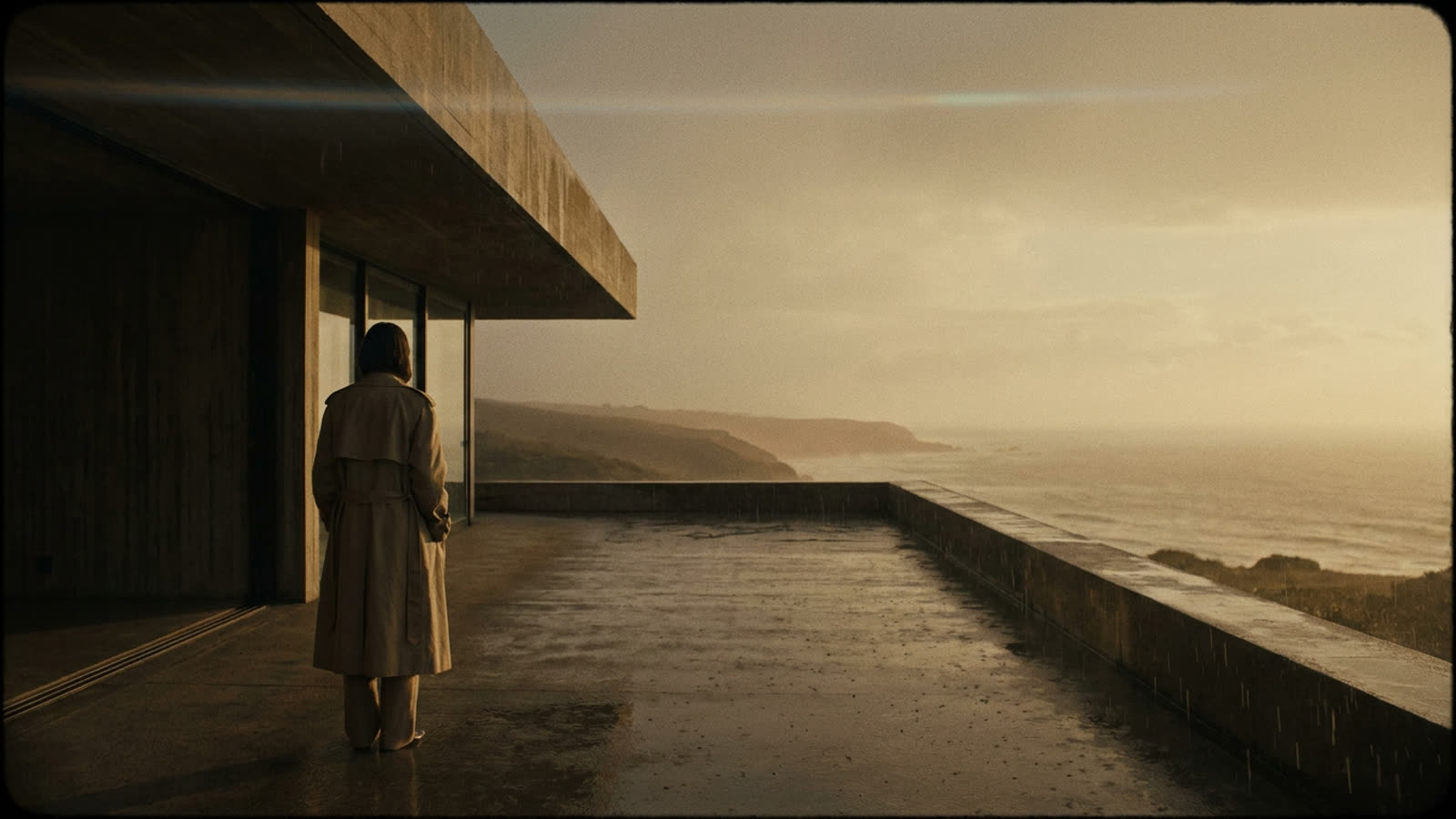
For most of human history, leisure was the defining privilege of the elite. Aristocrats demonstrated their status not through industry but through its conspicuous absence — hunting, philosophizing, hosting salons that stretched languidly into the small hours. Then capitalism inverted the equation. Busyness became the new badge of importance. The richer you were, the more packed your schedule, the more you complained about having no time. Now the pendulum is swinging back, and the wealthy are rediscovering what their great-great-grandparents knew: doing nothing well is an art form, and it's prohibitively expensive.
The shift is visible everywhere once you start looking. Wellness retreats that promise "digital detox" charge thousands of dollars for the privilege of boredom. Luxury hotels compete not on amenities but on the promise of unstructured time — no activities schedule, no concierge pushing excursions, just a hammock and the implicit permission to lie in it. The waiting lists for silent meditation retreats have grown longer even as the retreats themselves have grown quieter.
The economics of empty time
Idleness, it turns out, requires substantial infrastructure. To do nothing, you must first have arranged everything. The bills must be paid, the children supervised, the emails answered by someone. This is why true leisure has always been a class marker: it demands either inherited wealth or an army of people handling the friction of daily existence. The new idleness economy has simply made this transaction more explicit. You can now pay for a life manager, a household coordinator, a "chief of staff" for your personal affairs. What you're really buying is the absence of decisions.
The philosopher Bertrand Russell argued in his 1932 essay "In Praise of Idleness" that a four-hour workday would be sufficient for society's needs, and the rest of our time should be devoted to leisure and contemplation. He was writing during the Depression, when such ideas seemed utopian. Nearly a century later, technology has delivered productivity gains beyond Russell's imagination, yet most people work longer hours than ever. The difference is that a small class has begun to opt out — not through retirement, but through the deliberate cultivation of unproductive time.
The aesthetics of absence
This new idleness has its own visual language. Where the busy executive once signaled importance through a packed calendar visible on a phone screen, the idle sophisticate signals through its opposite: a watch with no smart features, a phone left in another room, a diary with white space. The "quiet luxury" trend in fashion — muted colors, no visible logos, clothes that whisper rather than shout — extends naturally to time itself. A quiet schedule is the ultimate quiet luxury.
There is something genuinely countercultural about this, even if it is a counterculture available only to those who can afford it. In an attention economy that profits from engagement, choosing disengagement is a minor act of rebellion. The tech executives who send their children to screen-free schools, the founders who take months-long sabbaticals, the consultants who pay for "focus retreats" — all are acknowledging that the system they built or benefit from is not one they wish to live inside.
Our take
The new idleness is real, but let's not romanticize it. When doing nothing becomes another form of consumption, another experience to be optimized and Instagrammed (even ironically), it loses the very quality that makes it valuable. True leisure is not a product. It cannot be purchased at a retreat or achieved through a life manager. It requires only the internal permission to be unproductive — a permission that costs nothing and remains, for most people, impossibly expensive. The rich have always been able to buy time. What's new is that they've finally remembered what it's for.