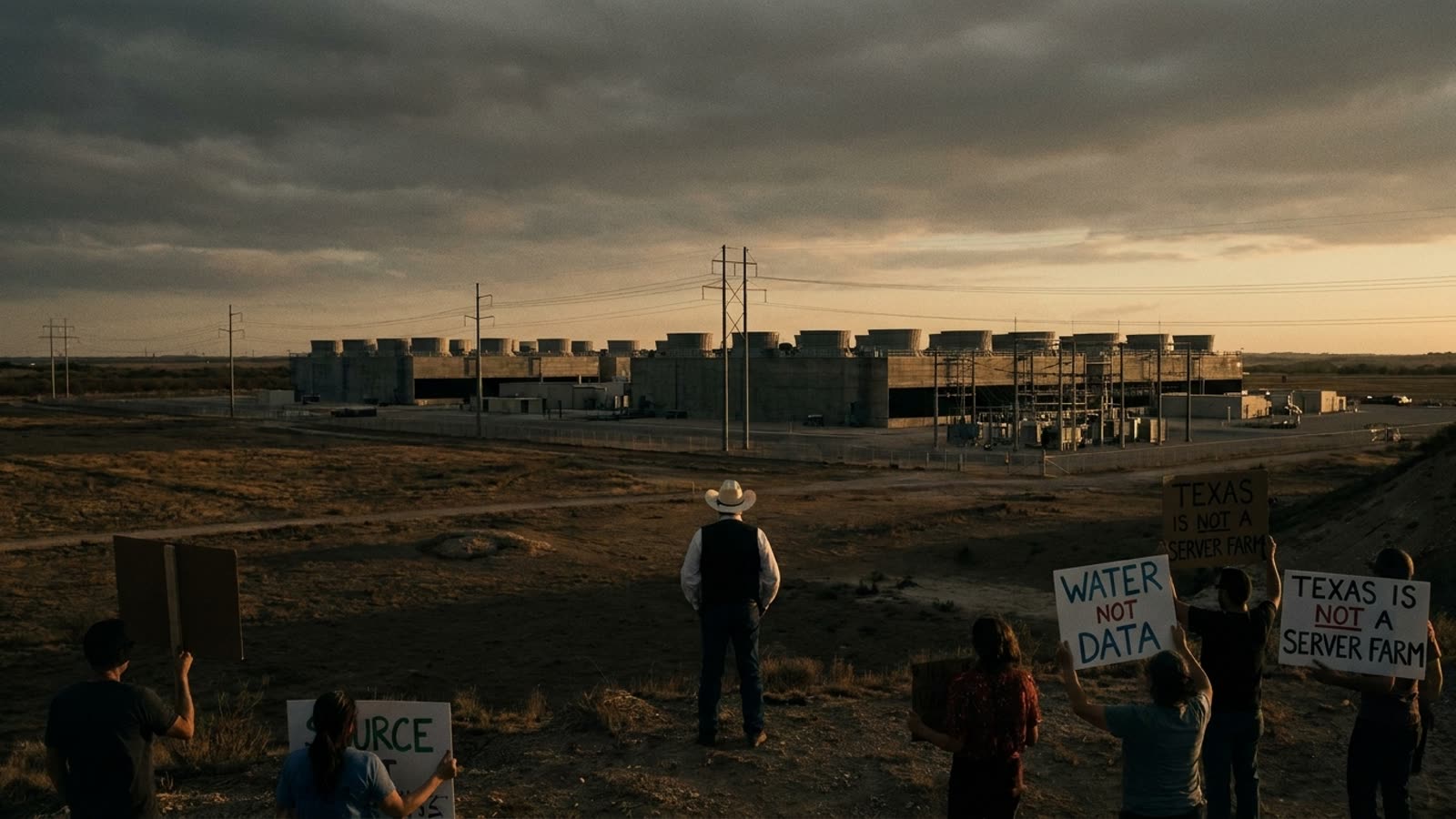
The state that never met a business it wouldn't court is discovering that some suitors drain more than they contribute. Across the Austin suburbs and beyond, Texans are organizing against the data center boom with a fervor typically reserved for property tax protests and high school football rivalries.
Gary Bledsoe, president of the Texas NAACP, can recite the opposition campaigns like a litany: Taylor, Hutto, Bastrop, and a growing list of communities where residents have shown up to zoning meetings, circulated petitions, and pressured local officials to reject or restrict data center development. The pattern is consistent—developers promise jobs and tax revenue, locals counter with concerns about water consumption, electricity strain, and the industrial transformation of residential areas.
The power problem
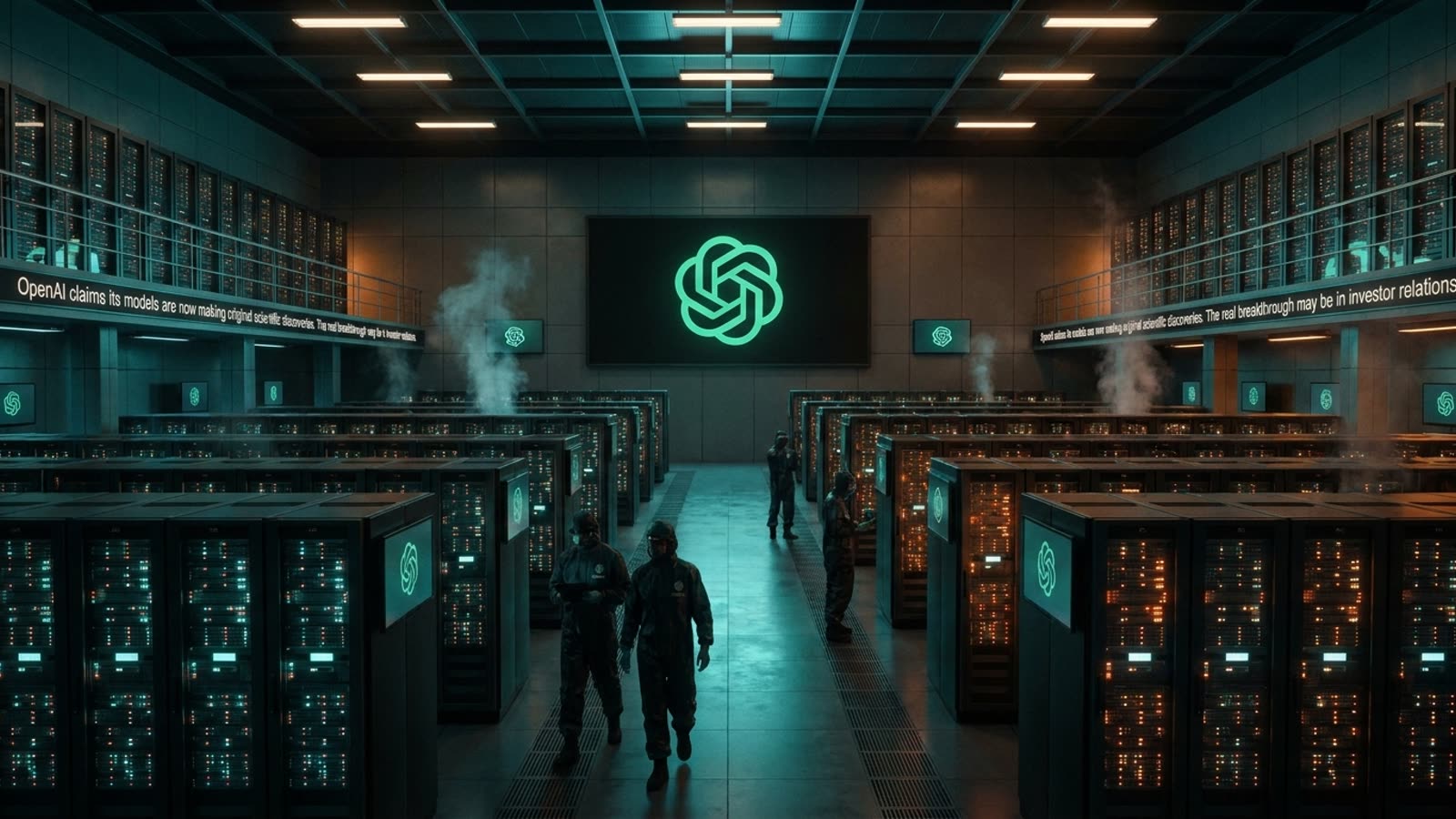
Texas's notoriously independent electrical grid, ERCOT, is already prone to dramatic failures during extreme weather. Data centers—particularly those serving AI workloads—are electricity gluttons of the first order. A single large facility can consume as much power as a small city, running around the clock regardless of whether Texans are being asked to turn off their air conditioning during a summer heat wave.
The math is uncomfortable. Texas has positioned itself as the natural home for AI infrastructure, with cheap land, business-friendly regulations, and no state income tax. But the grid that barely survived Winter Storm Uri cannot simply absorb unlimited demand from facilities that generate few permanent jobs relative to their footprint.
Water and neighbors
Beyond electricity, data centers require substantial water for cooling—a sensitive topic in a state where drought is a recurring fact of life. Communities that already ration lawn watering are understandably skeptical of facilities that evaporate millions of gallons annually.
Then there is the aesthetic and social dimension. These are not factories that employ hundreds of local workers; they are vast, humming warehouses staffed by skeleton crews, often surrounded by security fencing. Neighbors gain little beyond construction-phase traffic and the knowledge that their property now abuts critical infrastructure for companies headquartered elsewhere.
The political calculus shifts
For decades, Texas politicians competed to offer the most generous incentives to corporate relocators. The data center backlash suggests a limit to that hospitality, at least at the local level. When residents in reliably conservative suburbs start sounding like environmental activists, elected officials notice.
Some municipalities are now imposing moratoriums or demanding impact studies before approving new facilities. State legislators have begun discussing whether data centers should receive the same tax abatements as manufacturing plants that employ far more people per acre.
Our take
Texas sold itself as the place where you could build anything, fast, without bureaucratic interference. The AI boom is testing that proposition. Data centers represent the purest form of extractive infrastructure—they take power and water, employ few, and serve distant masters. That Texans are pushing back does not mean the state will lose its tech ambitions, but it does mean the era of frictionless expansion is ending. The companies that adapt—investing in on-site generation, waterless cooling, and genuine community benefits—will still find a home. The rest may discover that even Texas has limits.