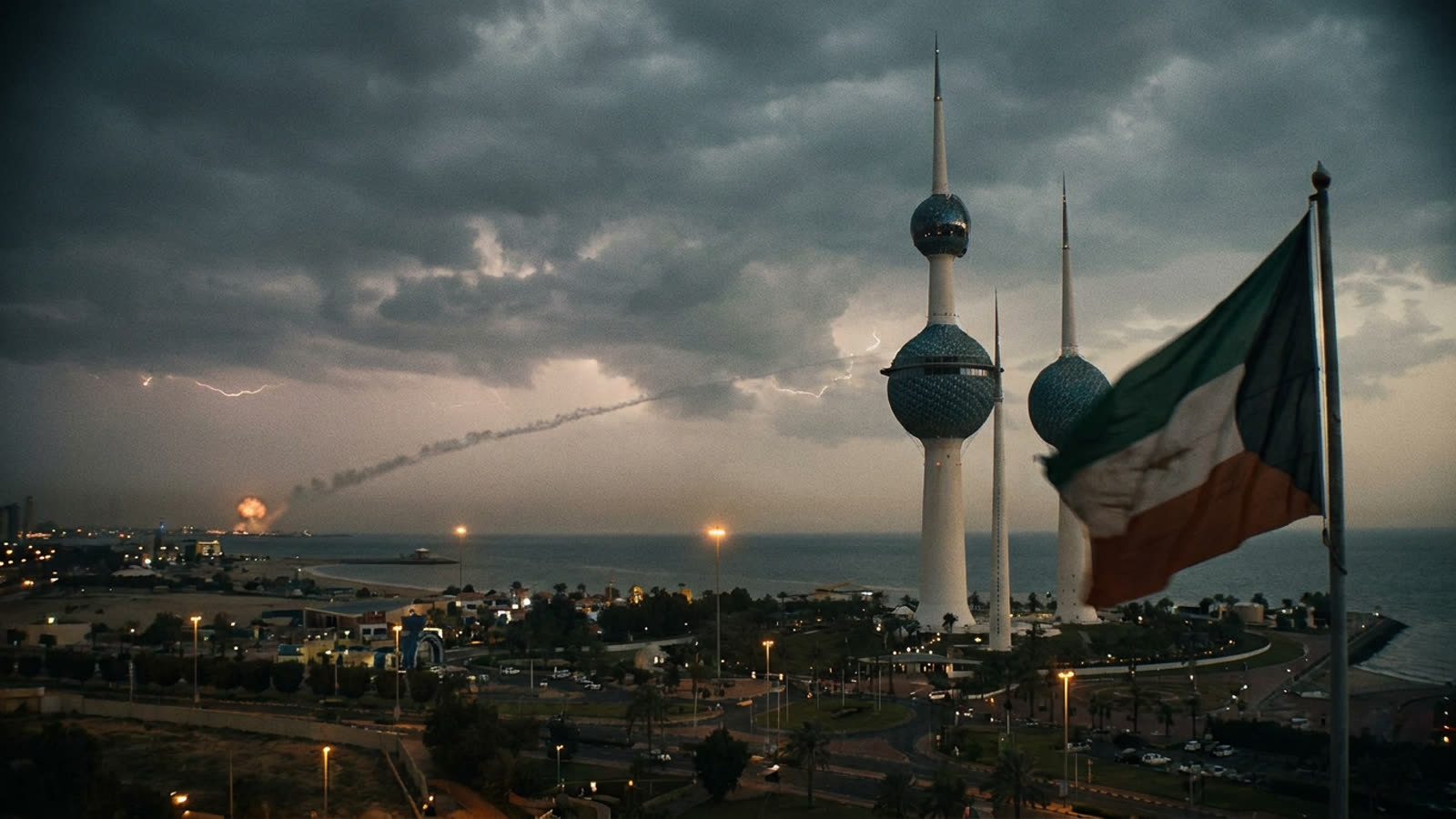
For two decades, Kuwait has performed the most delicate of diplomatic balancing acts: hosting American military bases while maintaining cordial relations with Tehran, threading the needle between its security guarantor and its powerful neighbor across the water. That equilibrium shattered when Iran launched a missile toward Kuwaiti territory, crossing a line that transforms the current U.S.-Iran confrontation from a bilateral exchange into something far more dangerous.
The strike—reportedly intercepted before reaching its target—represents a strategic miscalculation of historic proportions, or a deliberate attempt to widen the conflict in ways that could ultimately benefit Tehran.
The neutrality premium
Kuwait's value to regional stability has always exceeded its modest size. The emirate hosts Camp Arifjan, one of America's largest military installations in the Middle East, yet has consistently maintained diplomatic channels with Iran that other Gulf states abandoned. This positioning made Kuwait an essential back-channel during previous escalations, a role it played during the 2019-2020 tensions and again during nuclear negotiations.
By targeting Kuwait directly, Tehran has eliminated one of the few remaining neutral parties capable of facilitating de-escalation. The move suggests either desperation within Iran's military establishment or a calculated bet that widening the conflict will complicate American decision-making.
The GCC fracture lines
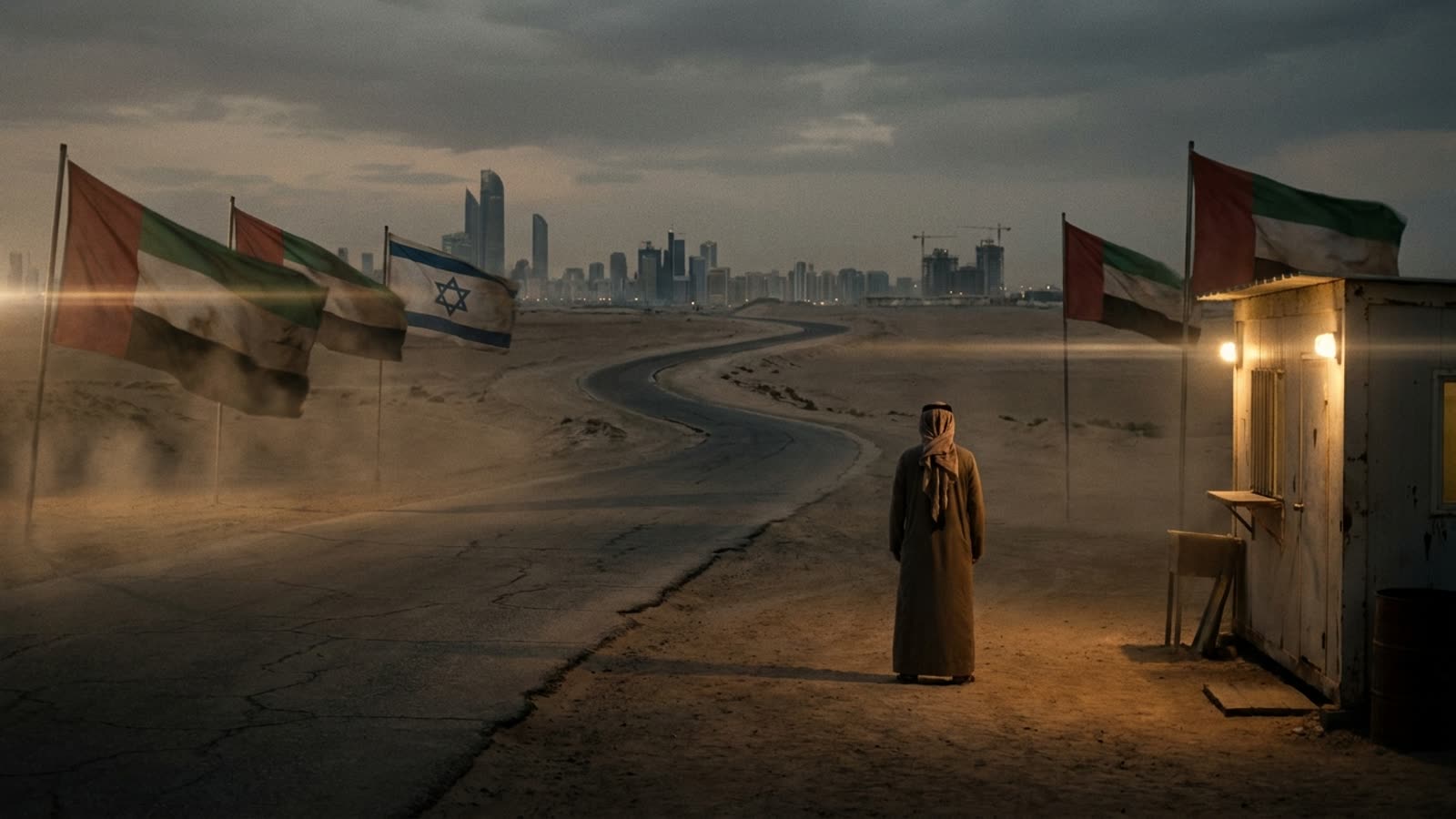
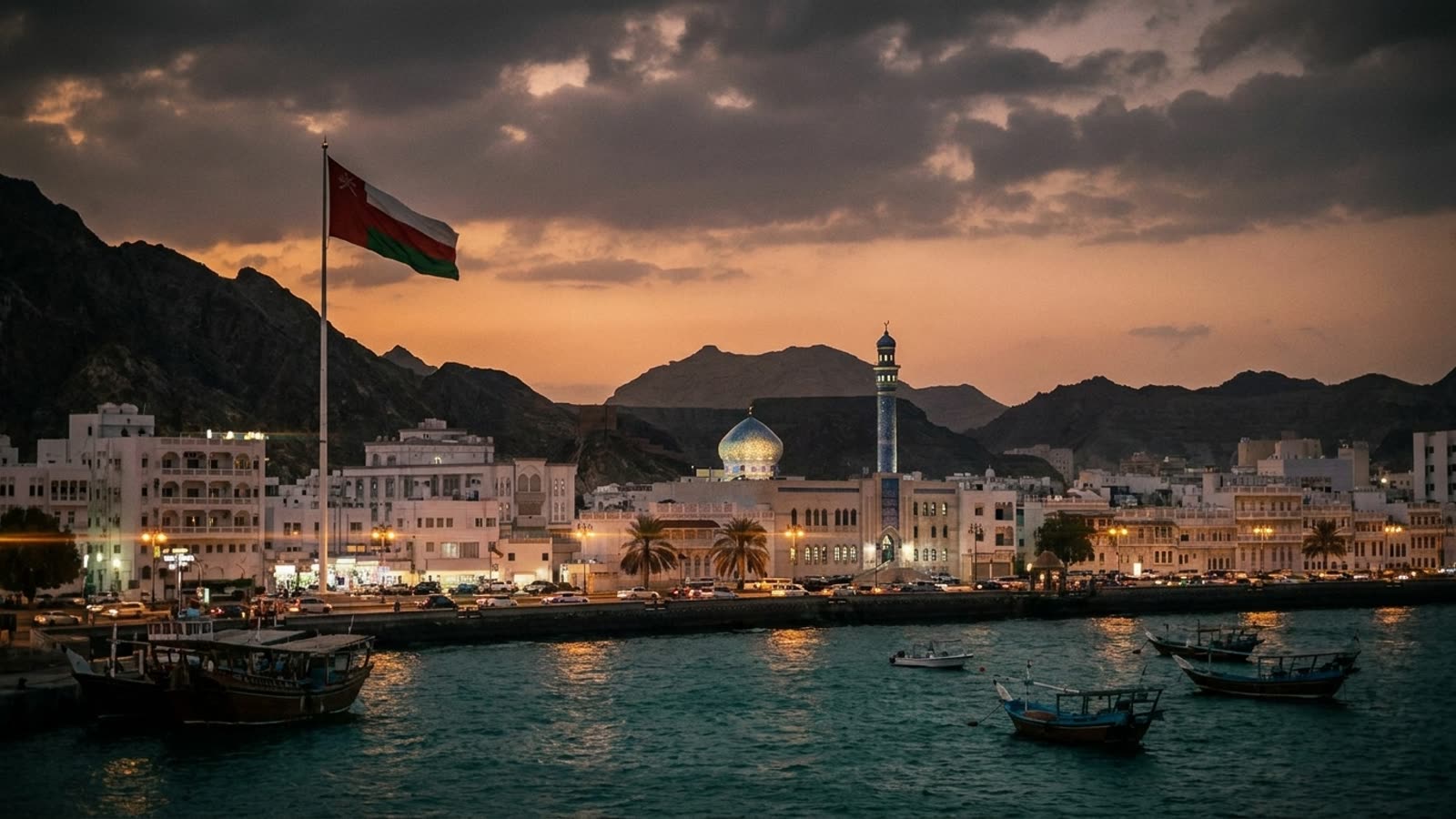
The Gulf Cooperation Council's response will prove telling. Saudi Arabia and the UAE have already been drawn closer to Washington through the Abraham Accords framework and subsequent security arrangements. Qatar, which hosts Al Udeid Air Base while maintaining its own Iranian ties, now faces an impossible choice. Oman—already threatened by Trump earlier this week—may find its traditional mediator role similarly compromised.
What emerges is a Gulf region where the middle ground has collapsed. States must now choose sides in ways they have spent billions in diplomatic capital avoiding.
The Israeli dimension
The simultaneous Israeli strike on Hezbollah positions in Beirut adds another variable to an already chaotic equation. Whether coordinated with Washington or opportunistically timed, the attack ensures that Iran faces pressure on multiple fronts. Tehran's decision to strike Kuwait rather than American assets directly may reflect an attempt to impose costs on the U.S. alliance structure without triggering the most severe American responses.
Our take
Iran has made a profound strategic error. Attacking a neutral Gulf state does not demonstrate strength—it demonstrates that Tehran has run out of options that don't involve alienating potential interlocutors. Kuwait will now have no choice but to deepen its security integration with Washington, and fence-sitting Gulf capitals will face intense pressure to follow. The missile may have been intercepted, but the damage to Iran's regional position will prove far more lasting than any crater could have been.