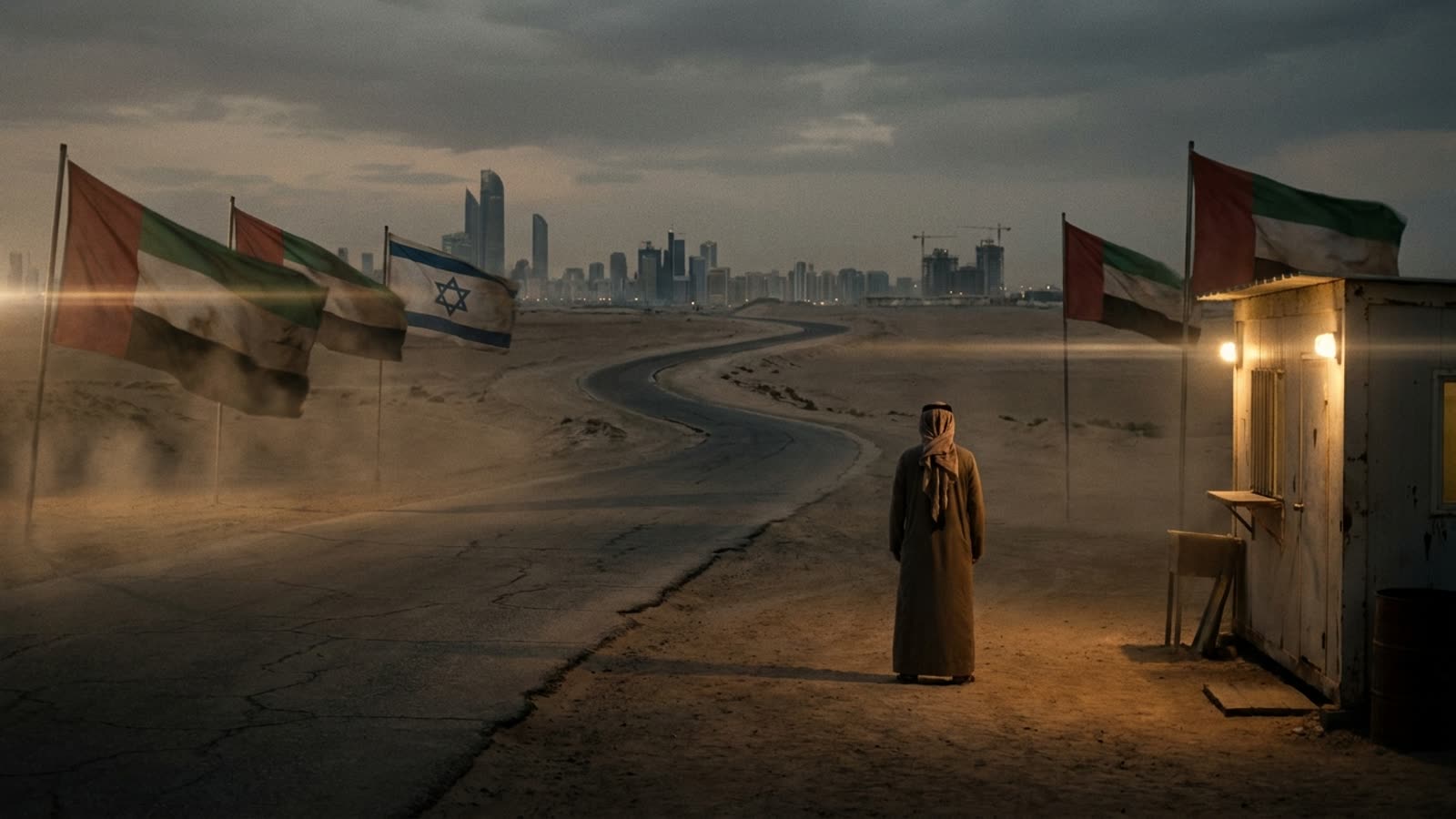
The Abraham Accords were supposed to be the template: transactional diplomacy that swapped fighter jets and investment for diplomatic recognition, bypassing the Palestinian question entirely. When Donald Trump returned to the White House, he assumed he could simply pick up where he left off, pressing Saudi Arabia, Qatar, and other Gulf states to formalize ties with Israel as the centerpiece of a broader Middle East settlement. The region's response has been a collective shrug—or worse, open skepticism.
That reaction reflects a fundamental misreading of how the geopolitical landscape has shifted. The Gaza war that began in late 2023 and its grinding aftermath have made normalization politically untenable for Arab leaders who must answer to domestic audiences. Crown Prince Mohammed bin Salman, once the most eager potential signatory, now conditions any deal on a credible pathway to Palestinian statehood—a demand Israel's current government cannot meet. Even the UAE, which signed the Accords in 2020, has quietly distanced itself from the framework, declining to host Israeli officials and suspending some joint ventures.
Why the leverage evaporated
Trump's negotiating position rests on the assumption that Gulf states need Washington more than Washington needs them. That calculus looked plausible in 2020, when oil prices were depressed and Iran's regional proxies seemed contained. Today, Riyadh and Abu Dhabi have diversified their security relationships—courting Beijing, hedging with Moscow, and building indigenous defense industries. The urgency to trade recognition for American protection has faded.
Israel's own conduct has compounded the problem. The humanitarian toll in Gaza, the expansion of West Bank settlements, and the rhetoric of ministers who openly advocate annexation have made normalization a liability for any Arab leader seen as too close to Jerusalem. Public opinion polling across the Gulf shows support for Palestinian statehood at multi-decade highs.
The diplomatic vacuum
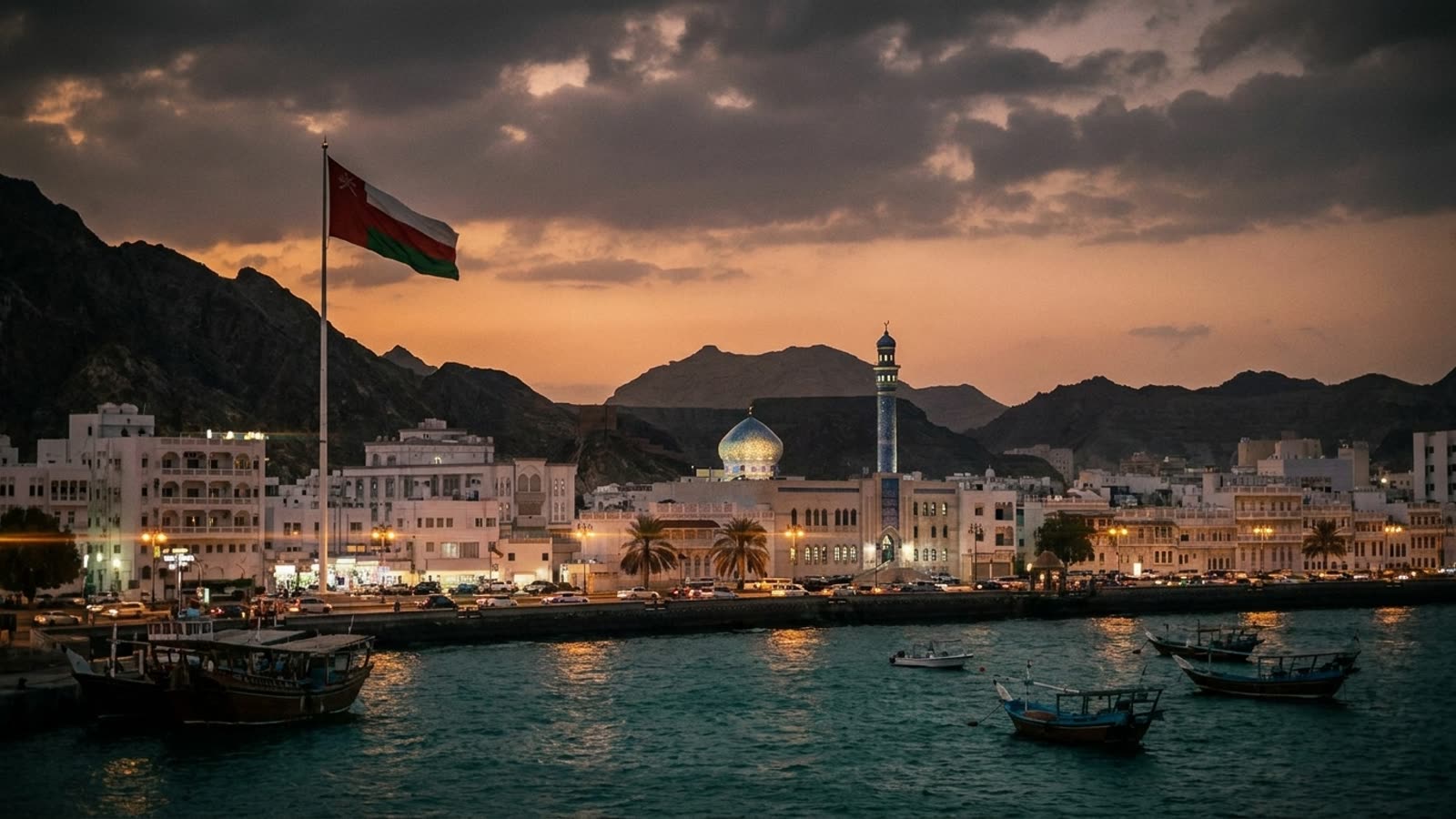
Washington's Middle East team has offered few creative alternatives. The administration's public statements oscillate between threatening adversaries like Iran and Oman and cajoling allies with arms packages, but there is no visible architecture for a regional settlement that addresses Palestinian aspirations. European diplomats describe American envoys as "out of sync" with the post-Gaza mood, still pitching a 2020 product to a 2026 audience.
China has quietly filled some of the vacuum, brokering the Saudi-Iran rapprochement in 2023 and positioning itself as a neutral party willing to engage all sides. Beijing's interest is primarily commercial—securing energy supplies and Belt and Road contracts—but its willingness to talk to everyone has earned it a hearing that Washington increasingly lacks.
Our take
The Abraham Accords were always more fragile than their champions admitted, built on the convenient fiction that economic incentives could indefinitely substitute for political legitimacy. The past three years have stress-tested that proposition and found it wanting. Trump's insistence on replaying the 2020 playbook suggests either a failure of imagination or a belief that bluster can substitute for strategy. Neither inspires confidence. The Middle East is not waiting for American permission to chart its own course—and the longer Washington pretends otherwise, the less relevant it becomes.