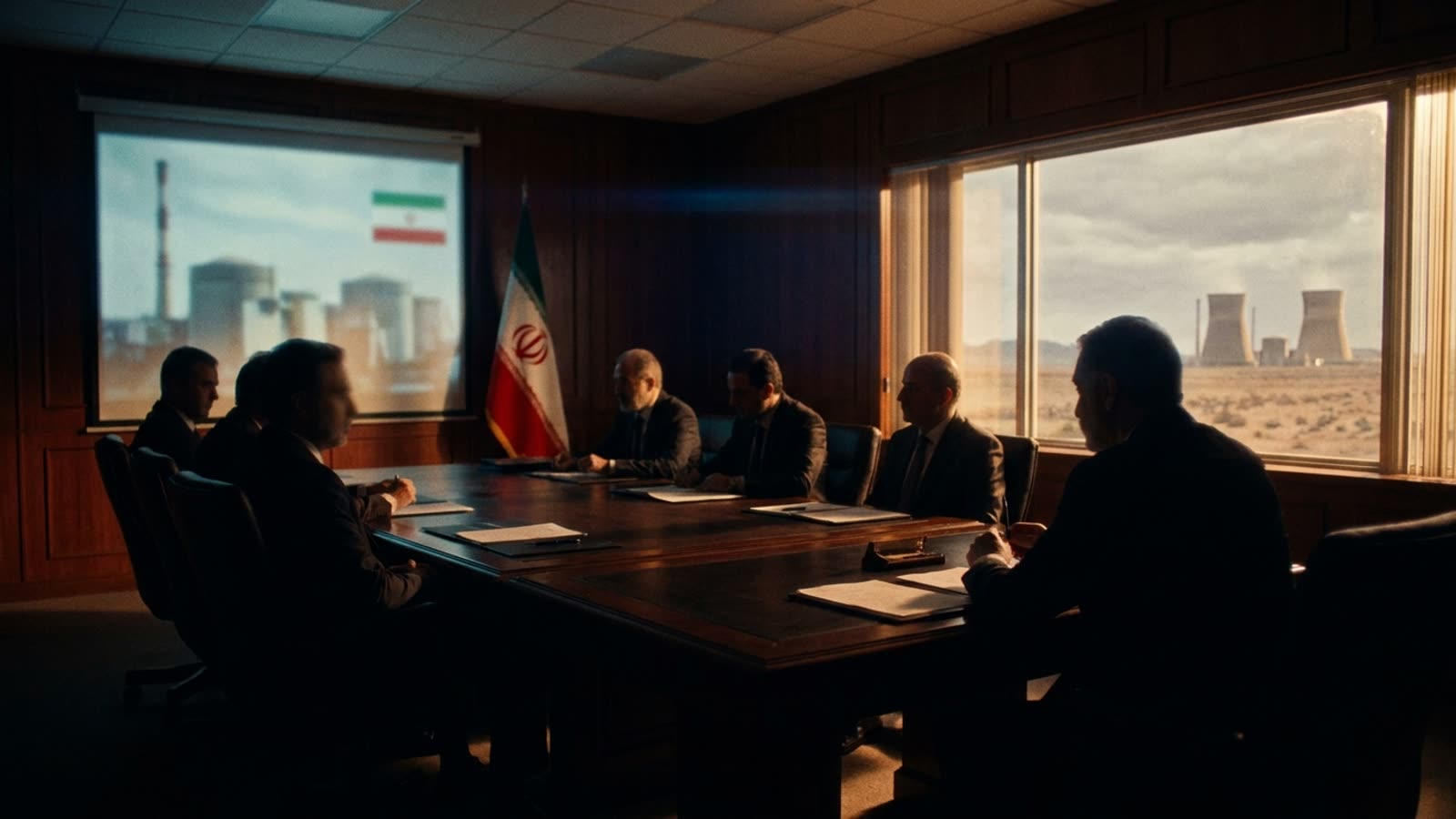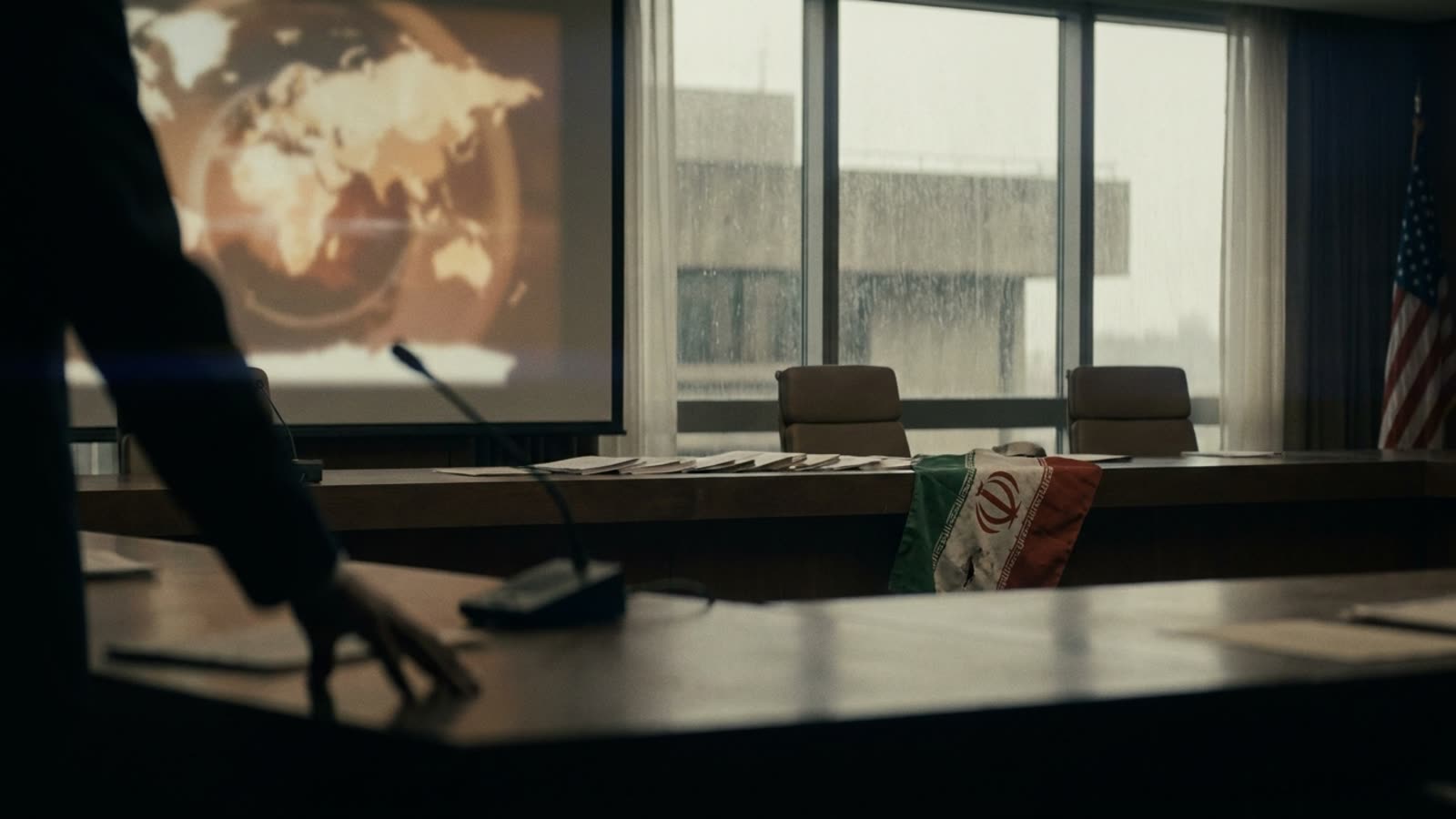
The Islamic Republic is not typically a reliable narrator of international affairs, but when Tehran's foreign ministry spokesman declared this week that "the main problem in ceasefire negotiations is America's changing and contradictory positions," he landed on something uncomfortably close to the truth. One hundred days into a conflict that nobody in Washington seems able to define, the United States has managed the remarkable feat of making the Iranian regime look like the reasonable party at the bargaining table.
The accusation—delivered with the weary exasperation of a diplomat who has watched the goalposts move one too many times—came as multiple channels of negotiation appear to be fraying simultaneously. Iranian officials have catalogued what they describe as "so many changing positions" from American interlocutors, a complaint that tracks with reporting from European intermediaries who have privately expressed similar frustrations.
The coherence problem
President Trump's insistence that he has "no plans to withdraw troops involved in Iran war" sits awkwardly beside his administration's repeated claims of imminent diplomatic breakthroughs. The dissonance is not merely rhetorical. Military commanders in the Gulf are operating under one set of assumptions while State Department envoys pursue another, and the National Security Council appears to be running a third track entirely. Tehran, whatever its many faults, has noticed.
The problem is structural rather than personal. American war-making has always been easier to initiate than to conclude, but the current conflict suffers from a more fundamental ailment: nobody in Washington has articulated what victory would look like, which means nobody can define what concessions would be sufficient to achieve it. Iranian negotiators, accustomed to dealing with adversaries who at least know what they want, find themselves across the table from a superpower that cannot answer the basic question of its own objectives.
The hundred-day mark
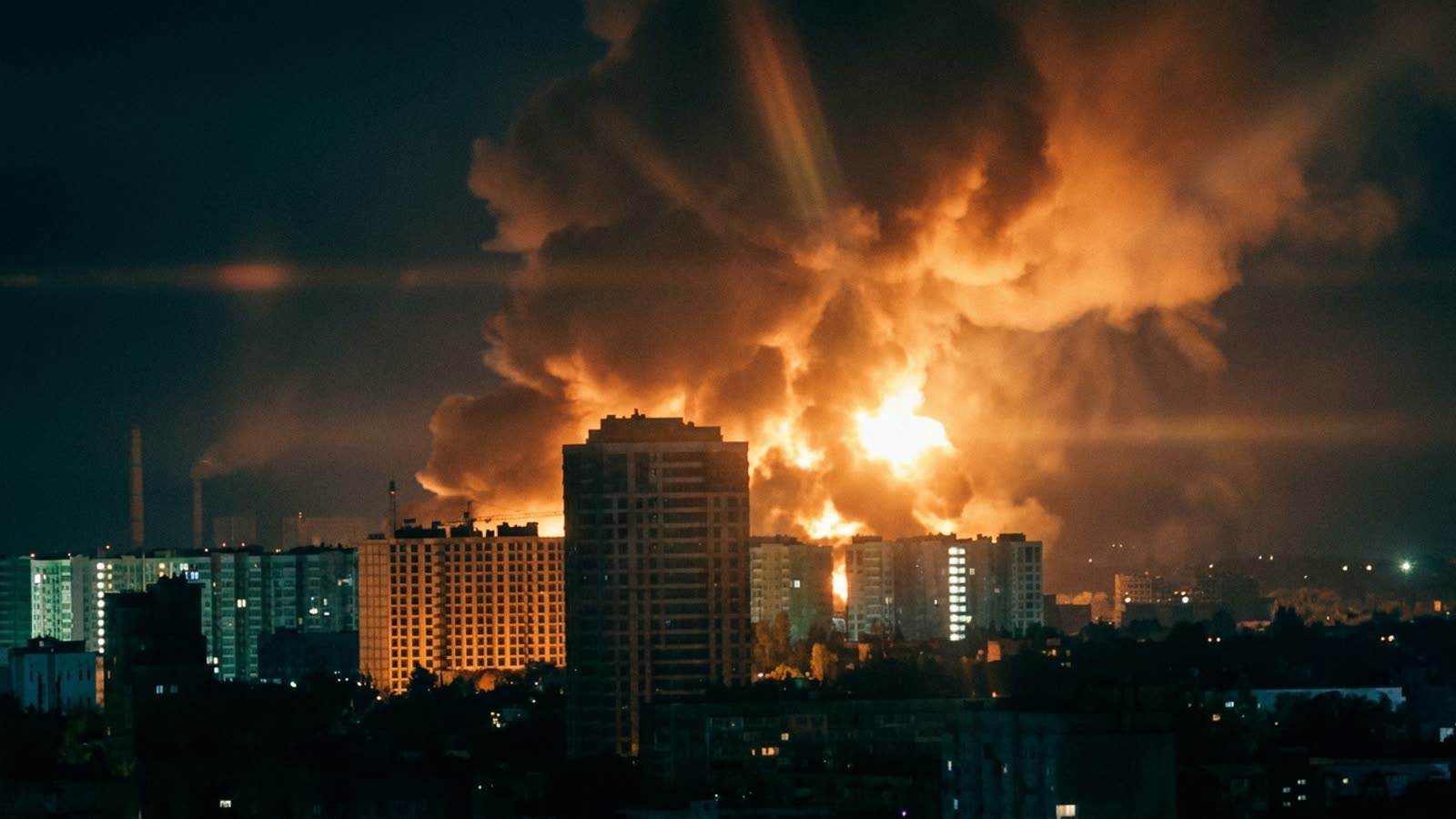
Military analysts marking the conflict's centenary have produced assessments that read like report cards for a student who shows flashes of brilliance but cannot focus. American air power has demonstrated its usual devastating effectiveness; Iranian infrastructure has absorbed punishing blows. Yet the strategic picture remains murky. Iran's nuclear program—the ostensible casus belli—continues to operate in some capacity, its precise status a matter of competing intelligence assessments. The regime in Tehran is wounded but intact, its grip on power possibly strengthened by the rally-round-the-flag dynamics that war reliably produces.
Meanwhile, the human costs accumulate on both sides, though the accounting remains contested and incomplete. Regional allies who signed on expecting a swift campaign now find themselves managing domestic populations increasingly skeptical of open-ended American military adventures.
Our take
There is something darkly comic about the world's most powerful military being outmaneuvered in the information war by a theocratic regime with a fraction of its resources. Tehran's complaint about American incoherence is, of course, partly performative—a negotiating tactic designed to shift blame and buy time. But it works because it contains enough truth to be credible. The United States can afford to be stronger than Iran; it cannot afford to be less coherent. At day 100, the administration needs to decide what it actually wants from this war, communicate that clearly to allies and adversaries alike, and then pursue it with the discipline that great-power statecraft demands. The alternative is a conflict that drifts indefinitely, consuming blood and treasure in service of objectives that remain forever just out of focus.