Five years after a mob stormed the Capitol, the question is no longer whether January 6 was an insurrection—it is whether the insurrectionists deserve taxpayer money for their trouble.
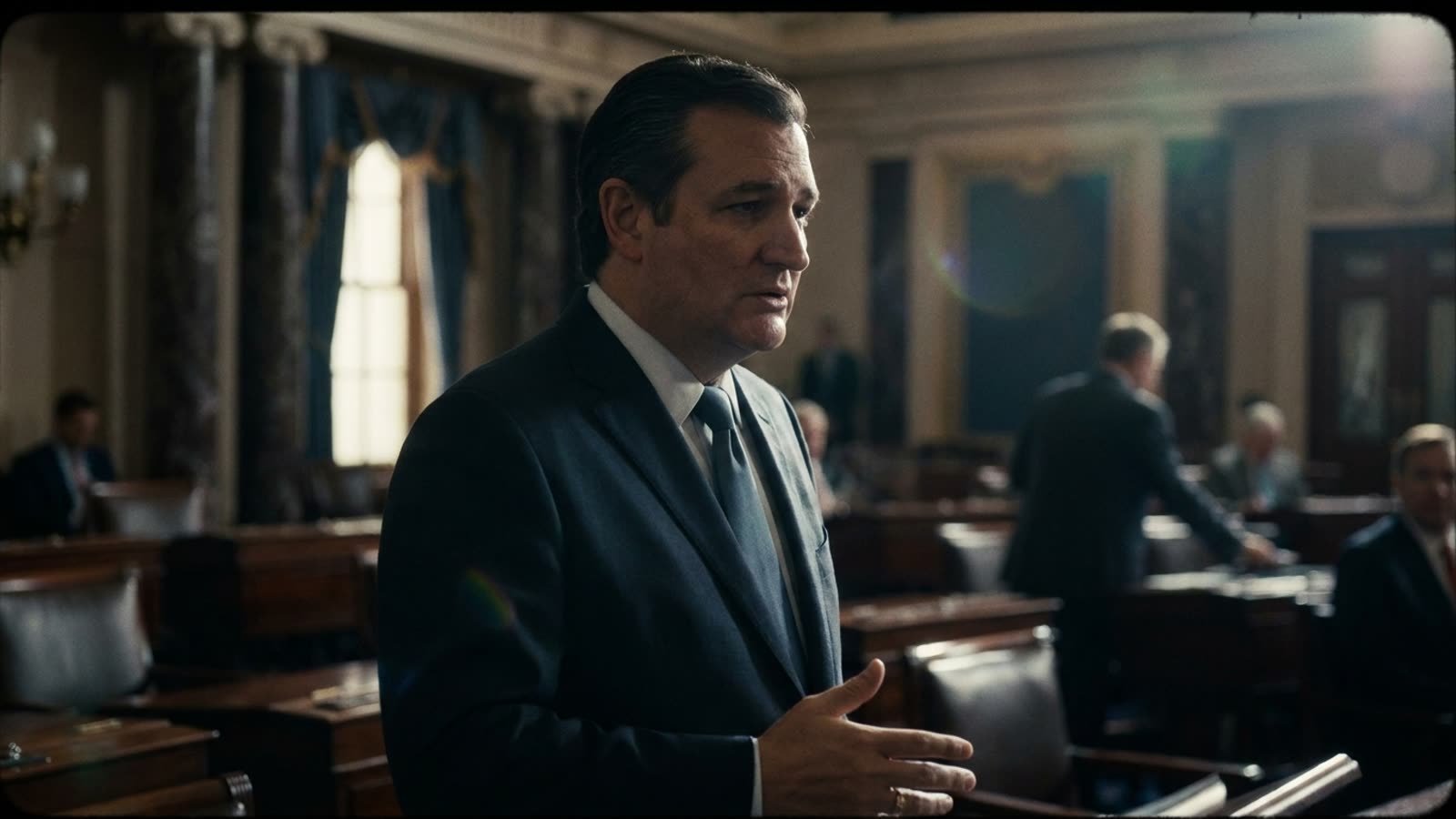
Senator Ted Cruz of Texas found himself in a confrontation on the Senate floor this week over a proposal to compensate individuals convicted of violent offenses during the Capitol riot. The argument, captured in clips circulating widely, showcased Cruz defending the measure against colleagues who characterized it as rewarding domestic terrorism. Cruz's position: that many January 6 defendants were victims of prosecutorial overreach and deserve financial redress now that the political winds have shifted.
The compensation question
The debate centers on whether individuals pardoned or granted clemency by President Trump—including those convicted of assaulting police officers—should receive back pay, legal fee reimbursement, or other financial settlements from the federal government. Proponents frame this as correcting injustices; opponents call it a grotesque use of public funds to reward violence against the state. Cruz argued that the prosecutions were politically motivated, a claim that conveniently elides the hundreds of hours of video evidence, guilty pleas, and jury convictions that preceded any clemency decisions.
The revisionist project, complete
What makes this moment notable is not Cruz's position—he has been a reliable Trump ally—but the casualness with which the argument is now made. In 2021, even Republicans who voted against impeachment acknowledged the violence of the day. By 2026, the party's mainstream position has migrated from "a dark day" to "a setup" to "these people deserve checks." The Overton window did not shift; it was shoved through a plate-glass door.
The heated exchange also illustrates the bind facing Republicans who privately find the compensation idea distasteful but publicly cannot afford to cross a base that views January 6 defendants as political prisoners. Cruz, who once called Trump "utterly amoral" before becoming one of his most reliable Senate allies, understands this arithmetic better than most.
Our take
Compensating people convicted of beating police officers with flagpoles is not a legal gray area; it is a policy choice that says violence in service of the right outcome is forgivable, even rewardable. Cruz knows this. His willingness to defend the indefensible on camera is not conviction—it is calculation. The Republican Party's January 6 revisionism has moved from denial to celebration, and the Senate floor has become its stage.