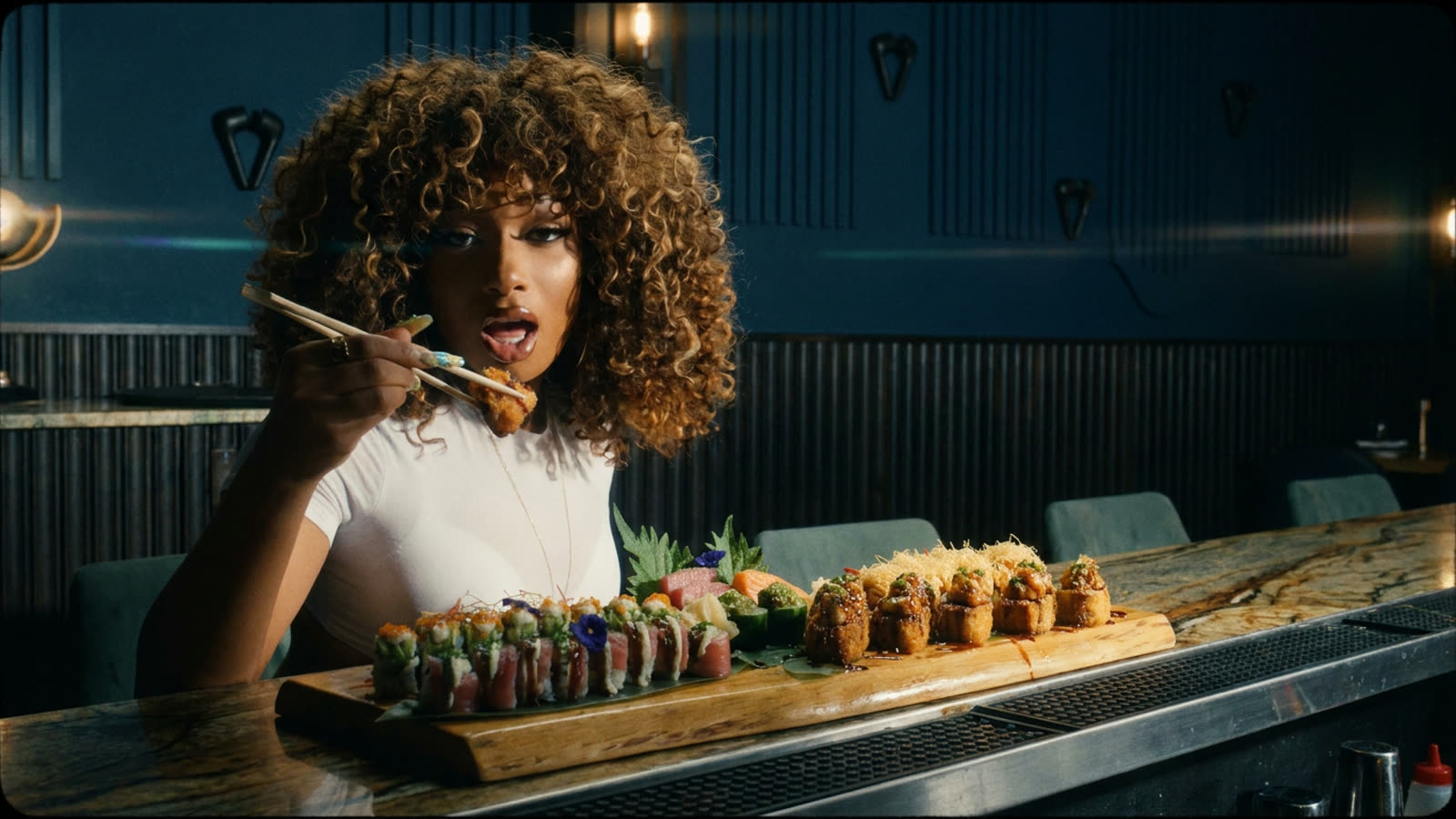
There is no more reliable paparazzi shot than a celebrity exiting a sushi restaurant. The cuisine has become so synonymous with famous people eating in public that we now have an entire holiday—National Sushi Day—dedicated to cataloguing their devotion. The question worth asking is not whether stars love sushi, but why this particular food became the universal signal for "I am wealthy, health-conscious, and cosmopolitan."
The perfect celebrity food
Sushi solves several problems that plague famous people at mealtimes. It photographs well, suggesting refinement without excess. It carries no religious or ethical landmines—no red meat debates, no dairy controversies. The portion sizes are inherently modest, allowing celebrities to be seen eating without appearing to eat too much. And crucially, high-end omakase requires reservations that filter out civilians, creating natural privacy through economic exclusion.
The cuisine's rise in Hollywood tracks almost perfectly with the tabloid era's intensification. As paparazzi culture exploded in the early 2000s, sushi offered a dining experience that was both visible enough to generate content and controlled enough to avoid embarrassment. You cannot look undignified eating a piece of nigiri the way you might wrestling with spaghetti or a drippy burger.
Status signaling through restraint
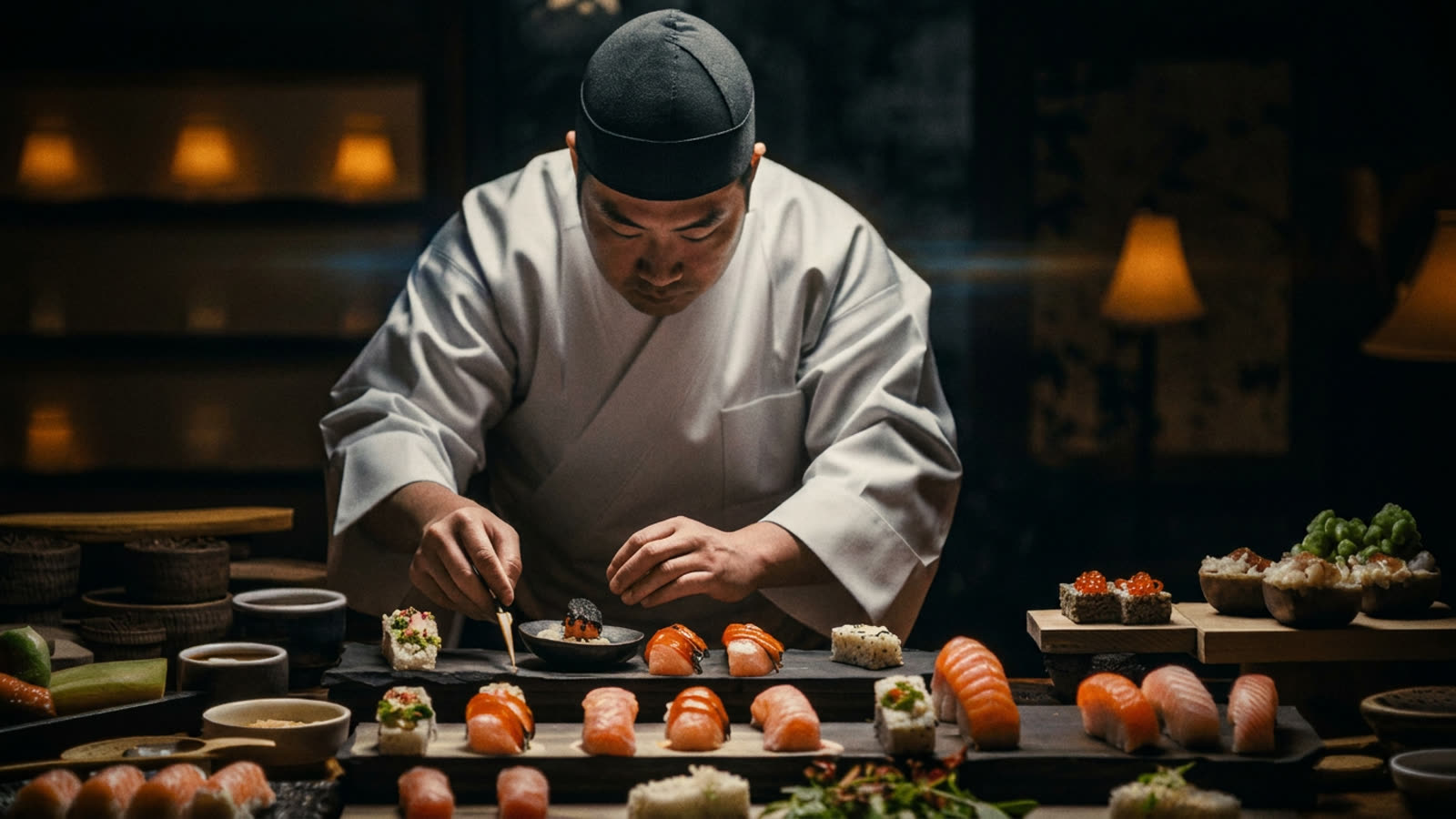
What makes sushi particularly interesting as a celebrity staple is how it inverts traditional displays of wealth. The most expensive sushi experiences involve eating less, not more—a few perfect pieces of fish rather than abundant portions. This aligns neatly with contemporary celebrity body politics, where thinness remains the dominant aesthetic and visible consumption is suspect.
The omakase format takes this further, removing even the appearance of choice. The celebrity surrenders to the chef's judgment, performing a kind of cultivated passivity that reads as sophistication rather than indecision. It is consumption as submission to expertise, which happens to be excellent personal branding.
Our take
National Sushi Day is a manufactured occasion, but the celebrity sushi industrial complex it celebrates is entirely real. The raw fish dinner has become what the power lunch once was—a ritualized performance of status disguised as sustenance. That so many famous people have independently arrived at the same culinary choice tells us less about their taste than about the narrow corridor of acceptable public behavior that fame now demands. The sushi restaurant is not where celebrities go to eat. It is where they go to be seen eating correctly.