The Supreme Court's decision to let the Trump administration terminate Temporary Protected Status for Syrians and Haitians is not merely a ruling about two immigrant populations. It is a constitutional green light for any president to unwind humanitarian protections at will, with minimal judicial interference.
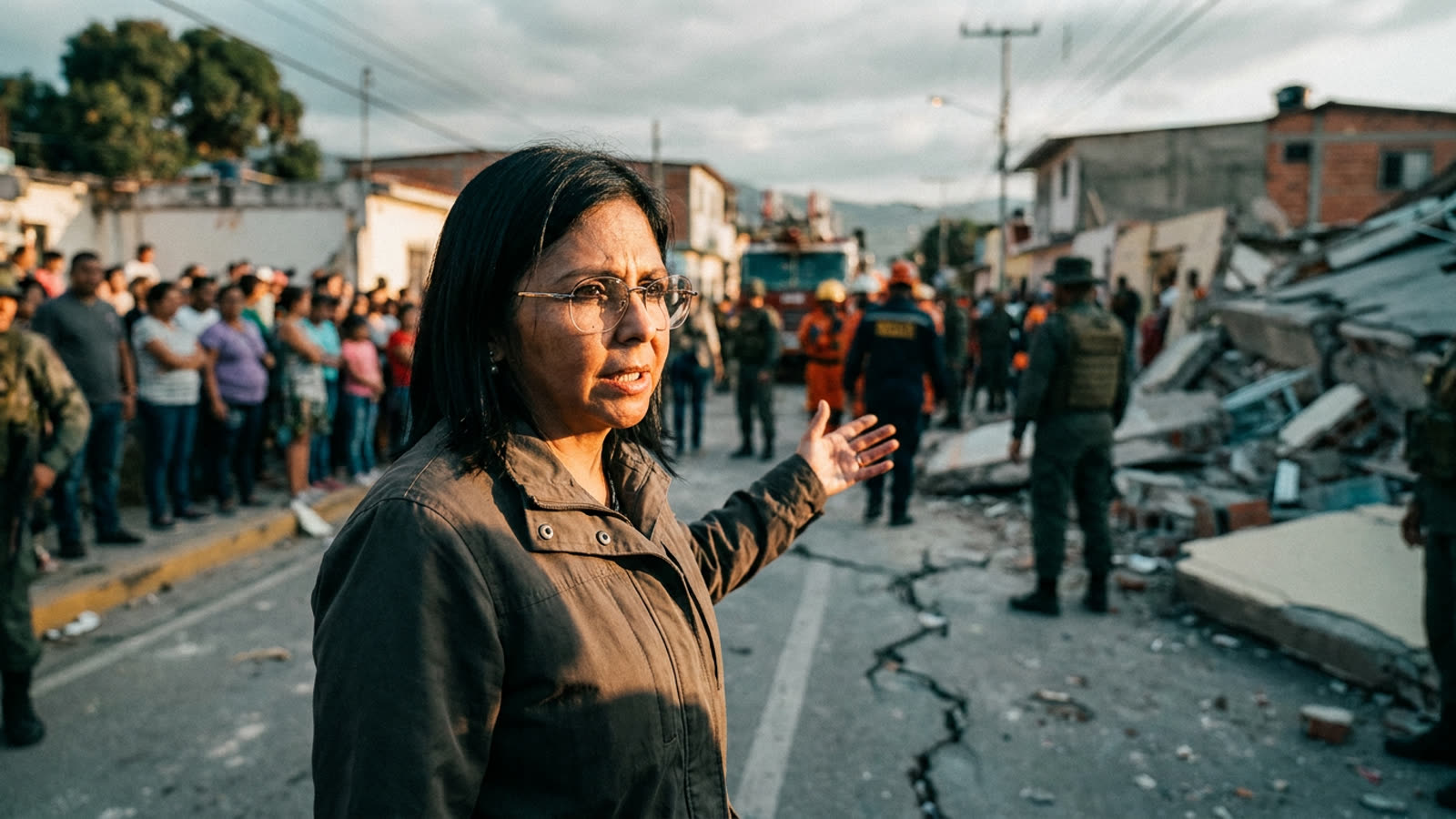
TPS has always occupied an awkward space in American immigration law—a status that sounds temporary but often becomes permanent by necessity, protecting people from countries too dangerous to return to. Syrians fleeing a civil war that has killed half a million people. Haitians escaping a nation where gangs control more territory than the government. The legal fiction was that they would go home when conditions improved. Conditions rarely improve.
The mechanics of executive discretion
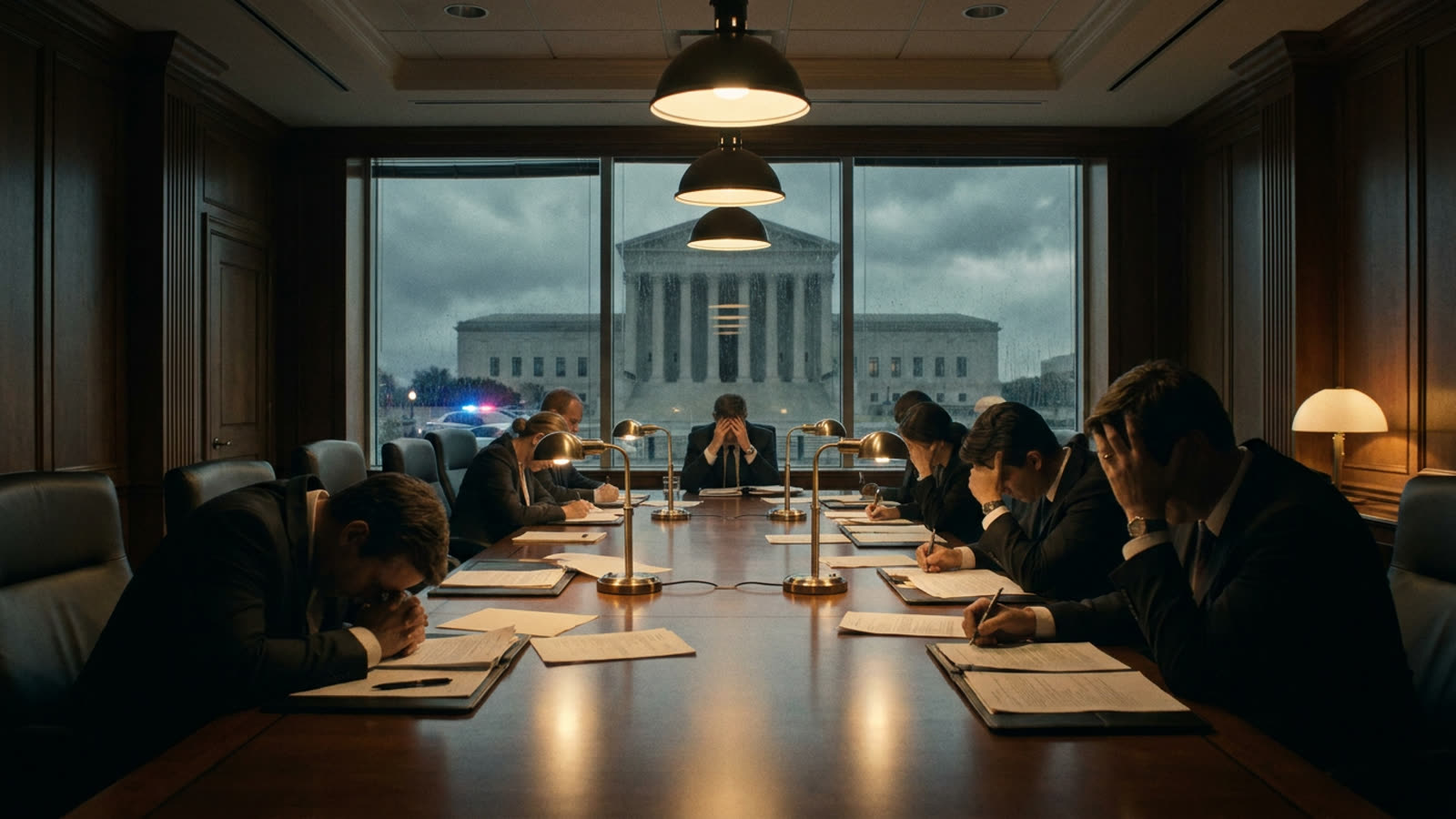
What makes this ruling significant is not the outcome—courts have generally deferred to executive branch immigration decisions—but the breadth of the reasoning. The Court declined to second-guess the administration's determination that Syria and Haiti are now safe enough for returns, despite overwhelming evidence to the contrary. It treated the TPS termination as a matter of prosecutorial discretion rather than a reviewable policy decision.
This creates a template. Future administrations can point to this precedent when ending protections for Venezuelans, Salvadorans, Nicaraguans, or any other TPS population. The judicial branch has effectively announced it will not be a meaningful check on such decisions.
The human arithmetic
The immediate impact falls on roughly 200,000 people who have built lives in the United States over years or decades. Many have American-born children. They own homes, run businesses, pay taxes. The administration has not announced a timeline for deportations, but the legal pathway to removal is now clear.
For Syria, the administration argues that the Assad regime's fall creates new stability. This ignores that post-Assad Syria remains a patchwork of competing militias, with no functioning central government and ongoing violence. For Haiti, the claim of improved conditions is even more difficult to sustain—the country's capital remains largely controlled by armed gangs, and the State Department still advises against all travel there.
Our take
The Court has made a choice about institutional roles: immigration policy belongs to the political branches, and judges will not intervene even when the factual basis for a decision appears threadbare. This is consistent with a long judicial tradition of deference on immigration, but it leaves humanitarian protections entirely dependent on presidential whim. The Syrians and Haitians losing their status today are collateral damage in a larger project of establishing that the executive's immigration authority is essentially unreviewable. That precedent will matter long after this particular controversy fades.