The 2026 midterm elections are still five months away, but the Supreme Court has already cast some of the most consequential ballots. Through a series of decisions on gerrymandering challenges, voter ID requirements, and election administration rules, the Roberts Court is systematically reshaping the electoral landscape in ways that will echo long after the justices have adjourned for summer recess.
The cumulative effect is striking: in the past eighteen months, the Court has declined to block partisan maps in three swing states, upheld stricter voter identification requirements in two others, and narrowed the window for challenging election procedures under the Voting Rights Act. Each ruling, taken individually, might seem procedural. Together, they constitute a quiet revolution in who gets to participate in American democracy.
The Redistricting Ripple Effect
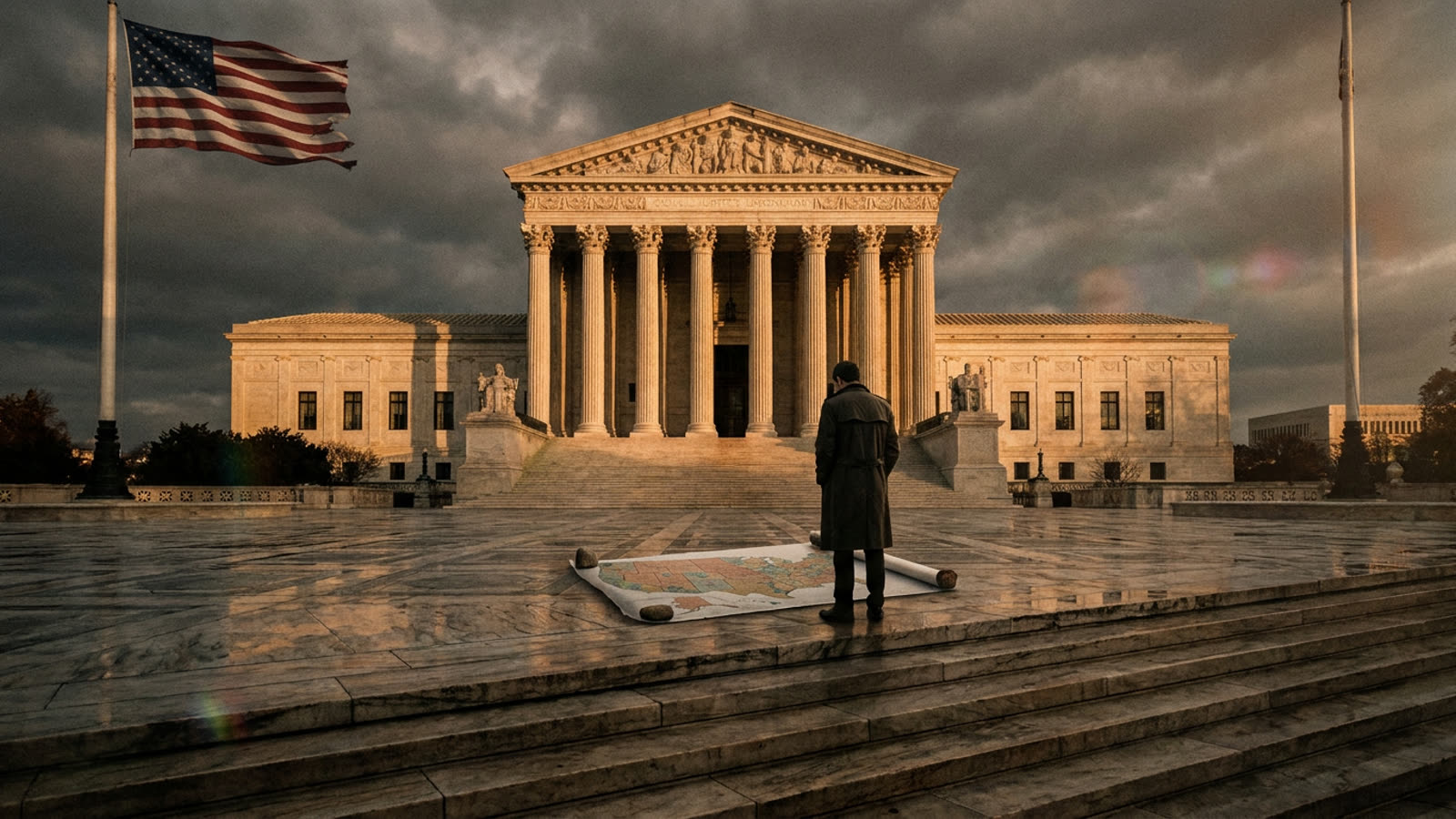
The Court's reluctance to intervene in partisan gerrymandering cases—a posture cemented in its 2019 Rucho v. Common Cause decision—continues to bear fruit for whichever party controls state legislatures. In states where Republicans drew the maps, Democratic voters find themselves packed into fewer districts; in the handful of states where Democrats wielded the pen, the reverse applies. The mathematical precision of modern gerrymandering means that in perhaps a third of House races, the primary is the only election that matters.
What's changed in 2026 is the Court's increasing willingness to expedite cases that might otherwise languish on the docket. Emergency applications that once took weeks now receive rulings in days, often through the shadow docket with minimal explanation. The effect is to freeze maps in place even when lower courts have found constitutional infirmities.
Ballot Access and the Bureaucratic Barrier
Beyond redistricting, the Court has blessed a new generation of ballot access restrictions. Strict signature-matching requirements, limits on mail-in voting, and reduced early voting windows have all survived judicial scrutiny under the Court's increasingly deferential standard for state election administration. The justices have repeatedly emphasized that states possess broad authority to regulate their own elections—a principle that sounds neutral but in practice advantages incumbents and well-resourced campaigns.
For voters in states with aggressive new rules, the burden falls hardest on those least equipped to navigate bureaucratic hurdles: shift workers who cannot take time off, elderly voters unfamiliar with new ID requirements, and young people who move frequently and struggle to maintain current registrations.
Our take
The Supreme Court has long maintained that it does not wish to become a "super-legislature" for election law. But by consistently declining to police partisan manipulation while greenlighting administrative barriers, the Court has made a choice—it has chosen the status quo, which is to say, it has chosen the mapmakers. The midterms will be decided by voters, yes, but also by justices who will never appear on any ballot. That is not a bug in American democracy; increasingly, it is the operating system.