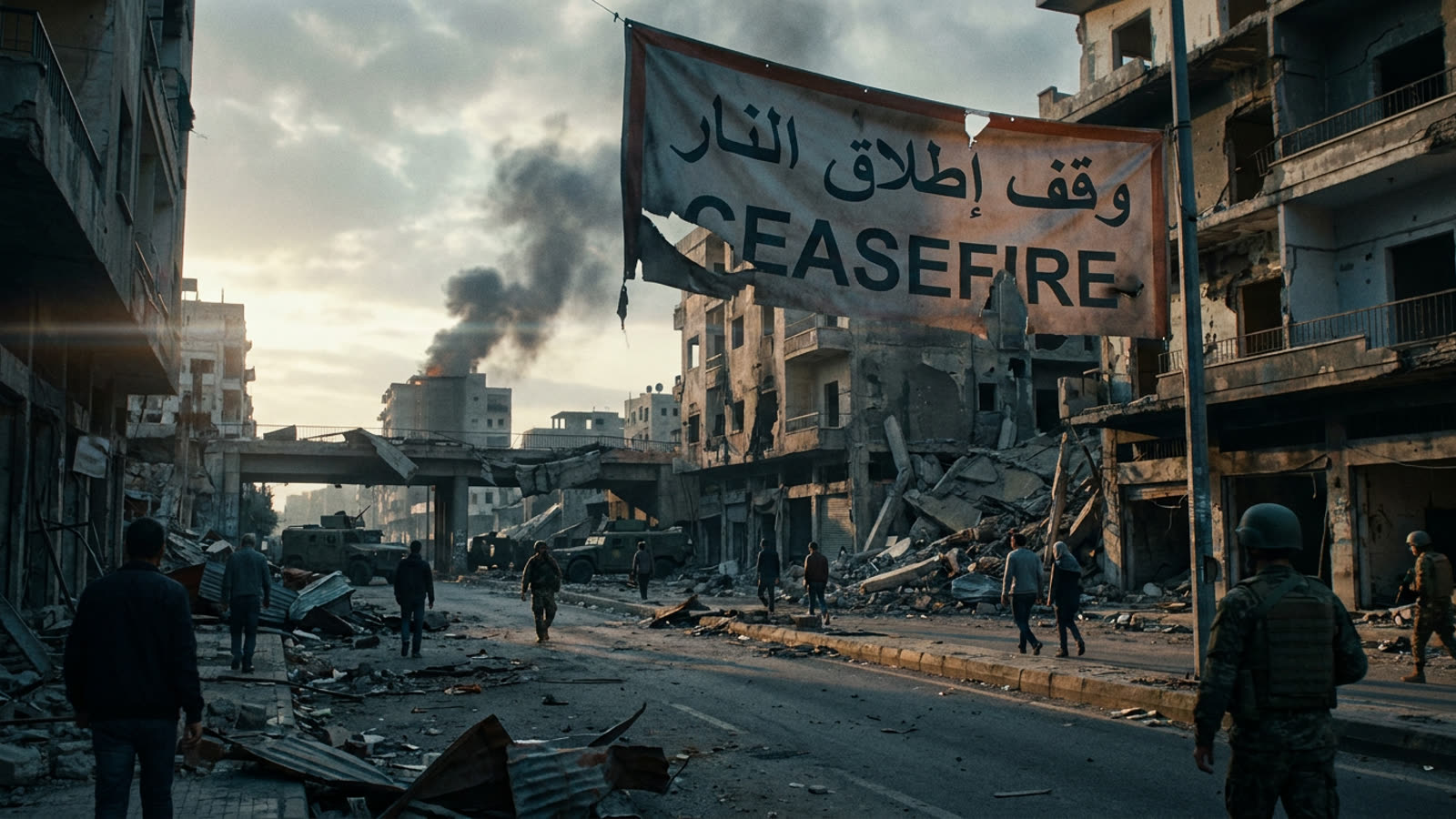
A ceasefire that exists only on paper is worse than no ceasefire at all—it breeds cynicism, exhausts mediators, and gives combatants cover to regroup while claiming peaceful intent. Lebanon's announcement of a partial cessation of hostilities between Israel and Hezbollah falls squarely into this category: a diplomatic gesture undermined by the immediate resumption of attacks from both sides.
The Lebanese government, acting through intermediaries and under pressure from Gulf states alarmed by regional instability, declared the partial truce on Sunday. Within hours, Israeli strikes hit targets in Beirut's southern suburbs, while Hezbollah rockets continued their arc toward northern Israel. The disconnect between announcement and action suggests either a fundamental miscommunication between the parties or—more likely—a cynical exercise in diplomatic theater designed to satisfy international pressure without requiring genuine de-escalation.
The arithmetic of a non-ceasefire
Partial ceasefires are inherently unstable constructs. They require both parties to agree not merely on stopping violence but on which violence counts. Israel has consistently maintained that it reserves the right to strike what it deems imminent threats, a category elastic enough to encompass nearly any Hezbollah asset. Hezbollah, for its part, frames its rocket fire as defensive response rather than aggression, creating a rhetorical loop in which neither side technically violates terms both interpret to their advantage.
The timing matters. Netanyahu, facing domestic pressure over prolonged military engagement and international criticism following the expanded Beirut incursions of recent weeks, benefits from appearing to engage with peace processes. Hezbollah, having absorbed significant losses to its command structure, needs operational breathing room. Neither party's incentives align with genuine cessation—only with the appearance of one.
Regional powers watch and wait
The Gulf states, particularly Saudi Arabia and the UAE, have grown increasingly vocal about their desire for stability. Their economic modernization projects depend on regional calm, and a wider conflagration threatens everything from tourism revenues to foreign investment. Yet their leverage over both Israel and Hezbollah remains limited. Iran, Hezbollah's patron, faces its own calculations: ongoing nuclear negotiations with Washington create pressure to restrain its proxies, but Tehran has historically proven willing to let those talks collapse rather than abandon strategic assets.
The Trump administration's involvement adds another layer of complexity. The president's reported frustration with Netanyahu in recent calls suggests Washington may be losing patience with open-ended military campaigns, but the administration has shown little appetite for the sustained diplomatic engagement that genuine peace-building requires.
Our take
Call it what it is: a press release masquerading as a peace process. Lebanon's announcement serves everyone's short-term interests—politicians can claim progress, militaries can rearm, and diplomats can schedule follow-up meetings—while serving no one's long-term security. The residents of southern Beirut and northern Israel, who continue to live under the threat of sudden violence, deserve better than ceasefires that cease nothing. Until one side achieves decisive military advantage or external powers impose genuine costs for continued fighting, expect more announcements, more violations, and more of the grim status quo.