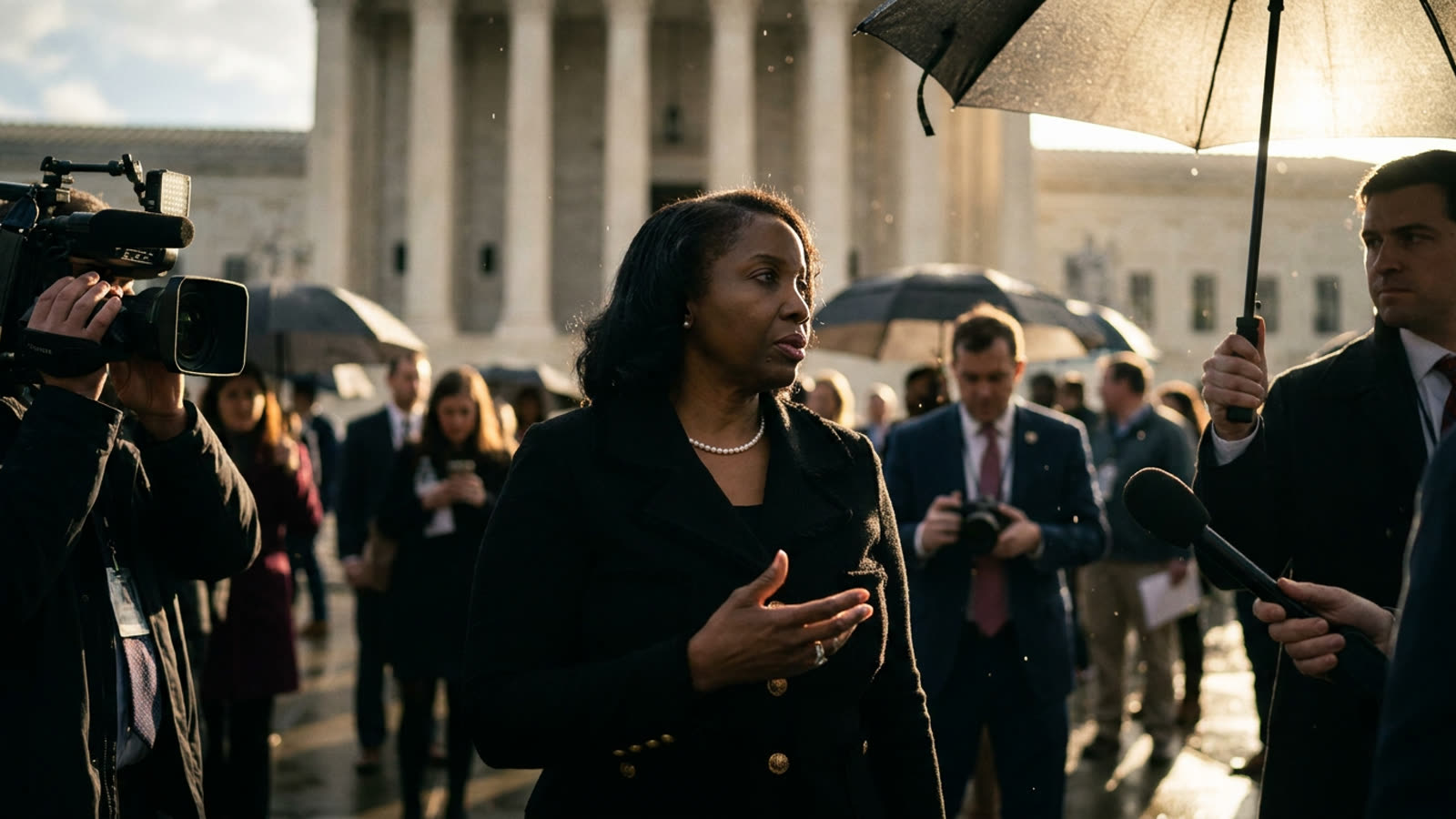
The Supreme Court's decision to let Federal Reserve Governor Lisa Cook keep her seat is less a ringing endorsement of central bank independence than a tactical retreat by a Court that knows it's playing with dynamite. The justices declined to intervene in Trump's attempt to remove Cook, but they did so on narrow procedural grounds that leave the fundamental constitutional question—can a president fire members of independent agencies at will?—very much alive.
Cook, an economist who joined the Fed in 2022, had become an unlikely flashpoint in the administration's broader campaign to reassert executive control over the administrative state. The White House argued that restrictions on removing Fed governors violated the president's constitutional authority. The Court, for now, disagreed—or rather, declined to agree.
The doctrine in the crosshairs
At stake is the "for cause" protection that has shielded Fed governors, FTC commissioners, and other independent agency heads since the New Deal era. The 1935 Humphrey's Executor decision established that Congress could insulate certain officials from presidential removal, creating space for technocratic expertise to operate free from political pressure. For the Fed, this independence is considered essential to credible monetary policy—the idea being that central bankers shouldn't set interest rates with one eye on the next election.
The Trump administration has been systematically chipping away at this framework across multiple agencies. The Cook case was always about more than one economist's job; it was a test case for whether the Fed itself could be brought to heel.
Markets exhale, briefly
Financial markets greeted the news with muted relief. Treasury yields ticked down slightly, and the dollar softened—both suggesting investors had priced in some probability of a more dramatic outcome. But the reaction was notably restrained, reflecting the reality that this ruling settles little.
The Fed is currently navigating one of the more treacherous monetary environments in recent memory: inflation that refuses to fully cooperate, a labor market showing cracks, and mounting pressure from both the White House and Congress to cut rates faster than the data warrants. Chair Powell has repeatedly insisted the Fed will follow the numbers, not the political calendar. Today's ruling gives him slightly more cover to do so.
The next front
The administration has already signaled it will pursue other avenues. Several cases challenging independent agency structures are working through lower courts, and the conservative legal movement has spent years building the intellectual infrastructure for a direct assault on Humphrey's Executor. Justice Thomas, in particular, has made clear he believes the precedent was wrongly decided.
The Court's punt today may simply reflect a preference for choosing its moment. A case with cleaner procedural posture, or an agency with less systemic importance than the Fed, might prove more attractive for establishing new doctrine.
Our take
The Fed dodged a bullet, but the gun is still loaded. Central bank independence is one of those institutional norms that seems boring and technical until it's gone—at which point everyone discovers why it mattered. The Court's reluctance to rule definitively means we'll be relitigating this question for years, with each skirmish introducing fresh uncertainty into markets that crave predictability. Lisa Cook gets to keep her job. The larger fight over who controls American monetary policy is just getting started.