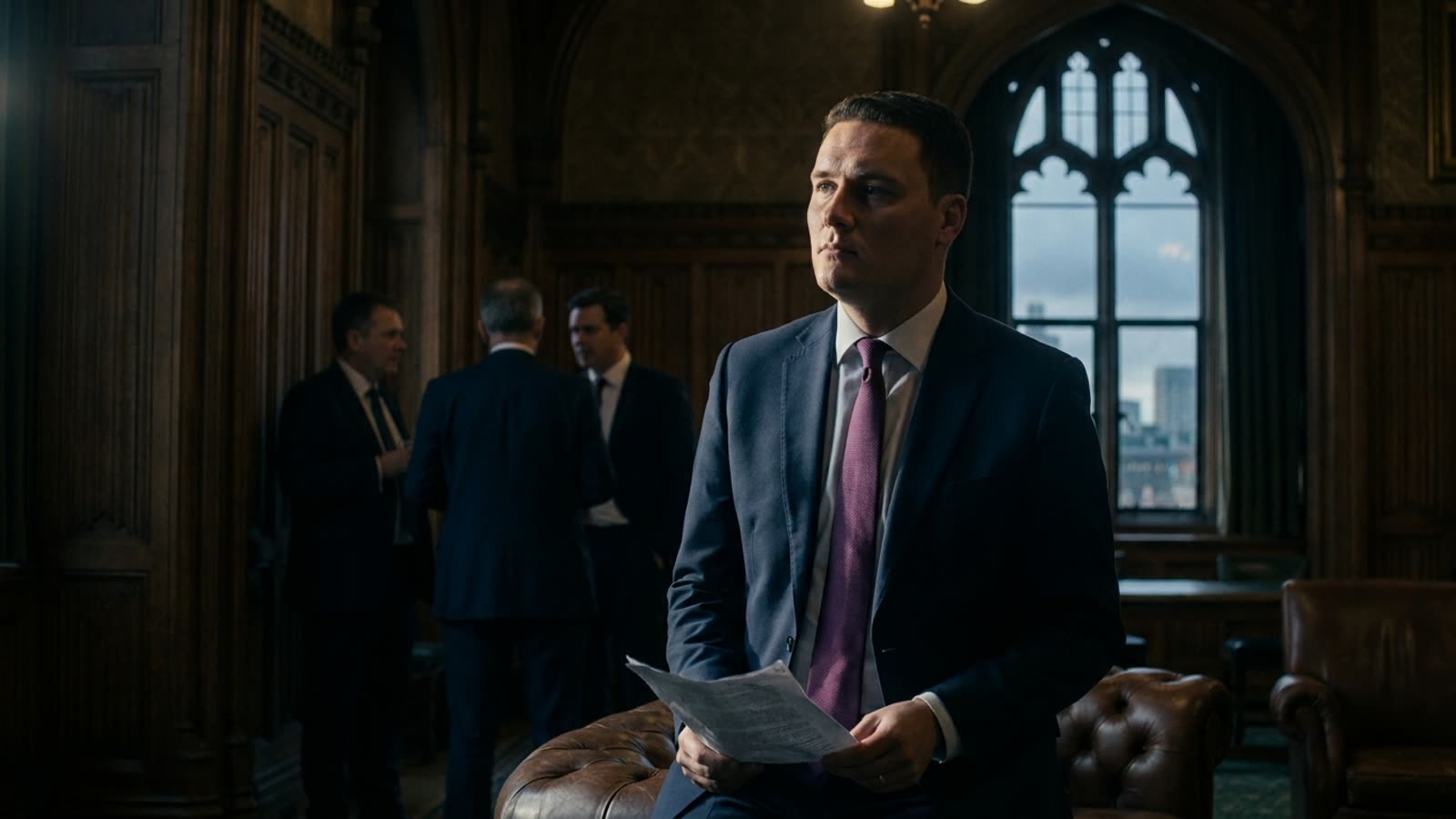
The British Labour Party, barely a year removed from its landslide general election victory, is now openly at war with itself. On Saturday, former Health Secretary Wes Streeting declared he would enter any leadership contest, insisting there must be a "proper contest" rather than a coronation. Hours earlier, Greater Manchester Mayor Andy Burnham announced his intention to "save" Labour "from where it's been" — a barely coded indictment of the current leadership's trajectory.
The speed of this unraveling is remarkable. What began as murmurs of discontent has metastasized into a full succession crisis, with two heavyweight figures now positioning themselves as the party's potential saviors from opposite ideological corners.
The Streeting calculation
Streeting represents Labour's modernizing, centrist wing — the faction that believes the party's path back to relevance lies through pragmatic accommodation with market economics and a tough line on public service reform. His tenure at Health was marked by confrontations with unions and a willingness to embrace private sector involvement in the NHS that infuriated the left. His candidacy would be a bet that Labour's base wants competence and electability over ideological purity.
The former minister's insistence on a "proper contest" is pointed. It suggests he believes any attempt to install a successor by acclamation would be illegitimate — and that he has the backing to force an open fight.
Burnham's gambit
Burnham's positioning is more complex. The Manchester mayor has spent years cultivating an image as Labour's most successful executive politician, someone who actually runs things rather than merely opining about them. His language about "saving" the party signals he views the current leadership as having led Labour somewhere catastrophic.
Burnham occupies curious ideological territory: more authentically northern and working-class in presentation than Streeting, yet hardly a Corbynite. He represents a third way within Labour's internal third way — the argument that the party can be both economically interventionist and culturally moderate, popular in its heartlands without abandoning metropolitan voters.
The underlying crisis
What neither candidate is saying explicitly, but what both are clearly responding to, is a collapse in Labour's political position that has shocked even pessimistic observers. The party that swept to power with a historic majority has hemorrhaged support at a pace that suggests something more fundamental than mid-term blues. Whether the diagnosis is economic mismanagement, cultural disconnect, or simple incompetence depends on which faction you ask.
The timing is brutal. Leadership contests consume political parties, diverting energy from governing and exposing every internal fault line to public view. Labour will now spend months relitigating its identity while the government presumably continues to struggle with the crises that created this mess in the first place.
Our take
Labour's predicament is genuinely tragic in the classical sense: a party that achieved everything it wanted, only to discover that power without purpose is its own punishment. Streeting and Burnham are both serious politicians with genuine claims to leadership. But the contest they are about to wage will answer a question Labour has dodged for a generation — what is the party actually for, beyond not being the Conservatives? The answer may be more painful than either candidate is prepared to admit.