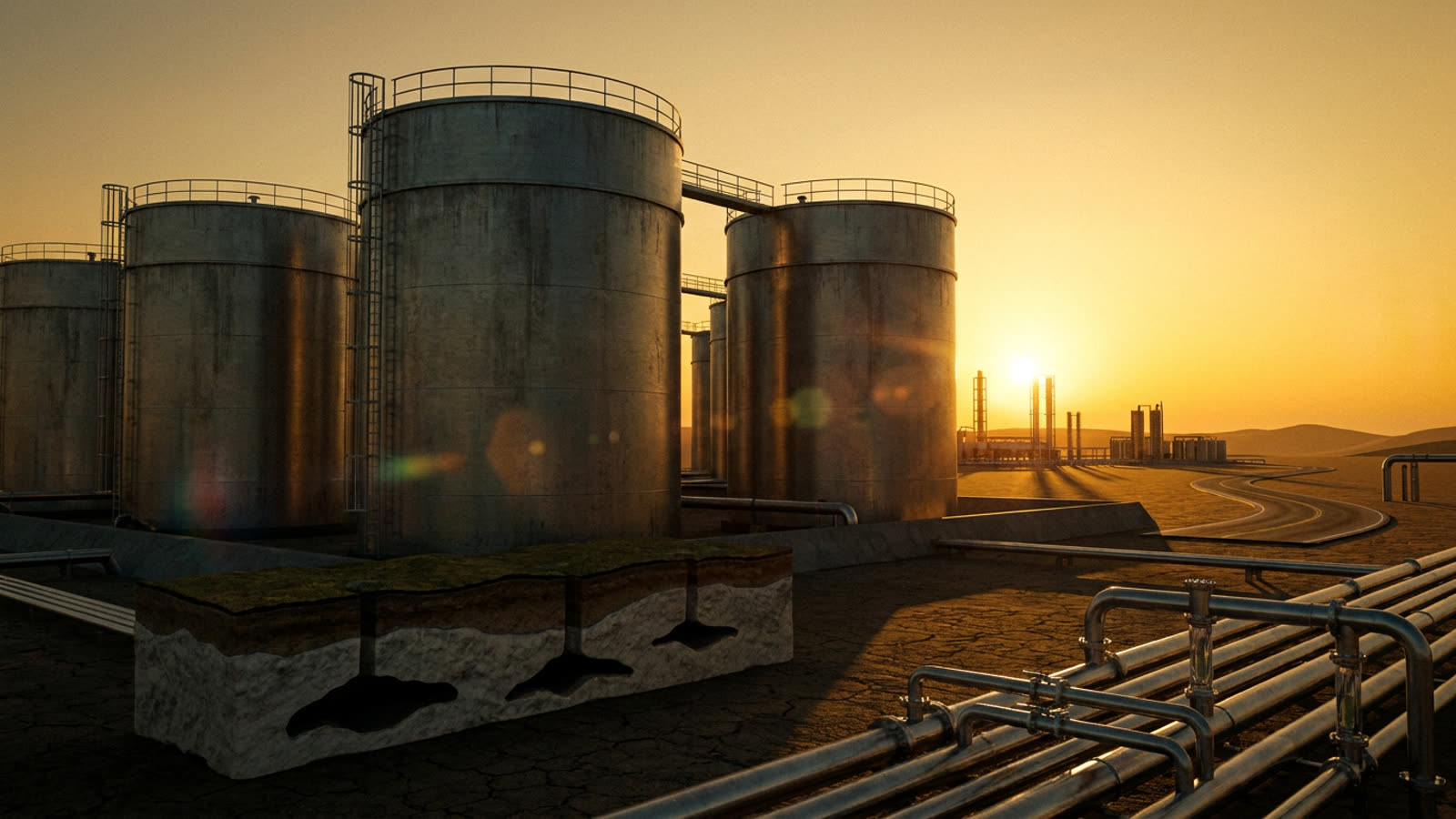
The Strategic Petroleum Reserve was designed for catastrophe—an Arab oil embargo, a Gulf war, a hurricane that shutters refineries. It was not designed to be a checking account for presidents seeking to lower gas prices before midterms or to offset spending elsewhere in the federal budget. Yet that is precisely what it has become, and the balance is now alarmingly low.
At roughly 350 million barrels, the SPR holds less crude than at any point since Ronald Reagan's first term. The reserve's statutory capacity is 714 million barrels. Even accounting for some caverns requiring maintenance, the gap between what America could store and what it does store represents an enormous forfeited buffer against supply shocks.
How we got here
The hollowing out accelerated during the Biden administration, which released nearly 180 million barrels in 2022 to combat inflation after Russia's invasion of Ukraine. The logic was defensible in the moment: prices had spiked, refiners needed supply, and the release did help moderate costs. But the promised refill never fully materialized. Crude was sold at around $95 per barrel; buybacks occurred sporadically when prices dipped below $80, but budget constraints and political inertia meant the reserve stayed depleted.
Subsequent administrations have continued the pattern. Congress has authorized SPR sales to fund unrelated programs—highway bills, deficit reduction, even pandemic response—treating the reserve as a piggy bank rather than an insurance policy. The result is a strategic asset that is no longer particularly strategic.
Why it matters now
The timing is unfortunate. While ceasefire talks between the United States and Iran have eased immediate fears of a Strait of Hormuz closure, the underlying volatility in the Middle East has not disappeared. Hezbollah remains active. Gulf monarchies are hedging their bets. A single miscalculation could remove millions of barrels per day from global markets within hours.
With the SPR at current levels, the United States could replace roughly 35 days of net petroleum imports at maximum drawdown rates—down from nearly 90 days a decade ago. That is still meaningful, but it is a far cry from the cushion policymakers assumed they had.
Our take
Energy security is boring until it isn't. The SPR exists precisely for scenarios that seem unlikely right up until they happen. Treating it as a fiscal slush fund or a short-term price-management tool is the governmental equivalent of raiding your 401(k) to pay for a vacation. The next oil shock will arrive eventually. When it does, Americans may discover that the reserve they were counting on has already been spent.