For months, the curious feature of 2026's geopolitical turbulence was how little it seemed to matter to everyday prices. Oil spiked, shipping routes rerouted, and yet inflation remained stubbornly contained. April's numbers shattered that illusion: consumer prices rose at their fastest pace since mid-2023, driven by energy costs and supply-chain friction that had been building beneath the surface.
The print is a reminder that wars have economic consequences—they just arrive on delay.
The transmission mechanism finally engaged
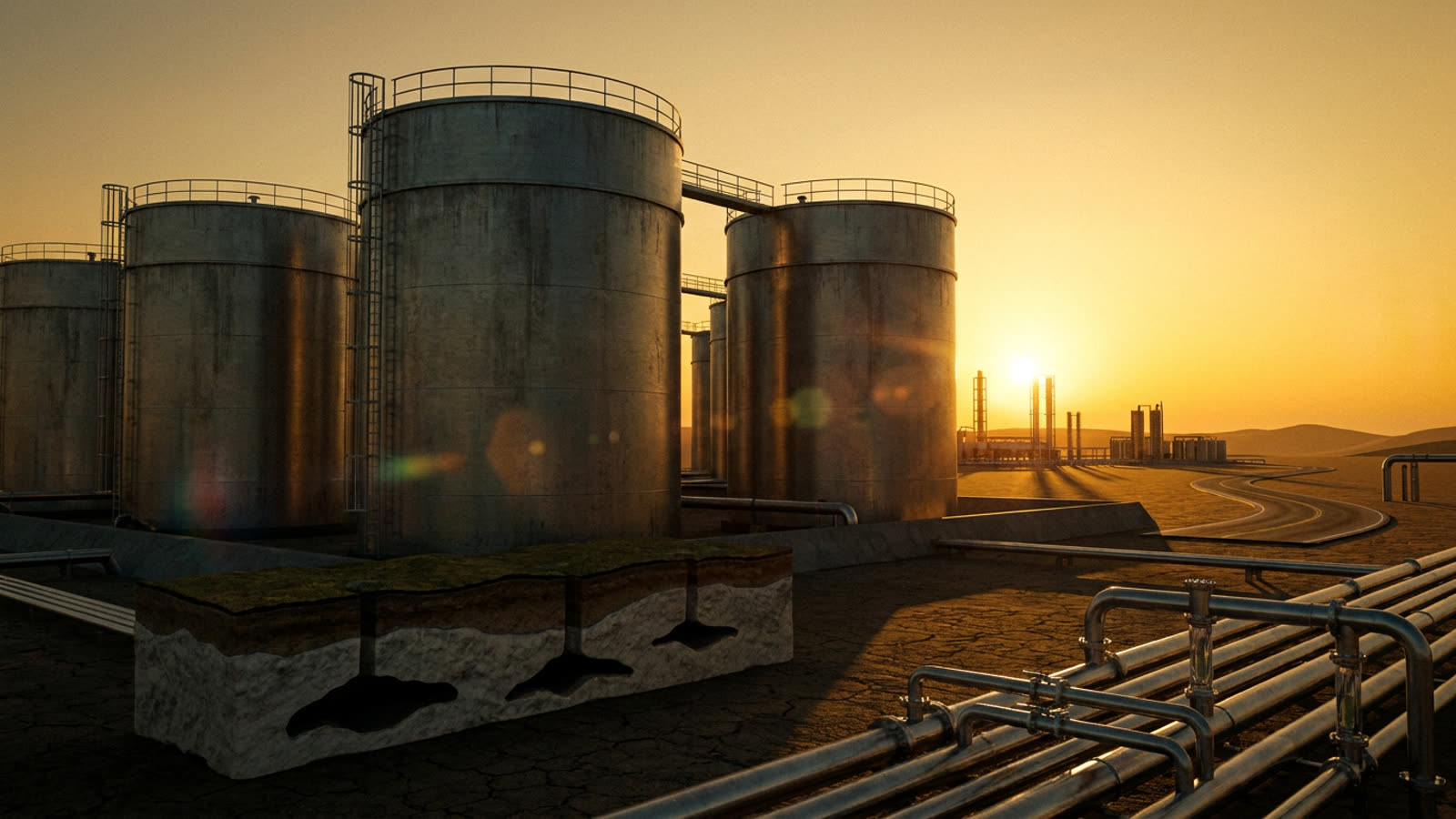
The Iran-related disruptions in the Strait of Hormuz, combined with lingering effects from the Russia-Ukraine conflict's grinding continuation, created a one-two punch that refiners and shippers could no longer absorb. Gasoline prices climbed sharply, and the knock-on effects rippled through transportation-sensitive categories: food, household goods, even services that depend on delivery logistics.
What's notable is the timing. Oil prices have actually begun to ease in recent days on hopes of a Hormuz transit deal, and equities are at record highs partly on AI-driven optimism. But inflation data is backward-looking by design—April's numbers capture the worst of the spring anxiety, not the tentative relief of late May.
The Fed's uncomfortable position
Just last week, St. Louis Fed President Alberto Musalem was warning that rate hikes might return to the table if inflation proved stubborn. April's data hands the hawks fresh ammunition. The central bank had been inching toward cuts, with markets pricing in at least one reduction by autumn. That calculus now looks optimistic.
The complication is that the inflationary impulse appears supply-driven rather than demand-driven. Raising rates won't reopen the Strait of Hormuz or end the war in Ukraine. But the Fed's mandate doesn't distinguish between good inflation and bad inflation—only between target and overshoot.
What comes next
The question is whether April marks a peak or a plateau. If the nascent Hormuz diplomacy holds and oil continues its slide, May and June could show rapid disinflation. But if talks collapse or a new shock emerges, the Fed may find itself forced into a credibility-defending hike that almost no one wants.
Consumers, meanwhile, are already adjusting. Discretionary spending has softened, and retailers are reporting more cautious behavior at the margins. The wealth effect from record stock prices may cushion some households, but for those without equity portfolios, the grocery bill tells a different story.
Our take
The inflation print is a useful corrective to the market's recent complacency. Geopolitics isn't priced until it's priced, and the lag between headline risk and household impact can be measured in quarters, not days. The Fed will likely hold steady in June, hoping the supply-side pressures ease on their own. But hope is not a policy, and April's numbers are a reminder that the post-pandemic inflation beast, while wounded, is not yet dead.