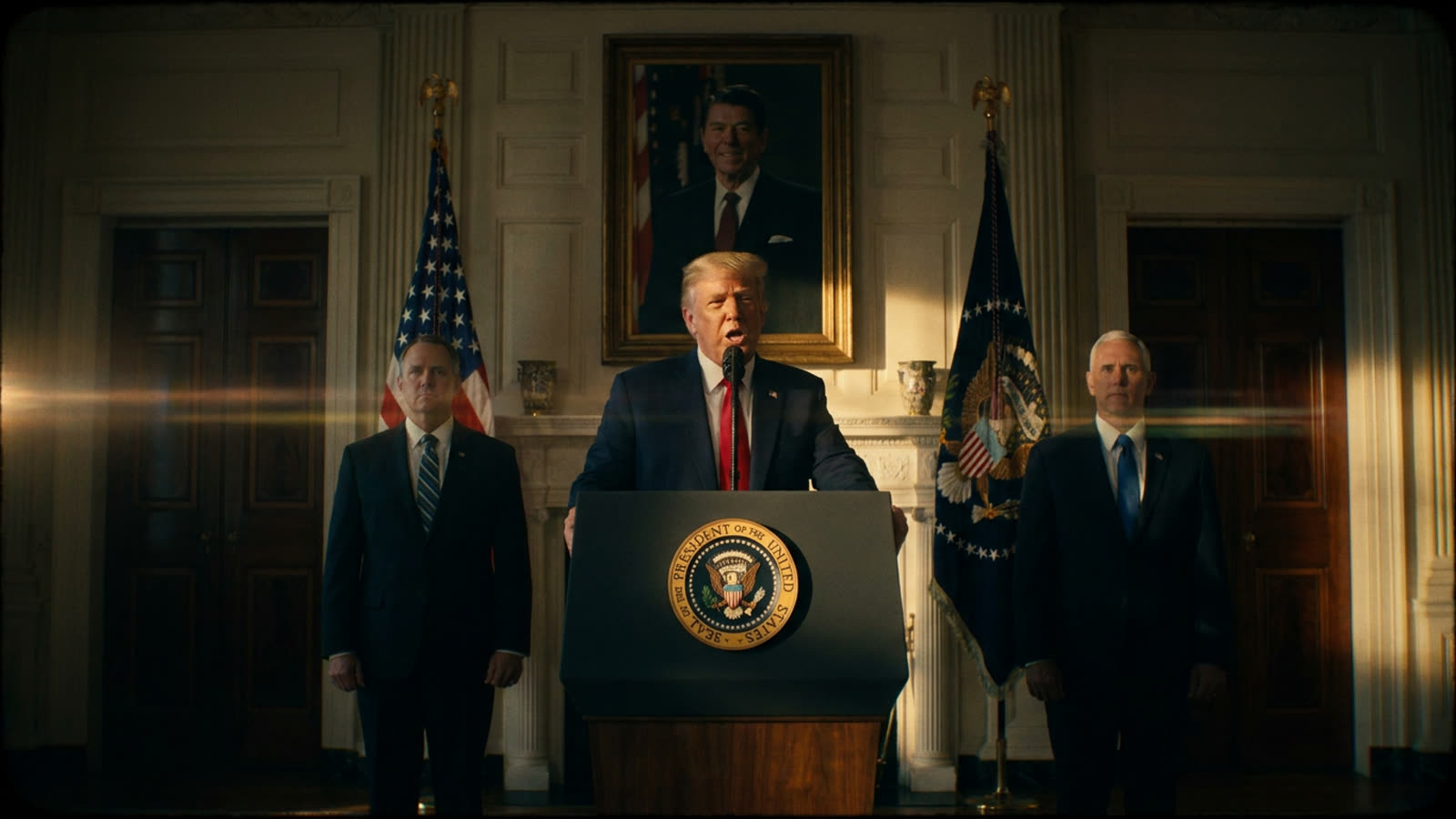
The pattern has become almost metronomic: Trump threatens devastating strikes on Iran, markets convulse, oil spikes, then hours later he announces a deal is imminent and crude tumbles back down. On Wednesday, he completed another full cycle within a single news day, first warning of imminent military action, then claiming a "settlement" could soon end hostilities and reopen the Strait of Hormuz.
This is not the behavior of a president prosecuting a coherent military campaign. It is the behavior of a commodities trader with access to the world's largest military.
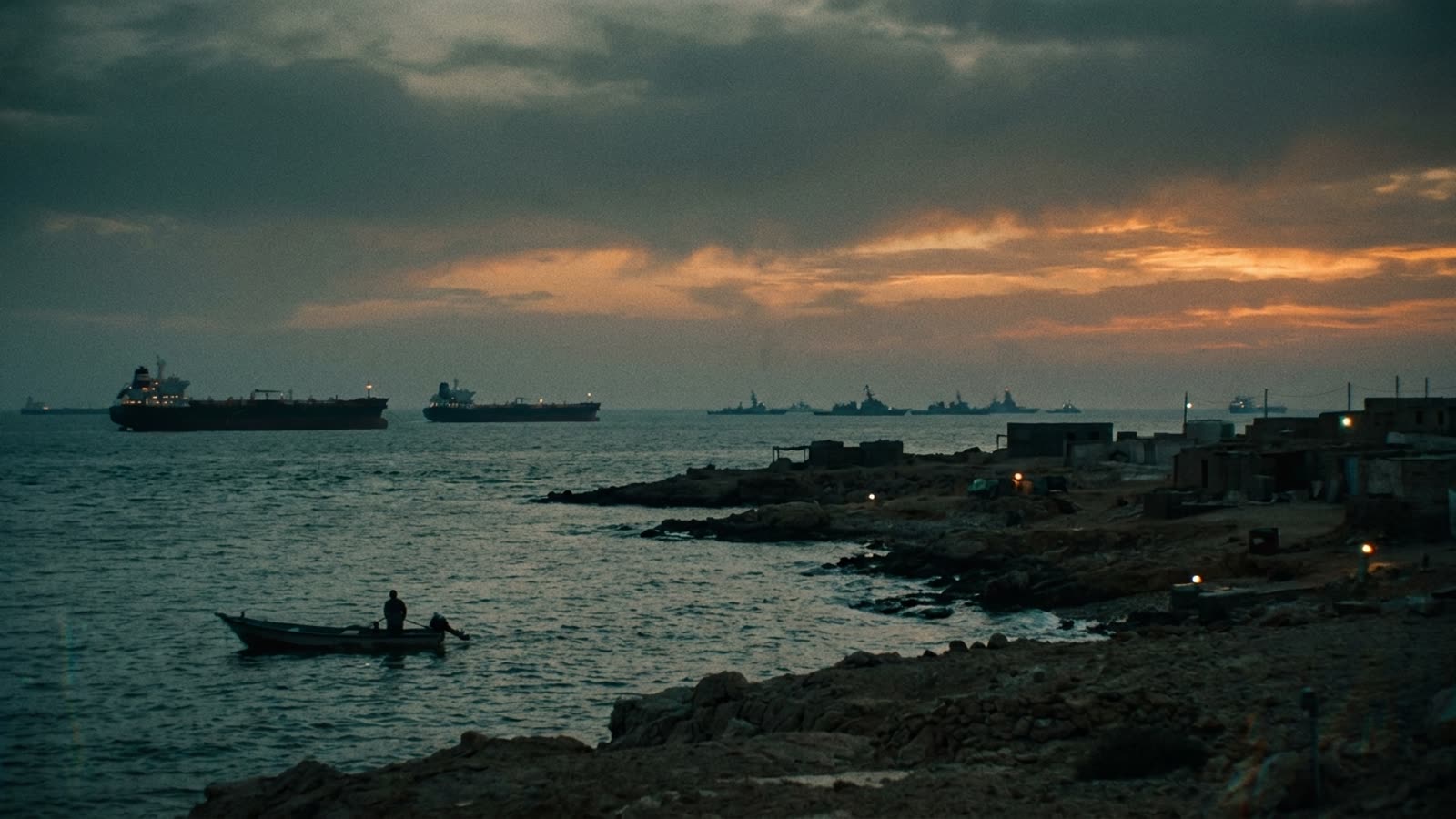
The Strait of Hormuz, that 21-mile-wide passage between Iran and Oman through which roughly 20 percent of global oil supply flows daily, has been effectively contested since the June ceasefire collapsed. Iranian Revolutionary Guard vessels have harassed tankers. Insurance premiums for Gulf transits have quintupled. And American consumers, already stung by the highest inflation in years, are paying the price at the pump.
The domestic arithmetic
Trump's obsession with the Strait is not difficult to decode. Gasoline prices are the single most visible economic indicator to ordinary voters, and they have been climbing steadily since hostilities resumed. Every week the Strait remains contested adds roughly eight to twelve cents per gallon at American pumps. With midterm positioning already underway for 2026, the administration cannot afford a summer of four-dollar gas.
The threat-and-retreat cycle serves a dual purpose. Each threat of strikes reminds Tehran that American firepower remains overwhelming. Each retreat signals that Washington prefers a negotiated reopening to an actual war. The message to Iran's leadership is clear: give us the Strait, and we will give you an off-ramp.
Tehran's calculation
Iran, however, has its own arithmetic. The advisor to Supreme Leader Khamenei who spoke to CNN this week was explicit: the war continues unless the United States "respects Iran's interests." Translation: sanctions relief, or at minimum a path toward it, must accompany any deal on the Strait.
This is the fundamental impasse. Trump wants the optics of a peace deal and the economics of open shipping lanes, but he cannot offer meaningful sanctions relief without infuriating his own base and handing Democrats a potent attack line. Iran wants substantive concessions, not photo opportunities. Neither side has yet found a formula that satisfies both constraints.
The market as audience
What makes this negotiation unusual is that it is being conducted largely through market signals. When Trump threatens strikes, oil jumps and pressure on Tehran increases. When he walks it back, crude falls and American consumers get temporary relief. The volatility itself has become a negotiating tool, a way of demonstrating to both Iranian hardliners and American voters that the president holds the lever.
The danger, of course, is that levers sometimes slip. A miscalculated threat, an Iranian commander who does not get the memo, a tanker incident that spirals—any of these could transform performative brinksmanship into actual war. The Strait is narrow in more ways than one.
Our take
Trump is not deceiving himself about Iran, as some analysts suggest. He knows exactly what he is doing: using the threat of violence to extract a narrow concession on oil transit while avoiding the political costs of either a real war or a real diplomatic compromise. Whether this constitutes strategy or recklessness depends entirely on whether it works. So far, the Strait remains contested, the threats keep cycling, and the only certainty is that this president treats geopolitics the way he once treated Manhattan real estate—as a series of deals to be won, not problems to be solved.