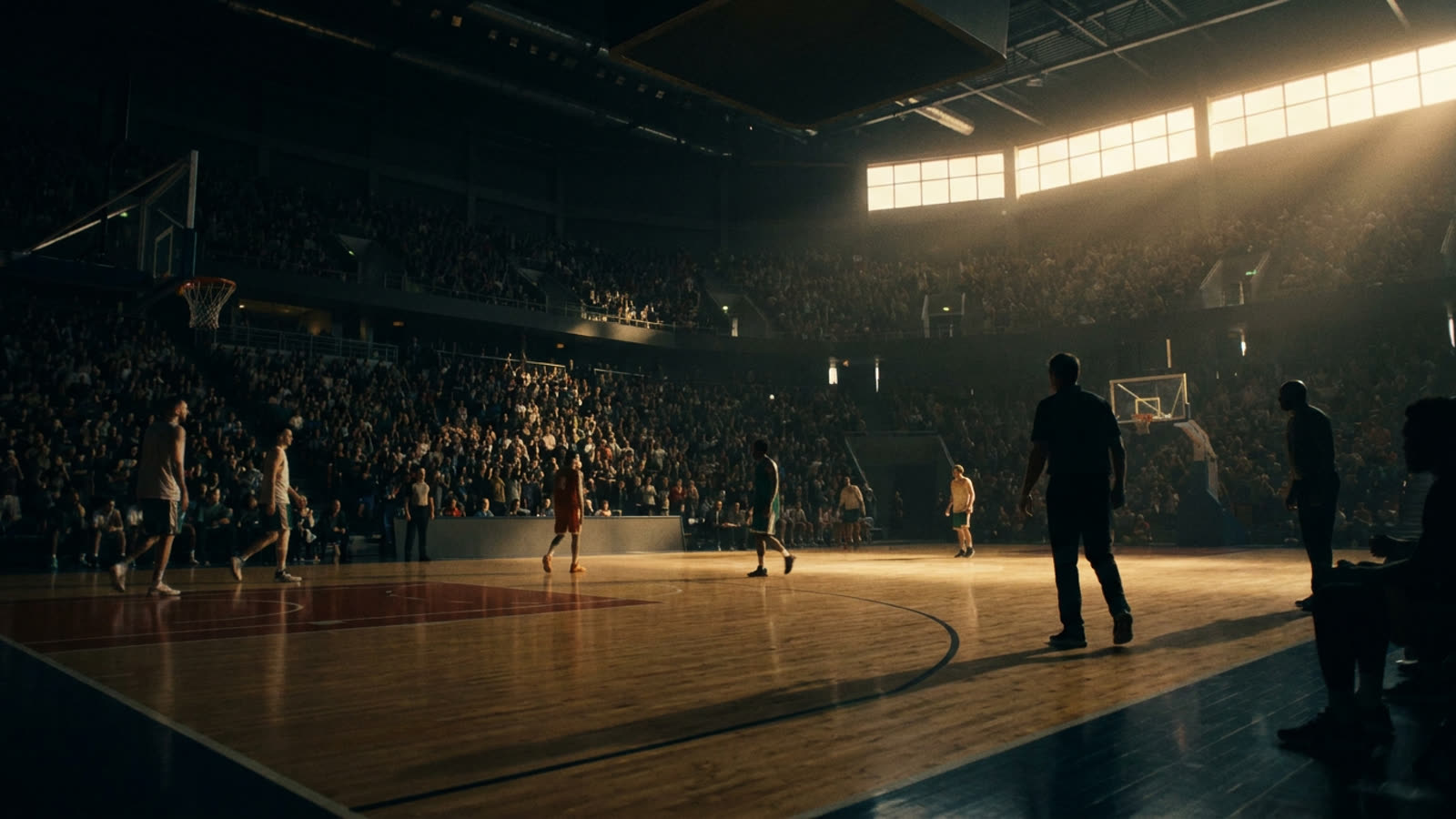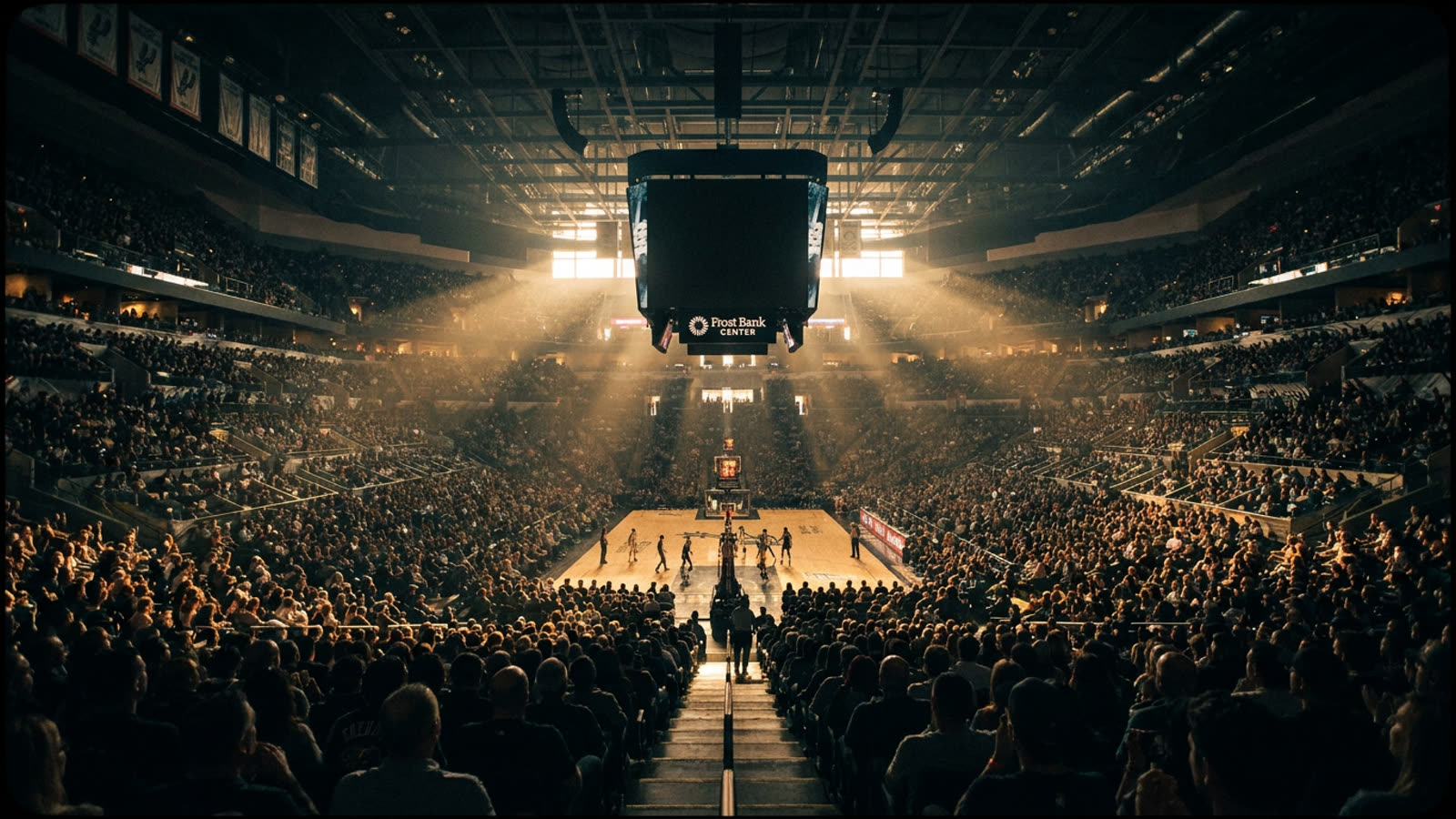
The Oklahoma City Thunder arrived in San Antonio with a 2-1 series lead and the quiet confidence of a team that had spent the regular season establishing itself as the Western Conference's presumptive champion. They left having scored their fewest points of the entire 2026 playoffs, victims of a Spurs defensive masterclass that has suddenly made this series feel like something it wasn't supposed to be: a fair fight.
San Antonio's rout — the kind of comprehensive dismantling that makes you reconsider everything you thought you knew about the matchup — wasn't built on offensive fireworks. It was built on the suffocating, switchable defense that Gregg Popovich has spent two years constructing around his generational rim protector. The Thunder's normally fluid motion offense devolved into contested mid-range attempts and rushed three-pointers, their spacing advantages neutralized by a Spurs team that seemed to know where the ball was going before Oklahoma City did.
The Thunder's offensive collapse
Oklahoma City entered Game 4 averaging well over 110 points per game this postseason, their five-out spacing and Shai Gilgeous-Alexander's creative genius making them nearly impossible to contain for four quarters. What they encountered instead was a Spurs defense that packed the paint without sacrificing perimeter coverage, daring the Thunder's role players to beat them while making Gilgeous-Alexander work for every inch of space.
The results were stark. Oklahoma City's usually efficient offense sputtered through possessions that ended in turnovers or contested shots. Their three-point shooting, so reliable throughout the playoffs, abandoned them at the worst possible moment. More troubling for Thunder fans: this wasn't a case of shots simply not falling. San Antonio's length and activity created the kind of defensive pressure that makes even good shooters second-guess their releases.
Popovich's adjustment
The Spurs' defensive scheme in Game 4 represented a significant departure from their approach in the first three games. Rather than dropping their big man and conceding mid-range opportunities, San Antonio played aggressive, switching defense that kept multiple bodies around the ball at all times. The gamble — that their perimeter defenders could handle Thunder guards in isolation — paid off handsomely.
This is the defense Popovich has been building toward since drafting his franchise cornerstone. The switching, the communication, the collective understanding of when to help and when to stay home — it all clicked in Game 4 in a way that suggests the Spurs may have finally found their playoff identity. Whether they can sustain it for three more games against a Thunder team that will certainly adjust remains the central question of this series.
Our take
We've spent two years wondering what a Popovich-coached team built around elite rim protection would look like in a playoff series against a genuine contender. Now we know: it looks like this. San Antonio's Game 4 performance wasn't a fluke born of Thunder complacency; it was the logical endpoint of a defensive philosophy that prioritizes length, switching ability, and paint protection above all else. Oklahoma City remains the more talented team on paper, but the Spurs just proved they have the defensive ceiling to make this a series. The Thunder's response in Game 5 will tell us whether they're truly ready to be champions or whether they've been exposed as a regular-season phenomenon.