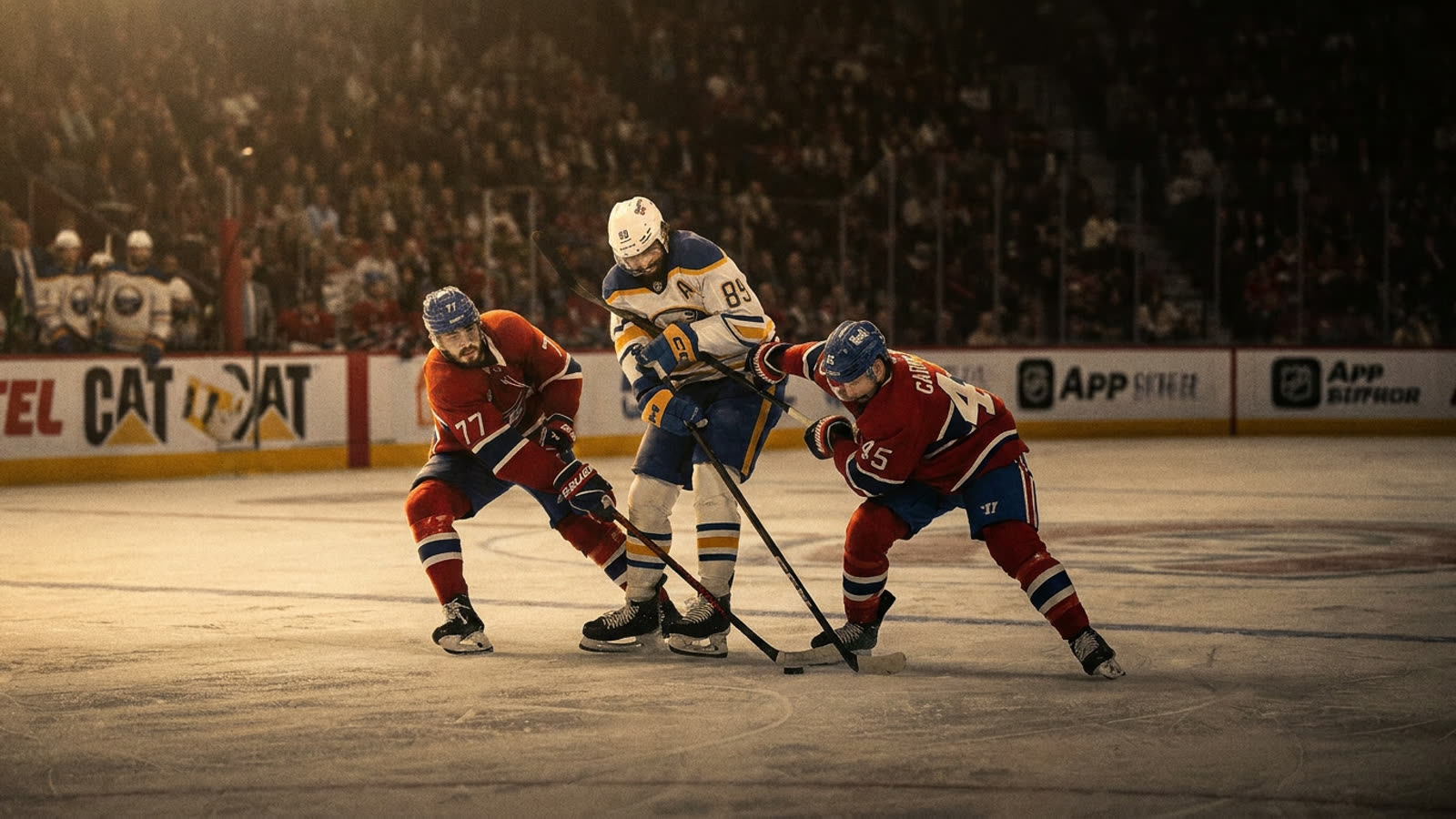
The Stanley Cup playoffs remain unfinished business, but the real action for most NHL general managers has already begun: the mental gymnastics of projecting which unrestricted free agents will actually hit the open market on July 1, and at what price.
This year's class presents a peculiar challenge. The salary cap, after years of pandemic-induced stagnation, continues its gradual climb, yet the gap between what star players believe they deserve and what teams can responsibly commit remains a canyon. The result is a market where second-tier talents may command first-tier money simply because the genuine difference-makers never reach unrestricted status.
The cap math problem
NHL free agency operates under constraints that make the NBA's spending sprees look almost rational. Teams bumping against the ceiling must perform elaborate roster surgery just to add a single meaningful piece. Those with space—often the league's struggling franchises—face the eternal question of whether overpaying for a 28-year-old winger actually accelerates a rebuild or merely creates a new albatross contract.
The tracking of who might be available, and at what cost, has become a cottage industry unto itself. Front offices employ entire analytics departments to model scenarios, yet the market still produces head-scratching outcomes every summer. Last year's free-agent class saw several players sign deals that looked questionable within months.
Contenders versus pretenders
The teams currently alive in the playoffs face an additional wrinkle: success delays their planning. A deep run means less time to negotiate with pending UFAs, less clarity on available cap space, and the emotional complication of wanting to keep a winning group together regardless of the financial logic.
Meanwhile, clubs eliminated in the first round—or those who missed entirely—have spent weeks refining their target lists. The information asymmetry between a team focused on winning a championship and one focused on July 1 is substantial.
Our take
Free agency has become the NHL's annual exercise in collective delusion, where every general manager convinces themselves that this year's market will be different, that they'll find the undervalued gem everyone else missed. The reality is grimmer: most July signings look worse by Christmas. The smart money remains on draft picks and internal development, but that's a harder sell to impatient ownership groups demanding immediate returns. The tracker exists because hope springs eternal—even when the data suggests it probably shouldn't.