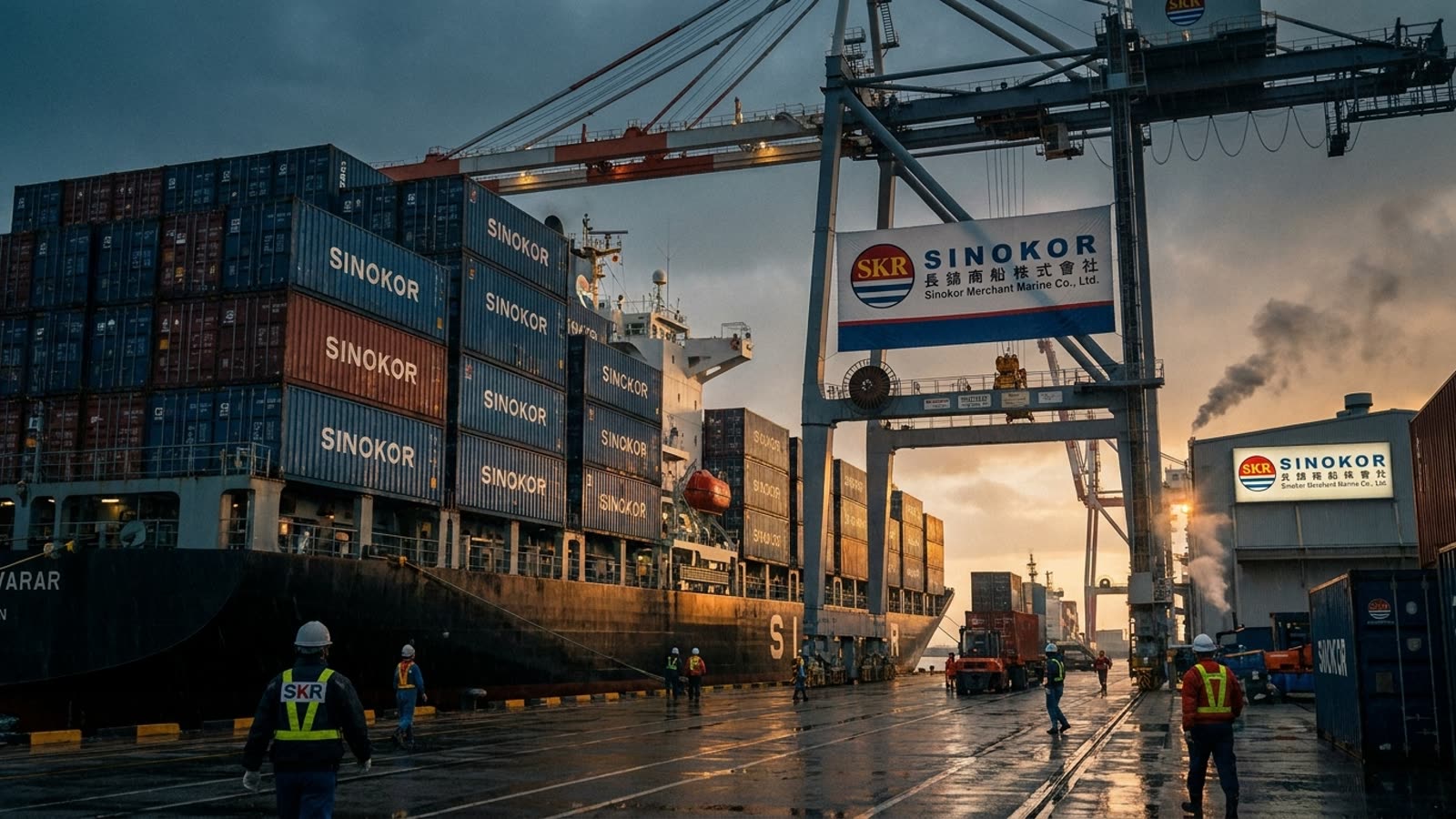
The most consequential chokepoint in global energy isn't controlled by an oil major, a sovereign wealth fund, or even OPEC. It's dominated by Sinokor, a mid-sized South Korean shipping company that most energy analysts couldn't have named two years ago. Today, roughly half of all tanker transits through the Strait of Hormuz—the narrow passage through which a fifth of the world's oil supply flows daily—are managed by Sinokor vessels. The concentration is extraordinary, and it happened almost by accident.
A bet that paid off too well
In late 2024, as tensions between Washington and Tehran were escalating but before the current conflict erupted, Sinokor made an aggressive expansion into Persian Gulf shipping routes. The company acquired aging tanker fleets at depressed prices and signed long-term charter agreements with Gulf state oil exporters who were hedging against the possibility that Western shipping insurers might pull coverage. When hostilities began in earnest in mid-2025, those contracts became golden. Major European and American tanker operators retreated from the region, citing insurance costs and crew safety concerns. Sinokor stayed.
The result is a market structure that would make antitrust regulators nervous in calmer times. Sinokor now commands pricing power that individual OPEC members might envy. Charter rates for Hormuz-capable tankers have tripled since the conflict began, and Sinokor's share price has quintupled. But the company's dominance also means that any disruption to its operations—a missile strike, a sanctions designation, a crew mutiny—would send immediate shockwaves through crude markets.
Seoul's uncomfortable position
The South Korean government finds itself in an awkward spot. Sinokor's success has been a boon for the country's shipping industry and its energy security—South Korea imports virtually all its oil, much of it through the Strait. But the company's centrality to Gulf oil flows has also made Seoul a de facto stakeholder in a conflict it would rather avoid. American officials have reportedly pressed their Korean counterparts to ensure Sinokor doesn't charter vessels to Iranian-linked entities, while Chinese buyers have leaned on the company to maintain service despite Western pressure.
Sinokor's management has said little publicly, preferring to let the balance sheet speak. But industry sources suggest the company is acutely aware that its windfall could evaporate overnight if the conflict ends—or if it escalates in ways that make even Korean-flagged vessels uninsurable.
Our take
Market concentration is usually a story about tech platforms or pharmaceutical patents. Sinokor's Hormuz dominance is a reminder that the oldest chokepoints in global trade can still produce the most dramatic bottlenecks. The company made a smart bet, but the world's energy security now depends on a single firm's risk appetite and a conflict's trajectory. That's not a market structure; it's a prayer.