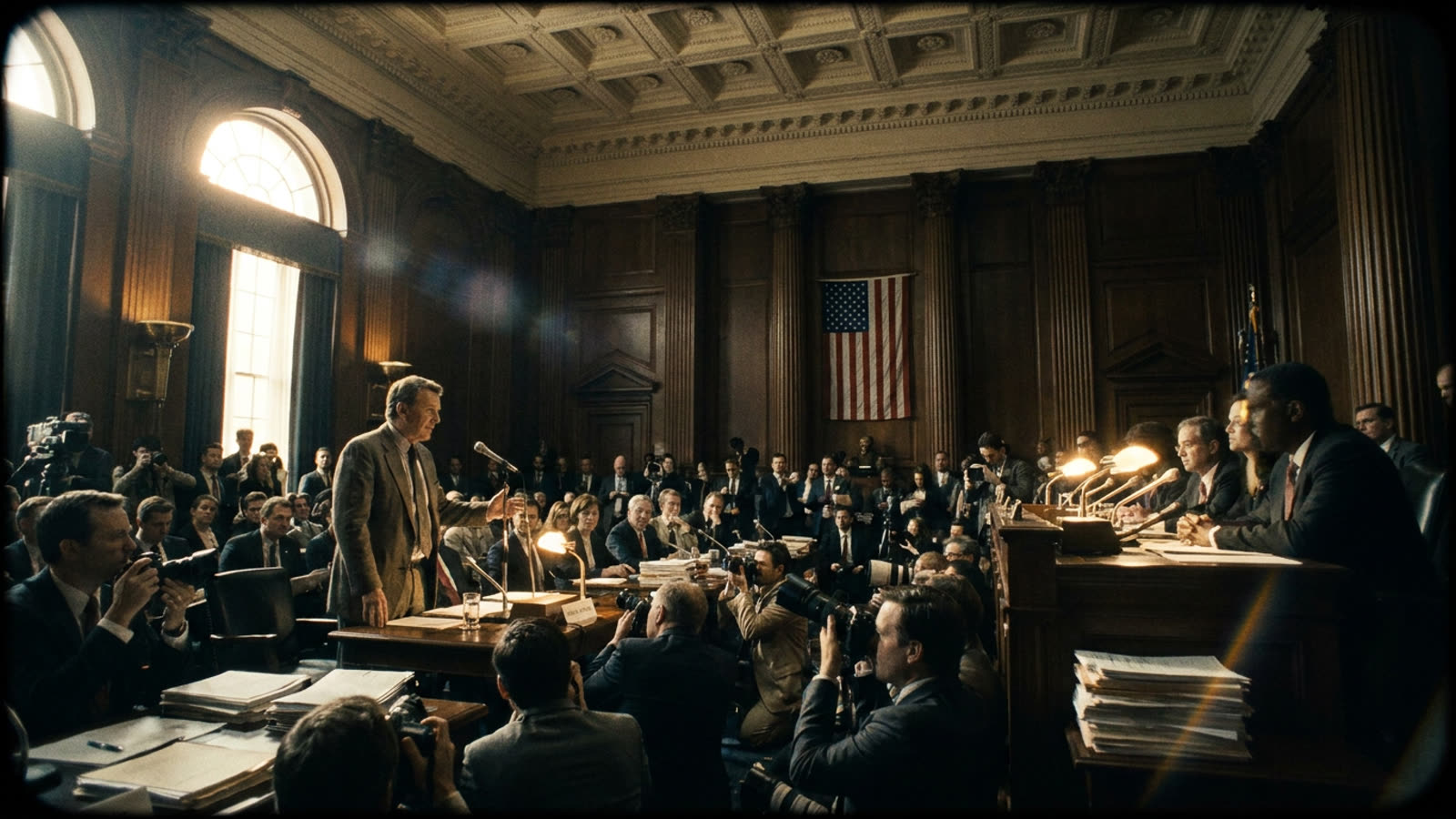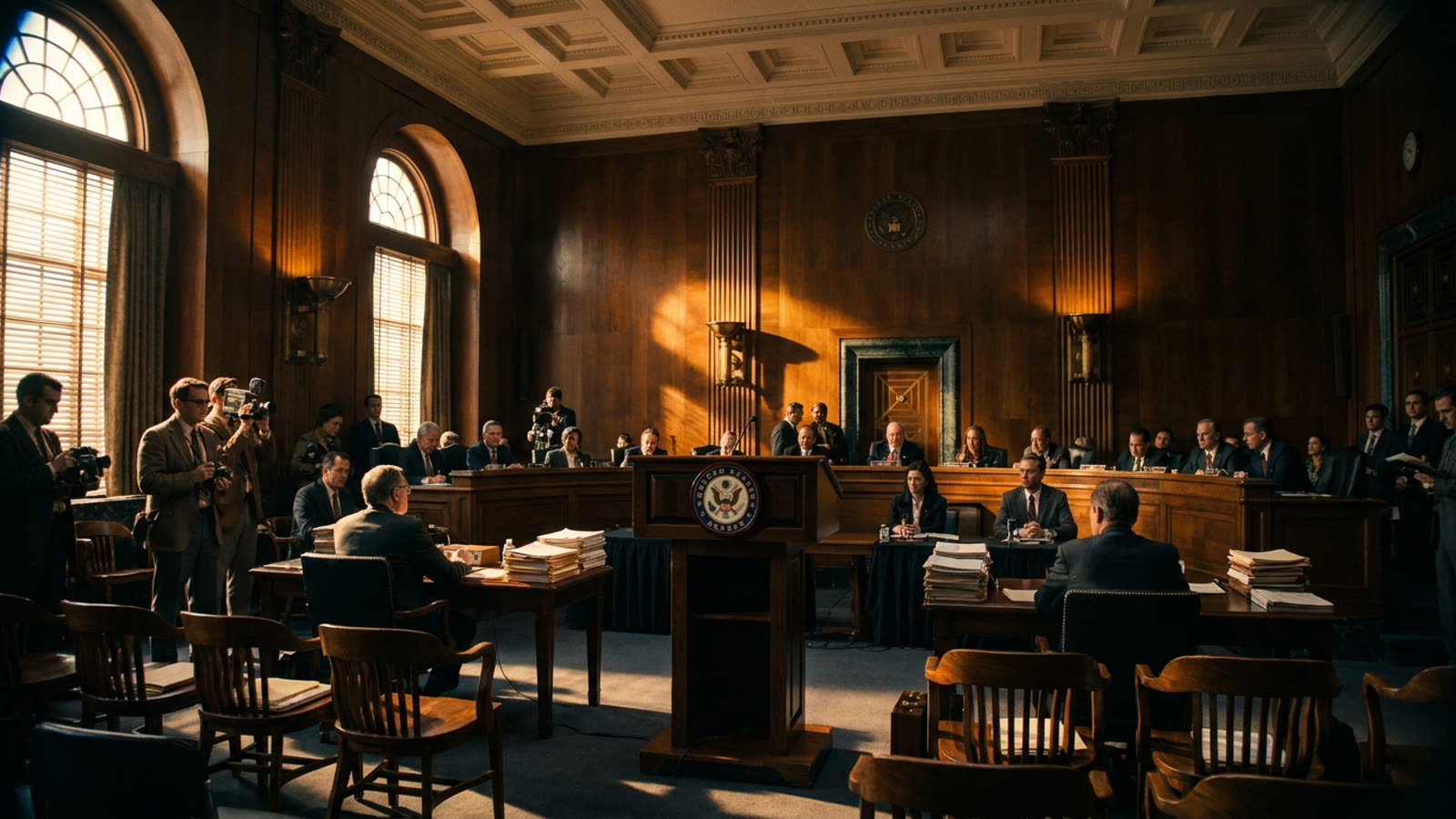
The United States Senate operates by unanimous consent until someone objects. This simple fact explains more about American legislative gridlock than any civics textbook. The filibuster—that peculiar mechanism allowing 41 senators to block legislation supported by 59—wasn't designed. It emerged from a rule change in 1806 that Aaron Burr suggested to clean up the Senate's cluttered rulebook. He thought the "previous question" motion was redundant. Its deletion created an unintended consequence: unlimited debate.
The accidental veto
For most of the 19th century, senators rarely exploited this loophole. The chamber prided itself on collegial debate that eventually yielded to majority will. The first genuine filibuster didn't occur until 1837, and even then it was seen as unseemly. The real transformation came during the civil rights era, when Southern senators discovered they could weaponize endless debate to block anti-lynching laws and voting rights legislation. Strom Thurmond's 24-hour marathon against the Civil Rights Act of 1957 remains the longest individual filibuster in history.
The modern filibuster bears little resemblance to these theatrical stands. Since the 1970s, senators don't actually have to speak continuously—they merely signal their intent to filibuster, and the majority leader typically pulls the bill rather than force the issue. This "silent filibuster" has transformed the Senate from a majoritarian body into one requiring a de facto 60-vote supermajority for almost all legislation.
Why it survives every assault
The filibuster endures because it serves both parties' long-term interests, even as they denounce it when in power. Democrats who demanded its abolition during the Obama and Biden presidencies suddenly rediscovered its virtues when Republicans took control. Republicans who defended it as sacred tradition when in the minority have floated carve-outs when holding the gavel. This isn't hypocrisy so much as rational self-interest—every majority knows it will someday be the minority again.
The nuclear option—changing Senate rules by simple majority vote—has been deployed selectively. Democrats eliminated the filibuster for lower-court nominees in 2013; Republicans extended this to Supreme Court nominees in 2017. But both parties have stopped short of eliminating it for legislation, understanding that such a move would fundamentally alter the Senate's character and their own future leverage.
Our take
The filibuster is American democracy at its most paradoxical—an anti-majoritarian tool in a majoritarian system, created by accident but preserved by design. Its defenders call it the Senate's cooling saucer; its critics see it as the place where popular legislation goes to die. Both are correct. In an era of narrow majorities and partisan polarization, the filibuster may be the last forcing mechanism for bipartisan compromise. It's also the reason why American government often seems incapable of addressing problems that clear majorities want solved. Like democracy itself, it's the worst system except for all the others that have been tried.