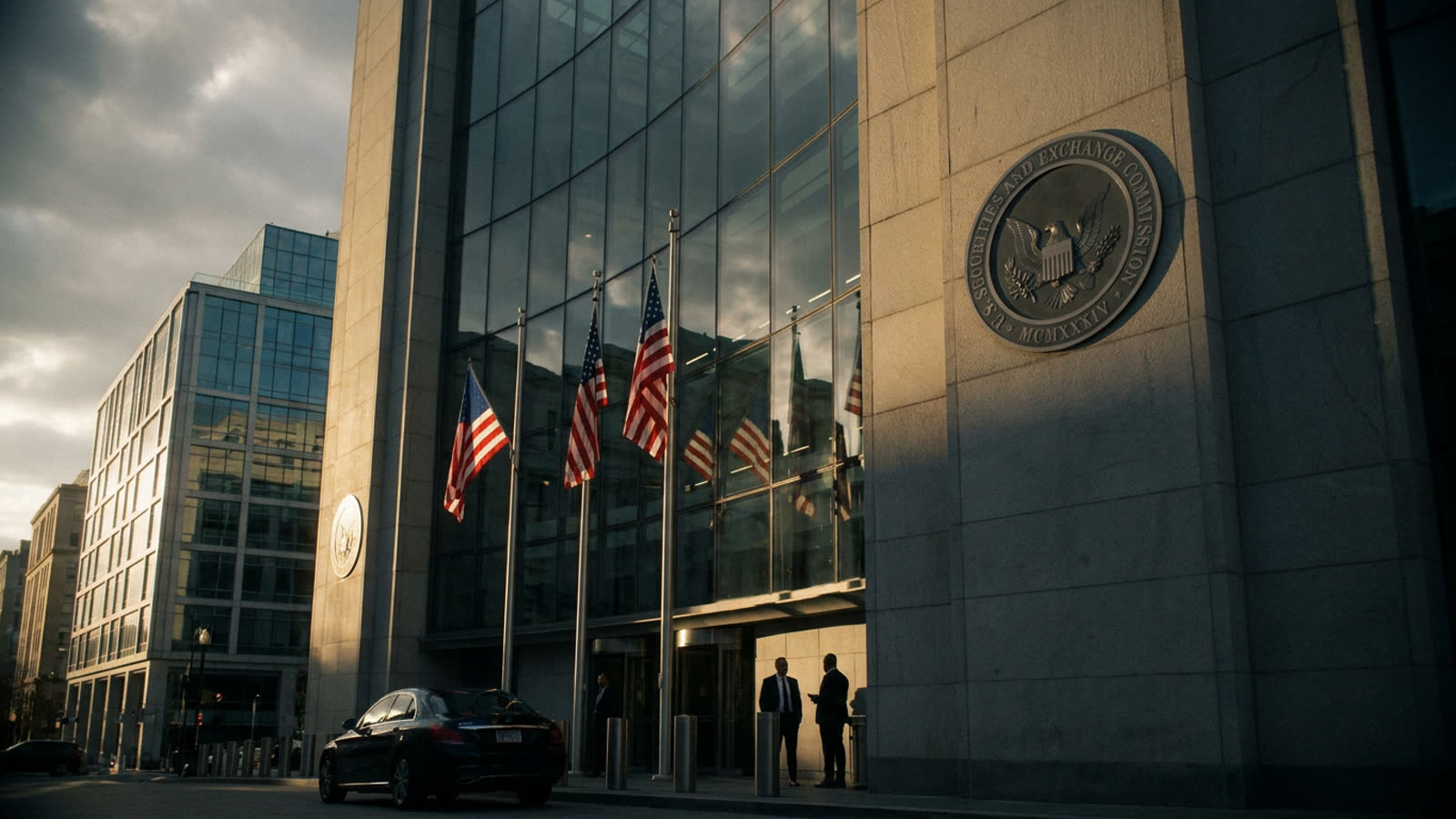
The Securities and Exchange Commission is preparing to release a comprehensive framework for tokenized stocks, according to Bloomberg, a move that would formalize what has been an uneasy détente between traditional finance and distributed ledger technology. The proposal arrives as major Wall Street institutions—including BlackRock, Fidelity, and JPMorgan—have spent the past eighteen months building tokenization infrastructure in anticipation of exactly this moment.
The timing is not coincidental. Chair Gary Gensler's successor has made clear that the agency's approach to digital assets will prioritize integration over isolation, and the tokenized securities framework represents the clearest articulation of that philosophy yet.
What tokenization actually means for markets
Tokenized stocks are not a new concept, but regulatory blessing transforms them from an interesting experiment into a viable alternative to existing market infrastructure. The core proposition is straightforward: represent traditional equity ownership as tokens on a blockchain, enabling 24/7 trading, fractional ownership, and near-instantaneous settlement.
The current system settles trades in two business days. Tokenized securities could settle in minutes. For institutional investors managing billions in capital, that difference translates directly into reduced counterparty risk and improved capital efficiency. The SEC framework is expected to address custody requirements, trading venue registration, and the thorny question of how existing securities laws apply to assets that exist as entries on distributed ledgers rather than in centralized depositories.
Wall Street's quiet preparations
The major financial institutions have not been waiting for permission. BlackRock's tokenized Treasury fund has attracted over $1.5 billion in assets. JPMorgan's Onyx platform processes billions in daily repo transactions. Franklin Templeton has been operating a tokenized money market fund on public blockchains since 2021.
These efforts have proceeded under existing regulatory frameworks through careful structuring and extensive legal work. A dedicated SEC framework would dramatically reduce the compliance burden and, crucially, provide the regulatory clarity that risk-averse institutional allocators require before committing serious capital. The proposal is expected to create a pathway for traditional broker-dealers to custody and trade tokenized securities without obtaining separate crypto-specific licenses.
The crypto industry's mixed inheritance
For the cryptocurrency world, this represents both validation and displacement. The technology that emerged from cypherpunk mailing lists and libertarian manifestos is being absorbed into the very financial system it was designed to circumvent. Bitcoin maximalists will note, correctly, that permissioned tokenization on private blockchains bears little resemblance to Satoshi's vision.
But the infrastructure is agnostic. Ethereum, Solana, and other public chains are actively courting institutional tokenization business. The SEC framework will likely remain neutral on the underlying technology, allowing issuers to choose between public and private ledgers based on their specific requirements.
Our take
This is the moment crypto stops being a parallel financial system and becomes a feature of the existing one. The SEC framework will not satisfy purists on either side—traditional finance skeptics will decry the complexity, while crypto natives will mourn the regulatory capture. But the direction is now unmistakable. The question is no longer whether blockchain technology will transform securities markets, but how quickly the transformation will proceed and who will capture the economic value it creates. Wall Street, having initially dismissed crypto as a speculative sideshow, appears determined to ensure the answer is Wall Street.