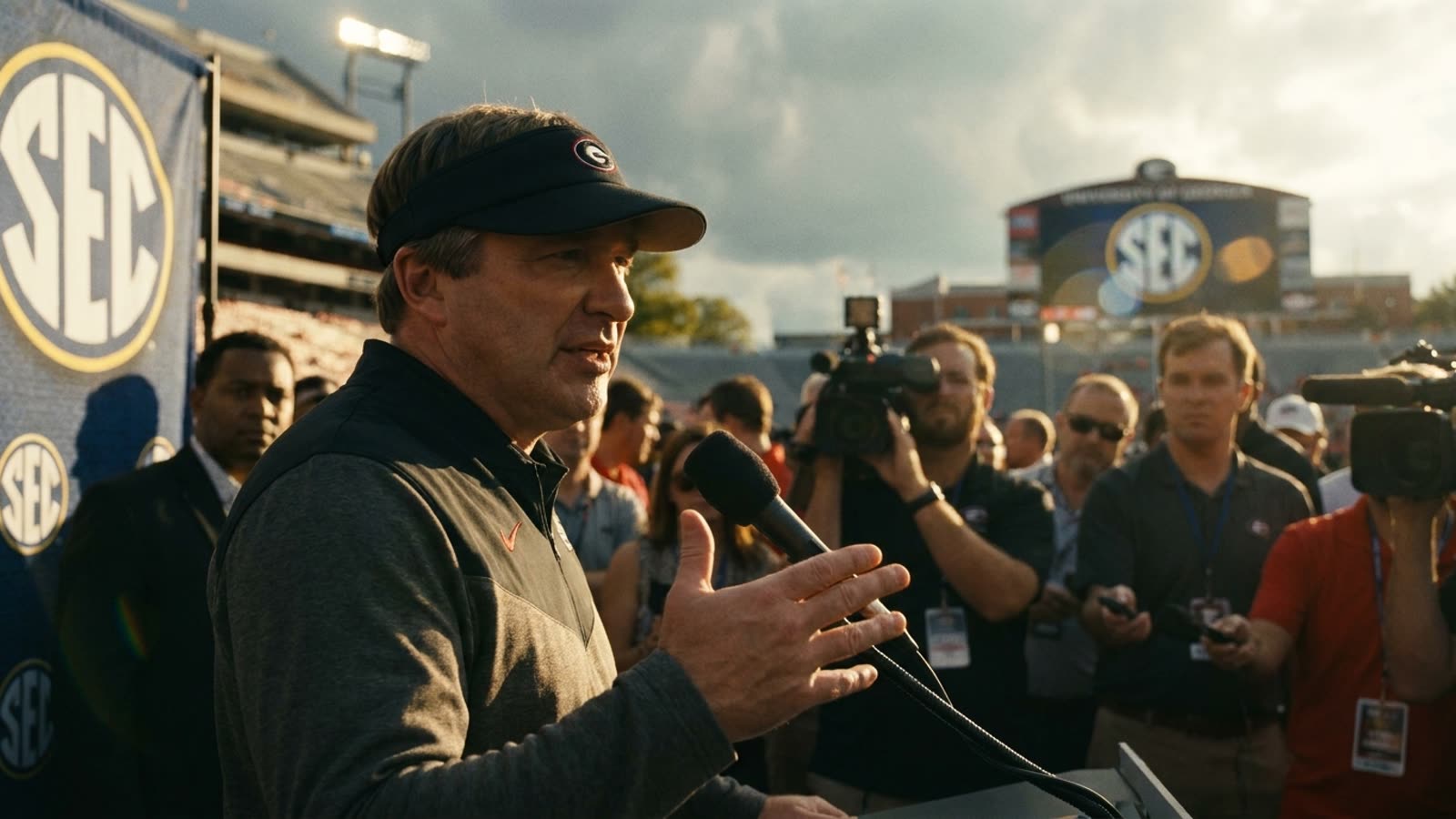
When Kirby Smart suggests the SEC might leave the NCAA, the instinct is to file it under coach-speak hyperbole. It is not.
The Georgia head coach's comments this week—hinting that the Southeastern Conference could abandon college football's governing structure if College Football Playoff revenue terms disappoint—land differently in 2026 than they would have five years ago. The NCAA's grip on football has been loosening for years; Smart's remarks acknowledge what conference commissioners have been gaming out privately: the association's relevance to big-time football is increasingly ceremonial.
The money math that makes this real
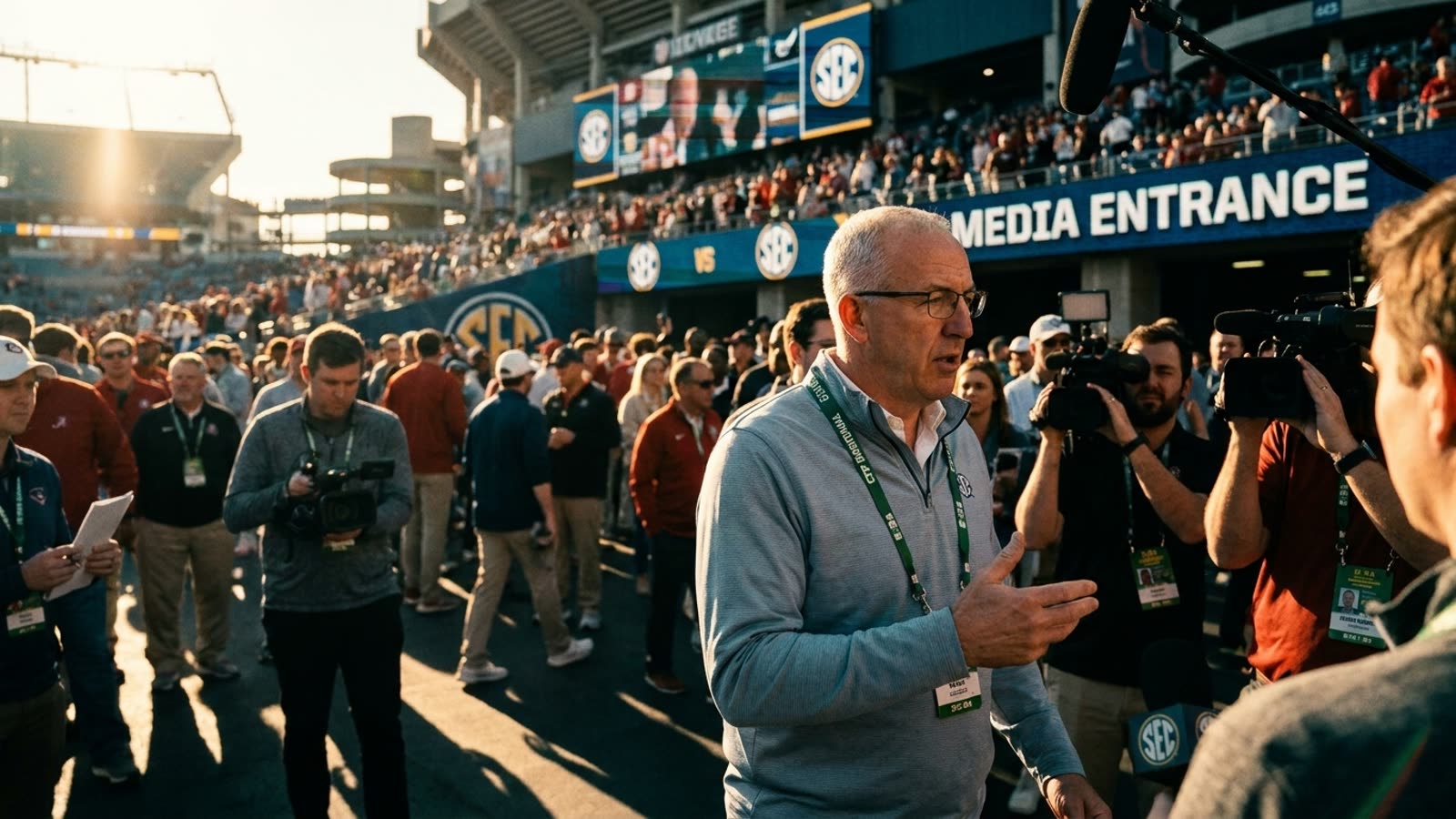
The CFP's new twelve-team format, entering its third season, generates roughly $1.3 billion annually. The SEC, which has placed multiple teams in the bracket each year since expansion, believes its share understates its contribution to the product. Commissioner Greg Sankey has been diplomatically aggressive about this for months, but Smart's willingness to say the quiet part aloud suggests the conference's patience is finite.
An SEC exit from NCAA football governance would not mean leaving college athletics entirely—the conference's schools would still compete in NCAA basketball tournaments and Olympic sports. But football, the economic engine, could operate under a separate structure, potentially one the SEC designs to its specifications. The Big Ten would face immediate pressure to follow or risk ceding influence.
Why Smart is the messenger
Smart is not a random voice. He runs the sport's most dominant program of the past half-decade, commands a salary north of $13 million, and operates in a state where football is civic religion. When he speaks, recruits listen, donors listen, and television executives listen. His comments function as a trial balloon with plausible deniability—if the reaction is too fierce, he is just a coach musing. If it lands, Sankey has a data point.
The timing matters too. NIL has already fractured the NCAA's authority over player compensation. The House v. NCAA settlement is restructuring how revenue flows to athletes. Each crack in the old model makes the next departure easier to imagine.
Our take
Smart's comments are not a prediction; they are a negotiating position dressed as speculation. The SEC has no immediate interest in blowing up college football—it benefits enormously from the current arrangement. But the conference wants everyone to understand it could. That credible threat is worth billions in leverage, and Smart just made it slightly more credible. The NCAA should take notes.