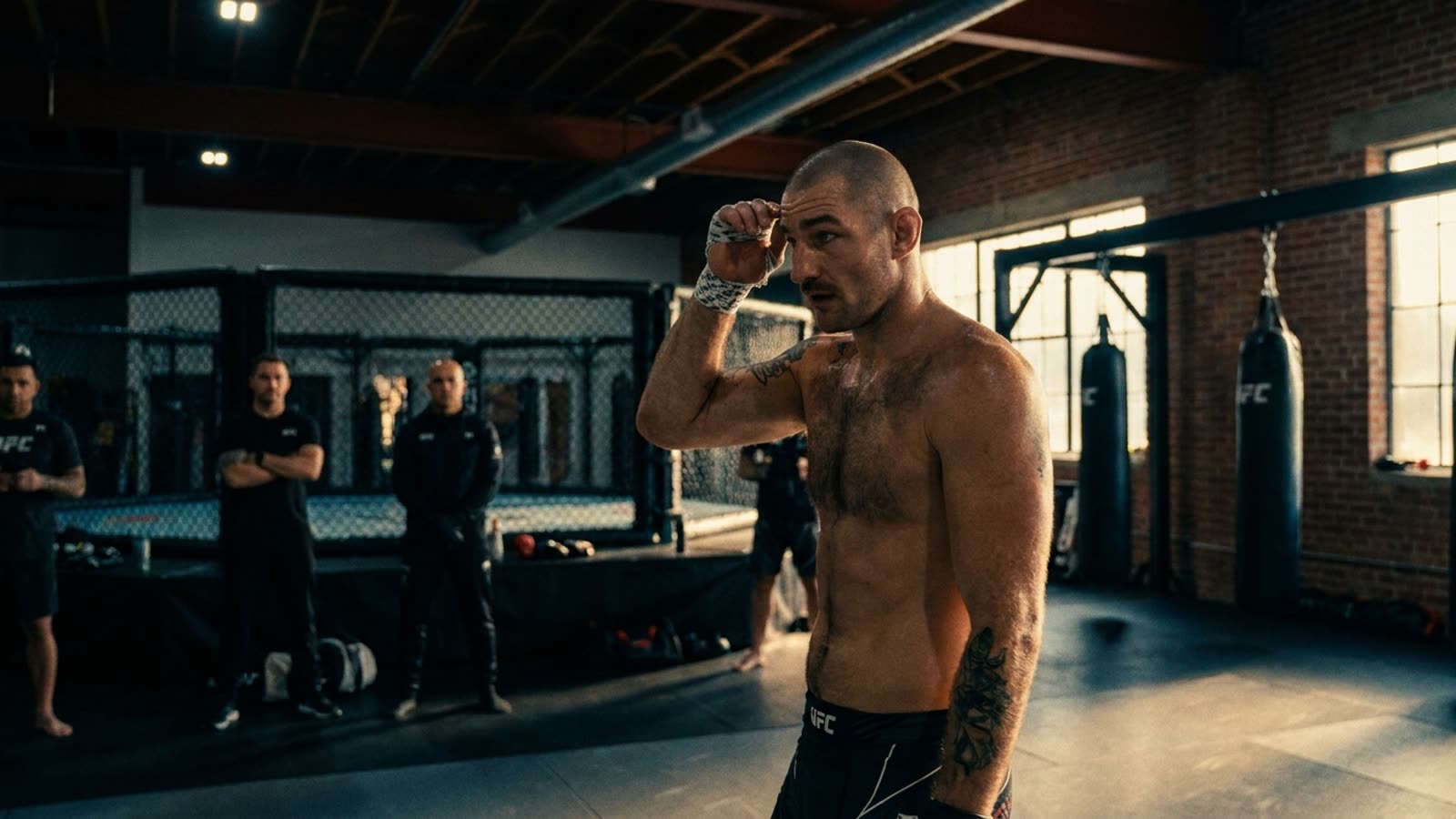
The UFC has always understood that animosity sells pay-per-views, but the brewing conflict between Sean Strickland and Islam Makhachev has crossed from promotional theater into territory the organization seems unwilling—or unable—to control.
Strickland, the reigning middleweight champion known for provocations that make Conor McGregor look diplomatic, has spent recent weeks directing an increasingly personal campaign against Makhachev, the Dagestani lightweight champion widely considered the sport's pound-for-pound best. What began as standard fighter posturing has devolved into attacks on Makhachev's faith, heritage, and team—content that would get most employees fired but apparently makes UFC fighters more marketable.
The business of outrage
The UFC's tolerance for Strickland's rhetoric isn't accidental. The 33-year-old Californian has become a folk hero to a certain segment of the MMA fanbase precisely because he says things other fighters won't. His social media following has exploded, his merchandise moves, and his fights draw eyeballs from people who might otherwise ignore middleweight title bouts. Dana White, never one to let controversy go unexploited, has praised Strickland's authenticity while declining to address the substance of his comments.
Makhachev, for his part, has largely refused to engage, a strategic choice that both elevates his dignity and, perversely, makes Strickland's attacks seem more one-sided and uncomfortable. The Dagestani's team at American Kickboxing Academy has issued measured responses, but the asymmetry is stark: one fighter building a brand on provocation, another trying to compete on merit alone.
Why weight classes won't save us
The obvious objection—that these two compete in different divisions and will likely never fight—misses the point. The UFC has built superfights before when the money justified it, and nothing generates money like genuine animosity. Strickland has already called for a catchweight bout, and while Makhachev has shown no interest, the promotion's history suggests that enough zeros can change anyone's mind.
More troubling is what this feud signals about the UFC's evolution. The organization spent years seeking mainstream legitimacy, landing ESPN deals and Abu Dhabi partnerships. Now it appears to have decided that its core audience prefers the spectacle raw, cultural tensions and all.
Our take
Sport has always been a proxy for larger conflicts, and combat sport especially so. But there's a difference between rivalry and what Strickland is selling, which is essentially grievance content with occasional punching. The UFC's refusal to draw lines isn't neutrality—it's a business decision that the controversy is worth more than the cleanup. Makhachev will likely continue winning fights and ignoring noise. Strickland will likely continue generating both. The only losers are those who thought the UFC wanted to be something more than a content farm with a cage in the middle.