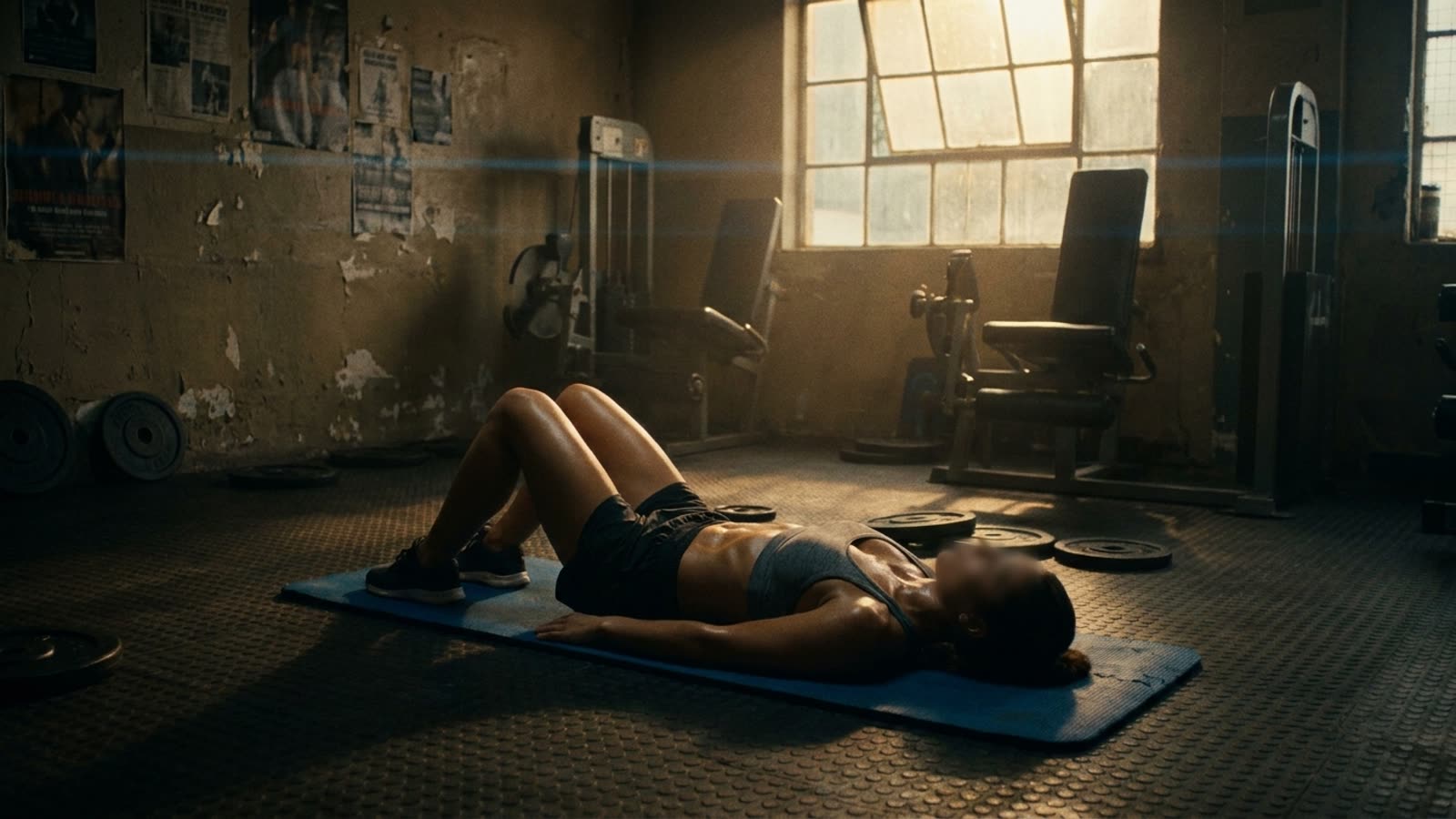
The ab crack—that vertical indentation running down the center of a toned midsection—has returned to prominence across celebrity social media with the quiet inevitability of a fashion cycle completing its rotation. What began as a niche fitness aesthetic in the mid-2010s, briefly condemned as promoting unrealistic body standards, has re-emerged in 2026 with a curious new legitimacy: the wellness industry's imprimatur.
The shift is telling. Where the ab crack once sparked think pieces about dangerous beauty ideals, it now anchors marketing campaigns for boutique Pilates studios and "functional core" programs that promise the look as a byproduct of spinal health. The rebranding is complete.
The anatomy of a trend's resurrection
The ab crack's return follows a familiar pattern in celebrity body aesthetics. A look falls out of favor—usually after sufficient backlash—only to resurface years later with new vocabulary attached. The visible hip bones of the early 2000s became "hip dips" discourse. The thigh gap morphed into discussions of "body neutrality." Now the ab crack has been rehabilitated through the language of core stability and postural alignment.
Trainers at high-end studios in Los Angeles and New York report increased client requests specifically citing the aesthetic, though most frame it in functional terms. The semantic gymnastics are impressive: nobody wants an ab crack, they want "deep core engagement" and "linea alba definition." The result, conveniently, looks identical.
The wellness-industrial complex adapts
What makes this iteration different is the infrastructure that has grown up around body optimization since the ab crack's first moment. A decade ago, achieving the look meant aggressive dieting and targeted exercises shared on Tumblr. Today, it means subscription apps, reformer classes priced like luxury goods, and influencer partnerships with athleisure brands.
The monetization is seamless. A celebrity posts a gym mirror selfie; a trainer tags the studio; the studio promotes a "core sculpting" package; a supplement brand sponsors the whole chain. The ab crack has become a small but functioning economy, insulated from criticism by its wellness framing.
Our take
The ab crack's rehabilitation tells us less about changing beauty standards than about the wellness industry's remarkable capacity for absorption. Any aesthetic, however fraught, can be laundered through the right vocabulary—"functional," "holistic," "intentional"—and emerge as a legitimate pursuit. The body itself hasn't changed, nor have the genetics and low body fat percentages required to display this particular feature. What has changed is our collective willingness to pretend the goal is something other than appearance. The ab crack is honest in a way its marketing never will be: it looks a certain way, and people want to look that way. The elaborate justifications are the real contortion.