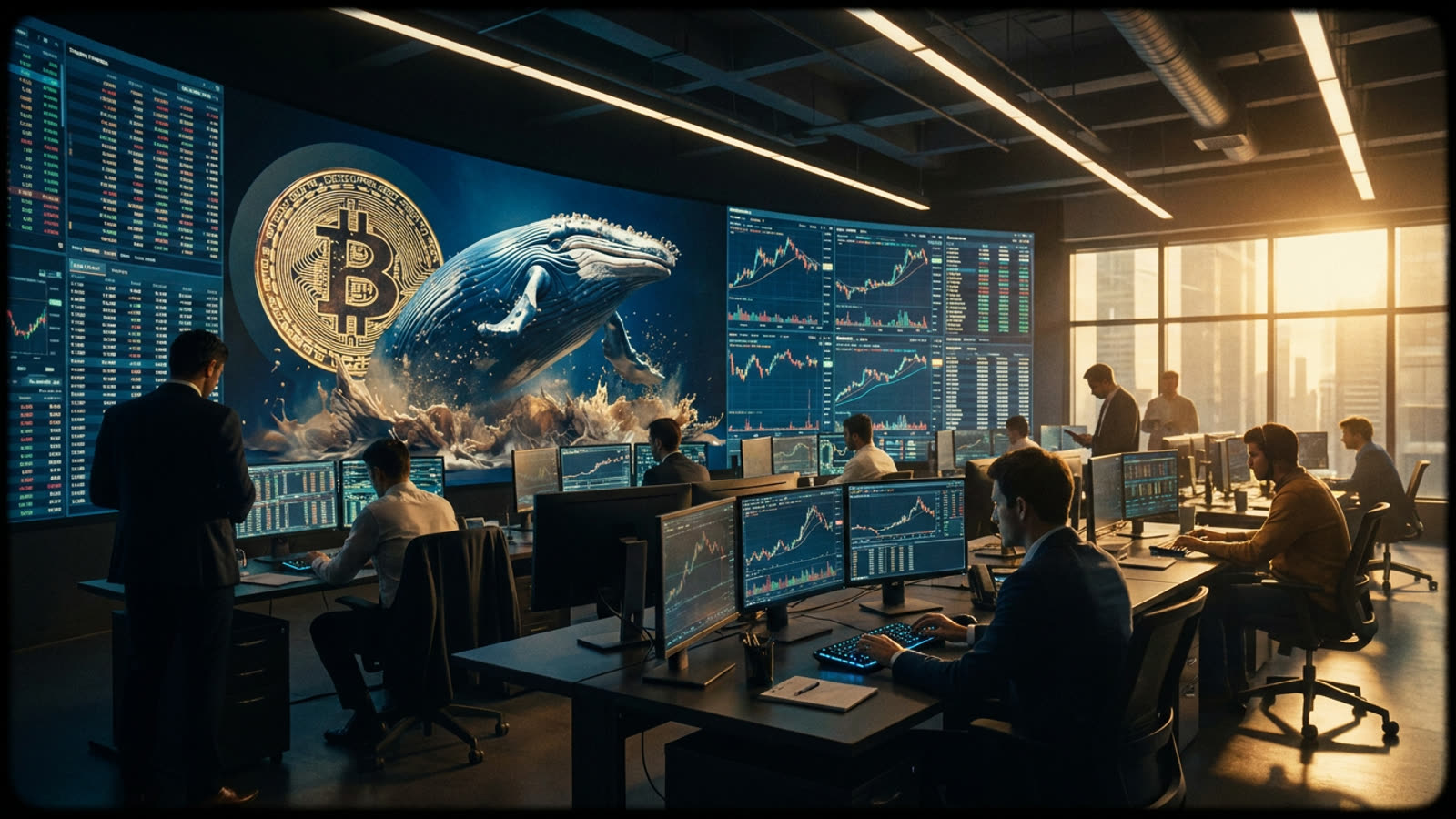
Once upon a time, a dormant Bitcoin wallet from 2010 waking up would send crypto Twitter into paroxysms of speculation. Who is selling? Is Satoshi alive? Is the bottom about to fall out? This week, a wallet that hadn't moved since the earliest days of the network transferred over $200 million in BTC to FalconX and Cumberland — two of the largest institutional prime brokers in digital assets — and the price action was, by historical standards, a yawn.
The muted response tells us more about where crypto sits in 2026 than any ETF flow chart. The market has grown up, or at least grown accustomed to the idea that even the most mythologized holders are, eventually, just sellers.
The anatomy of an ancient move
Onchain analytics firm Onchain Lens flagged the transaction: coins mined in the Satoshi era, untouched for over fifteen years, suddenly routed to two venues that specialize in executing large block trades for institutions. Neither FalconX nor Cumberland commented, which is standard practice. The destination matters: these aren't retail exchanges where a dump would crater the order book. Prime brokers exist precisely to absorb size without moving the tape.
The identity of the wallet owner remains unknown. Speculation ranges from an early miner finally cashing out to an estate liquidation. What's notable is how little the mystery matters to price. Bitcoin traded sideways through the news cycle, holding above its recent range.
Why the market shrugged
Three years ago, this would have been a five-alarm fire. The difference now is liquidity depth and market structure. Spot Bitcoin ETFs hold hundreds of billions in assets. Strategy alone sits on a corporate treasury north of $65 billion in BTC. The marginal impact of even a $200 million sell is diluted across a vastly larger pool of buyers.
There's also a psychological shift. The narrative that early holders are diamond-handed true believers has given way to a more pragmatic understanding: everyone has a price, and long-term holders realizing gains is a feature, not a bug, of a maturing asset class. The coins don't disappear; they just change hands.
Our take
The Satoshi-era whale story is a useful Rorschach test. If you see bearish distribution, you're probably still thinking in 2021 market terms. If you see routine portfolio rebalancing facilitated by institutional infrastructure, you're closer to the reality of 2026. The crypto market hasn't outgrown volatility, but it has outgrown the superstition that ancient wallets are oracles. They're just wallets.