The prediction market industry spent the past two years convincing Washington it was a public good—a transparent, decentralized oracle for everything from election outcomes to Fed rate decisions. Now Congress wants to know whether that oracle has been rigged.
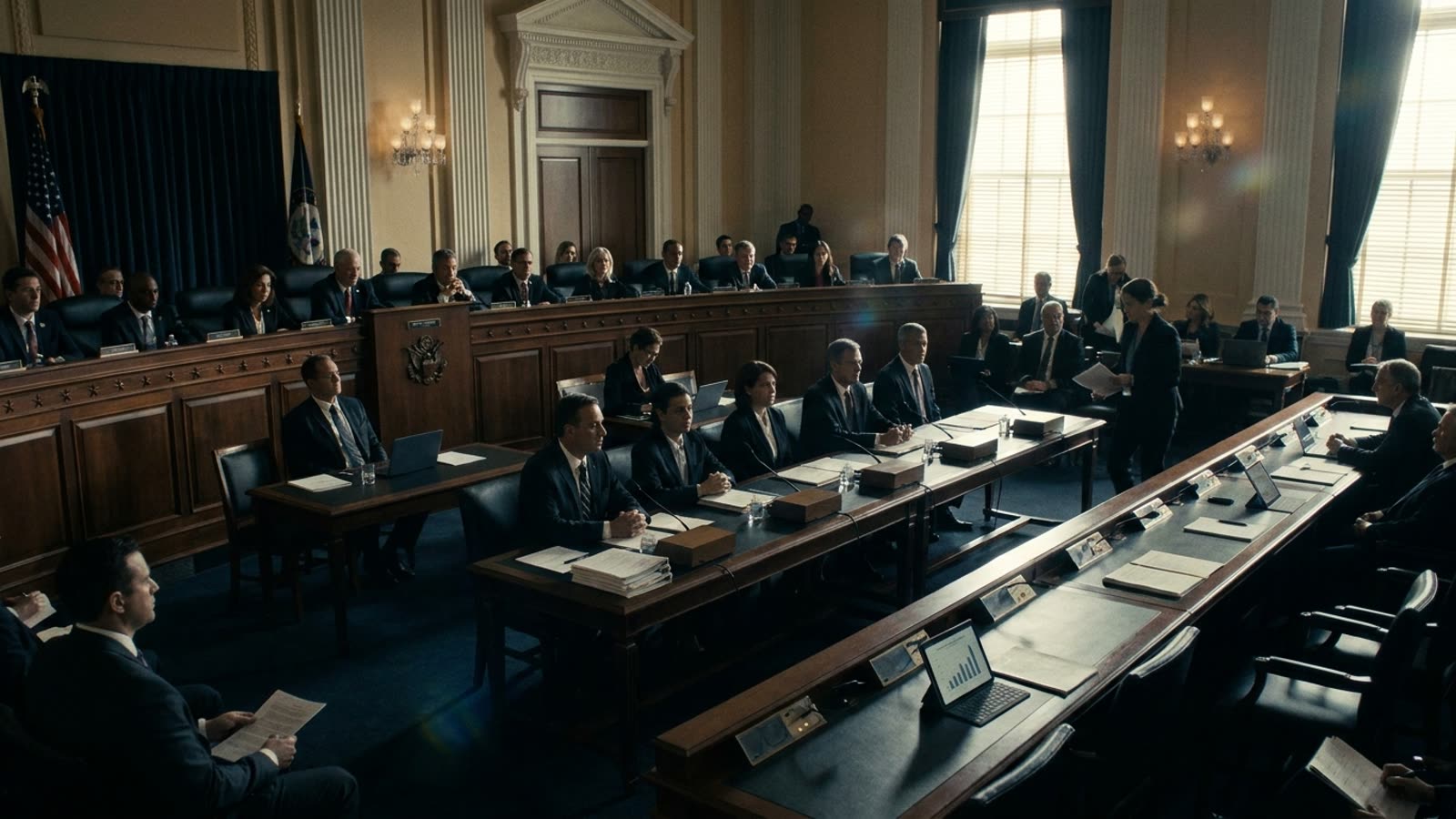
A joint investigation by the Senate Banking Committee and House Financial Services Committee has opened a formal insider trading probe into Polymarket and Kalshi, the two dominant platforms in the space. The inquiry, confirmed by committee spokespeople this weekend, will examine whether traders with non-public information—campaign staffers, government officials, or their associates—have systematically profited from early knowledge of political developments.
The case for suspicion
Prediction markets have always operated in a regulatory gray zone, but their explosive growth during the 2024 and 2026 election cycles made scrutiny inevitable. Polymarket, which operates offshore and serves U.S. users through a legal fiction involving VPNs, processed billions in political betting volume. Kalshi, the CFTC-regulated alternative, won a landmark court victory allowing it to list election contracts but now faces questions about whether its compliance framework is robust enough to detect manipulation.
The committees are reportedly examining several suspicious trading patterns: large positions taken hours before major endorsements, unusual volume preceding policy announcements, and coordinated activity across wallets that may represent a single actor. None of this proves wrongdoing, but the circumstantial case is substantial enough that congressional investigators believe subpoenas are warranted.
The industry's defense
Prediction market advocates argue that the platforms are self-policing by design. Prices aggregate information from thousands of participants; any single actor with inside knowledge would move the market only marginally, and their trades would be visible on-chain (in Polymarket's case) or in regulatory filings (in Kalshi's). The industry's position is that prediction markets are harder to manipulate than traditional securities precisely because they are so transparent.
This argument has limits. On-chain transparency means nothing if pseudonymous wallets cannot be linked to real-world identities. And Kalshi's regulatory filings, while more rigorous, are not designed to detect the kind of political intelligence that might constitute insider trading in a prediction market context—a category of misconduct that existing securities law does not clearly address.
What comes next
The probe is unlikely to produce criminal referrals quickly; the legal framework for prosecuting prediction market manipulation barely exists. But the investigation itself will have consequences. Polymarket may face renewed pressure to block U.S. users more aggressively. Kalshi could see its CFTC approval revisited. And the broader industry—which had hoped to expand into corporate earnings, sports, and scientific predictions—will find its lobbying efforts complicated by the specter of congressional hearings.
Our take
Prediction markets are genuinely useful, and their information-aggregation properties are real. But the industry's libertarian conviction that transparency equals integrity was always naive. Markets that let people bet on political outcomes will attract people with political information, and some of those people will cheat. Congress is not wrong to ask whether the platforms have done enough to prevent it. The answer, almost certainly, is no.