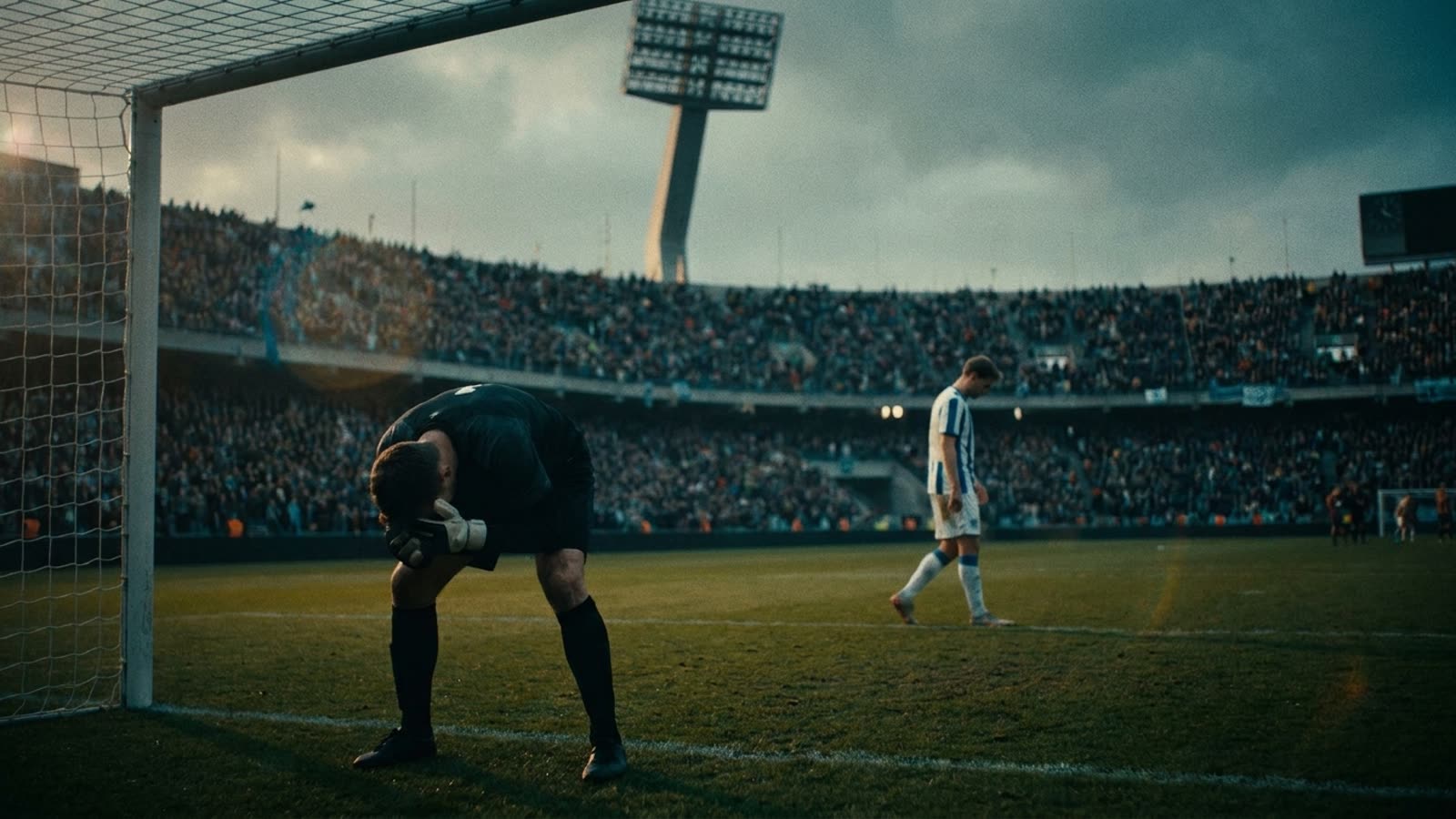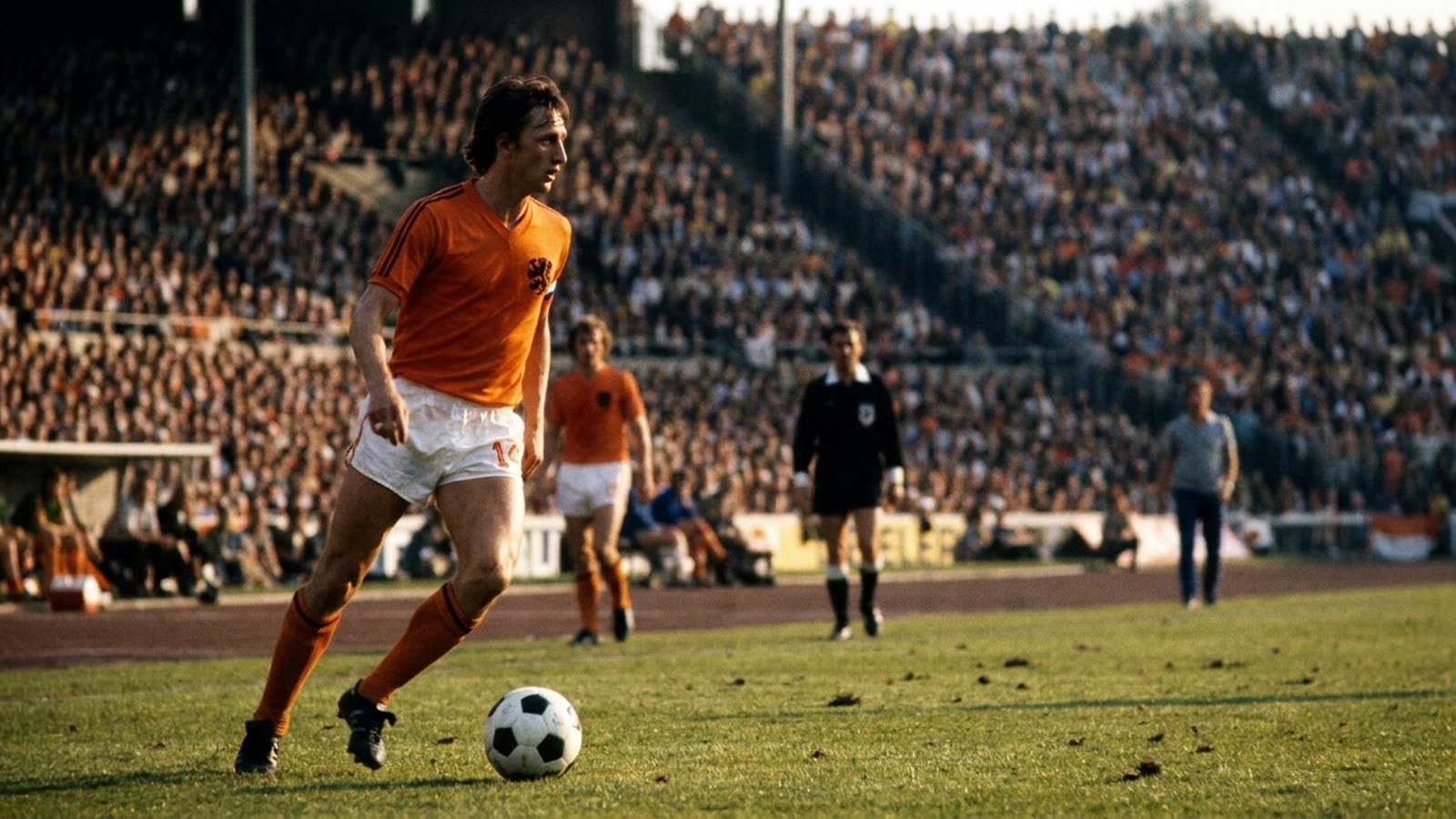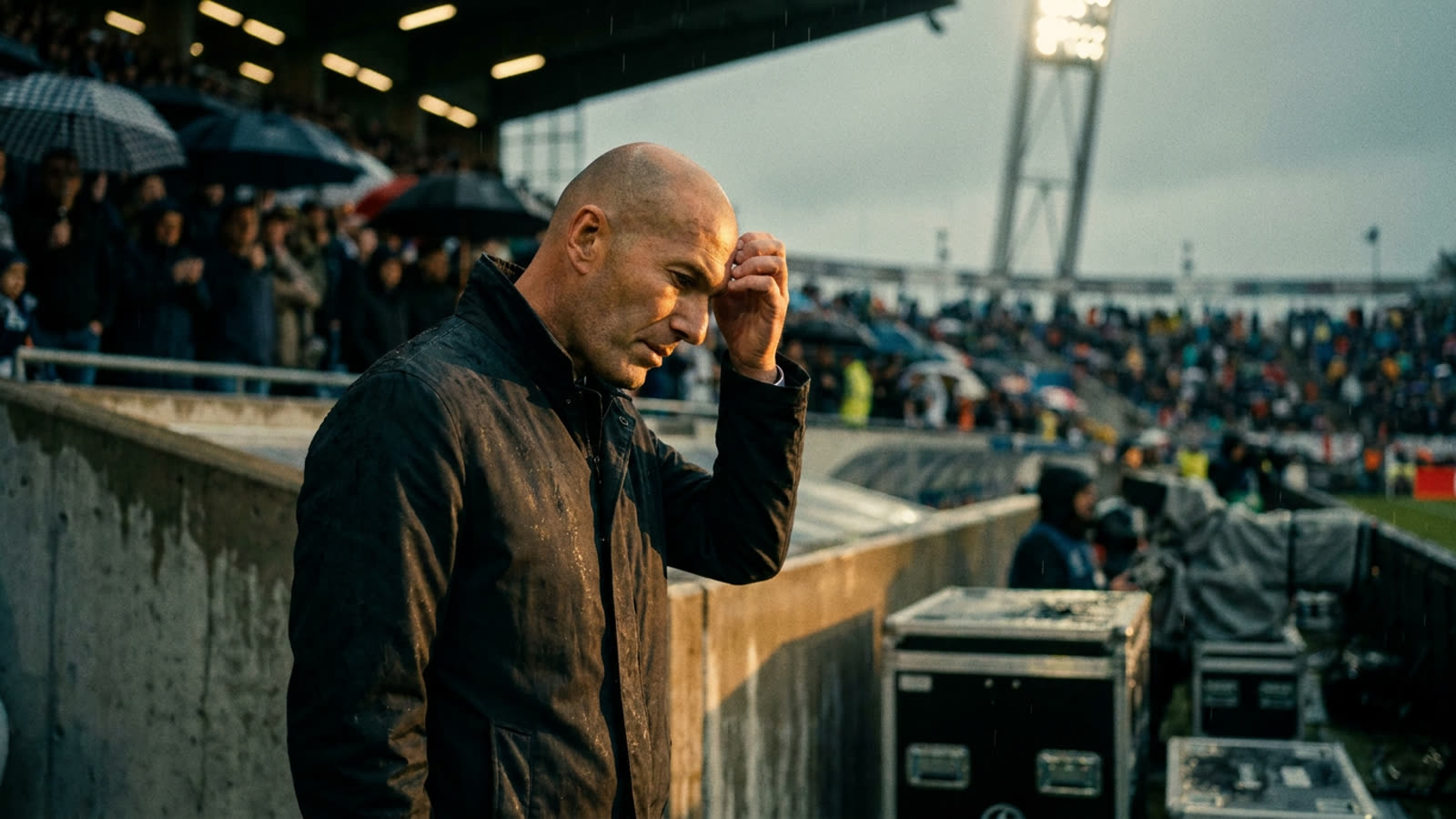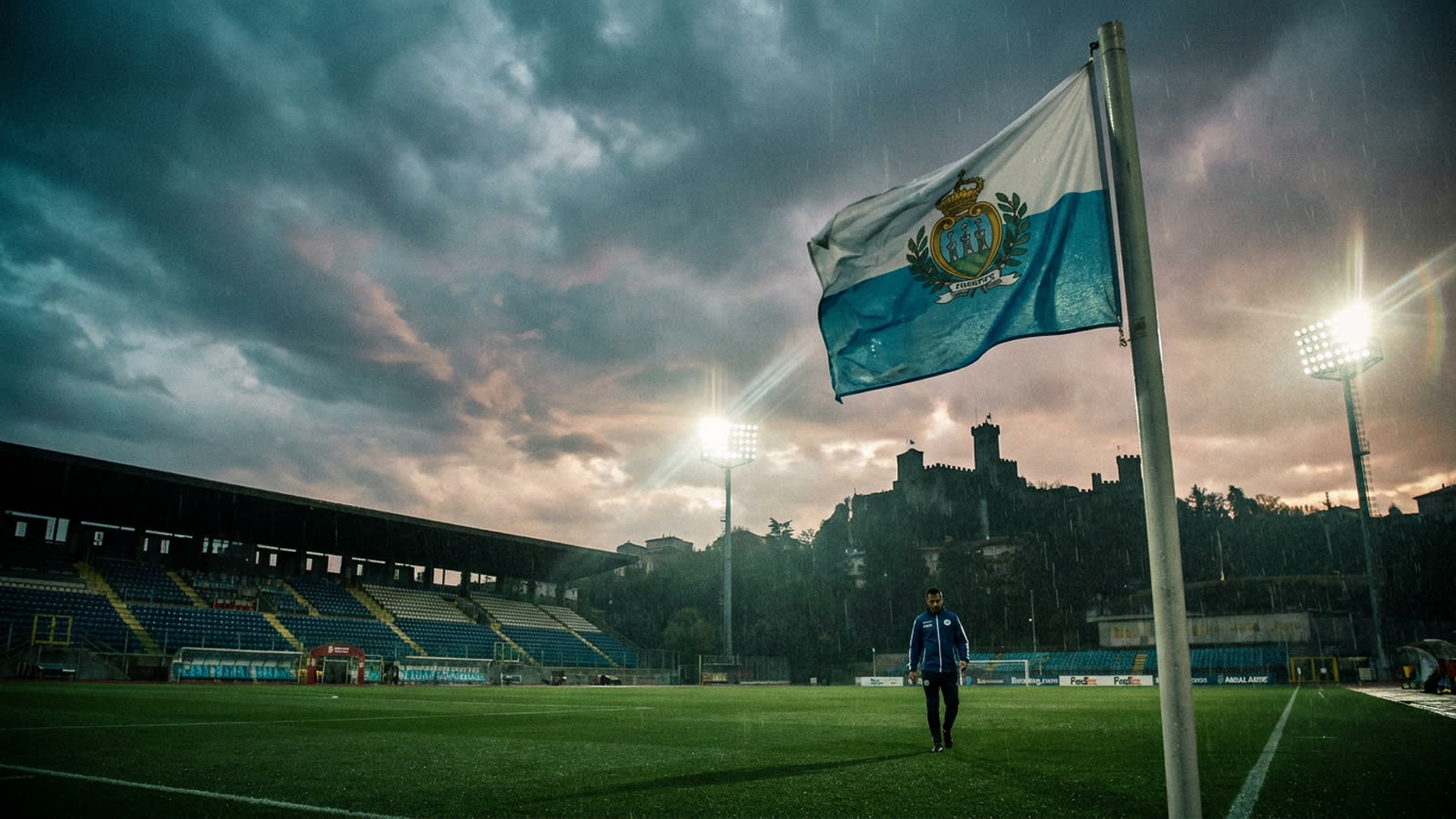
A country with fewer residents than a mid-sized university campus will compete against nations of hundreds of millions, and that sentence alone explains why the 2026 World Cup already belongs to San Marino before a ball has been kicked in their group.
The Serenissima Repubblica — population 33,931 at last count — has spent four decades as international football's most reliable punchline. Before this qualifying cycle, San Marino had won exactly two competitive matches in its entire history, both against Liechtenstein, both by a single goal. The team once lost 13-0 to Germany. Their all-time goal difference in competitive fixtures was somewhere around negative 300. Bookmakers routinely offered odds of 1000-1 against them winning any given match.
Now they are here, in the expanded 48-team tournament, having navigated a qualifying path that included a shock 1-0 victory over Luxembourg and a draw against Malta that sent the island nation's federation into administrative meltdown.
The economics of footballing irrelevance
San Marino's football association operates on an annual budget roughly equivalent to what a mid-table Premier League club spends on a single backup goalkeeper. The national team draws from a pool of approximately 1,200 registered adult male players — meaning roughly one in every 28 men in the country is theoretically eligible for selection. The domestic league, the Campionato Sammarinese, features 15 clubs competing for a population that could fit comfortably inside a single stand at Old Trafford.
Yet this scarcity has produced something unexpected: a generation of players who grew up expecting nothing and therefore feared nothing. The current squad's average age is 27, and most of them have played together since youth level. They know each other's movements the way siblings know each other's moods.
What qualification actually means
The financial implications are staggering by San Marino's standards. FIFA's participation payments for the 2026 tournament guarantee each qualifying nation a minimum of $9 million. For context, San Marino's entire government budget runs to approximately $800 million annually. A single World Cup appearance represents a windfall that could fund the football association's operations for decades.
More importantly, the qualification has already transformed the micro-state's relationship with the sport. Youth registrations have tripled since the qualifying campaign began. The government has announced plans for a new 6,000-seat stadium — nearly 20 percent of the country's population could attend simultaneously.
The group stage reality
San Marino has been drawn into Group F alongside Argentina, Nigeria, and Canada. The odds of advancing remain astronomical. But the team's coach, a 58-year-old former Italian Serie B midfielder, has been characteristically blunt: the objective is not advancement but dignity. One goal scored. One moment where the smallest country in World Cup history makes the largest nations pause.
Our take
Football's beauty has always resided in its theoretical democracy — the idea that on any given day, any team can beat any other. San Marino's presence in this tournament is the logical extreme of that premise, and also its most romantic expression. They will almost certainly lose every match. They will almost certainly be outshot by margins that look like basketball scores. None of that matters. For one month, a country smaller than most football stadiums will share a stage with Brazil and Argentina and Germany, and the sheer improbability of that fact is worth more than any result.