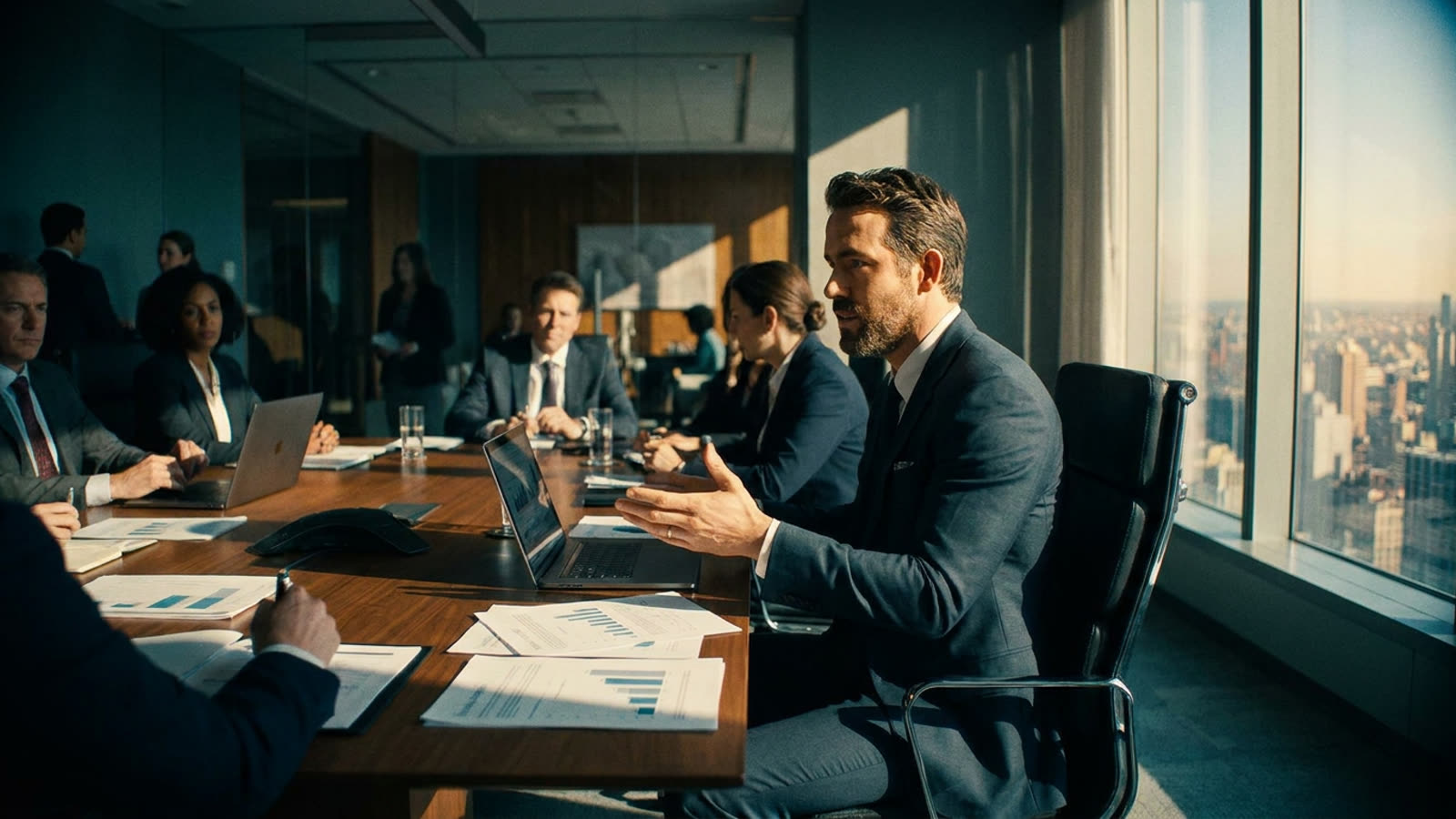
Most A-list actors treat brand deals as necessary evils — lucrative embarrassments to be filmed quickly in Tokyo and never mentioned at home. Ryan Reynolds treats them as the main event.
The 49-year-old Canadian has spent the better part of a decade building something Hollywood rarely sees: a genuine business empire that doesn't depend on his face appearing in franchise tentpoles. Aviation Gin, sold to Diageo in 2020 for a reported $610 million. Mint Mobile, acquired by T-Mobile in 2023. Maximum Effort, his marketing agency, now produces campaigns for everyone from Peloton to Match.com. The pattern is unmistakable: Reynolds doesn't endorse products, he acquires equity stakes and then becomes the product's chief creative officer, writing the ads himself with the deadpan irony that made Deadpool a phenomenon.
The anti-celebrity playbook
What distinguishes Reynolds from the parade of celebrities launching tequila brands and skincare lines is his apparent understanding that celebrity endorsement is a depreciating asset. Fame fades; equity doesn't. His deals are structured not as spokesperson arrangements but as partnerships where he takes meaningful ownership positions in exchange for his creative involvement and promotional reach. When Mint Mobile sold, Reynolds didn't just collect an endorsement fee — he reportedly walked away with hundreds of millions as a stakeholder.
This model inverts the traditional celebrity-brand relationship. Instead of lending credibility to products, Reynolds extracts value from his own cultural capital before it diminishes. He's essentially securitizing his fame.
The Blake factor
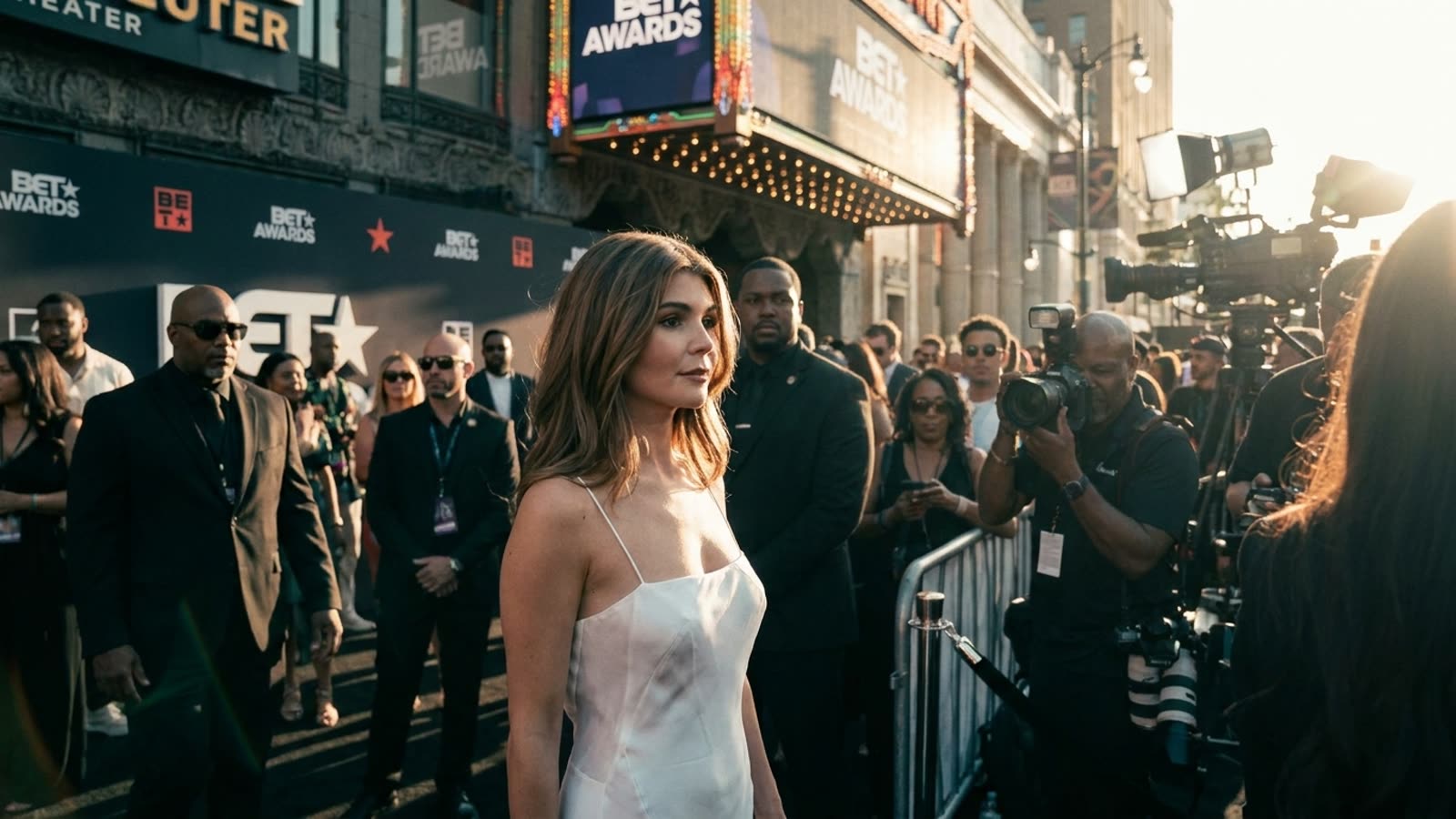
His wife Blake Lively has clearly been taking notes. Her haircare line, Blake Brown, launched last year to considerable buzz, and her beverage company Betty Buzz (named after her late father) has carved out shelf space in the premium mixer market. The Reynolds-Lively household now resembles less a celebrity couple and more a private equity firm with excellent bone structure. Their recent appearances together — including their characteristic red-carpet chemistry — increasingly feel like joint investor presentations.
Our take
Reynolds has grasped something most of his peers haven't: in the streaming era, where theatrical stardom matters less and IP matters more, the smartest play for an aging leading man isn't chasing the next franchise — it's building businesses that generate returns long after the camera stops rolling. He may be the first movie star to realize that the real sequel money isn't in Deadpool 4. It's in the companies he'll still own when no one remembers Deadpool at all.