The influencer redemption playbook has a well-worn script by now: lay low, resurface on a sympathetic podcast, pivot to wellness content, and wait for the internet's attention span to expire. Olivia Jade Giannulli has followed it with unusual discipline.
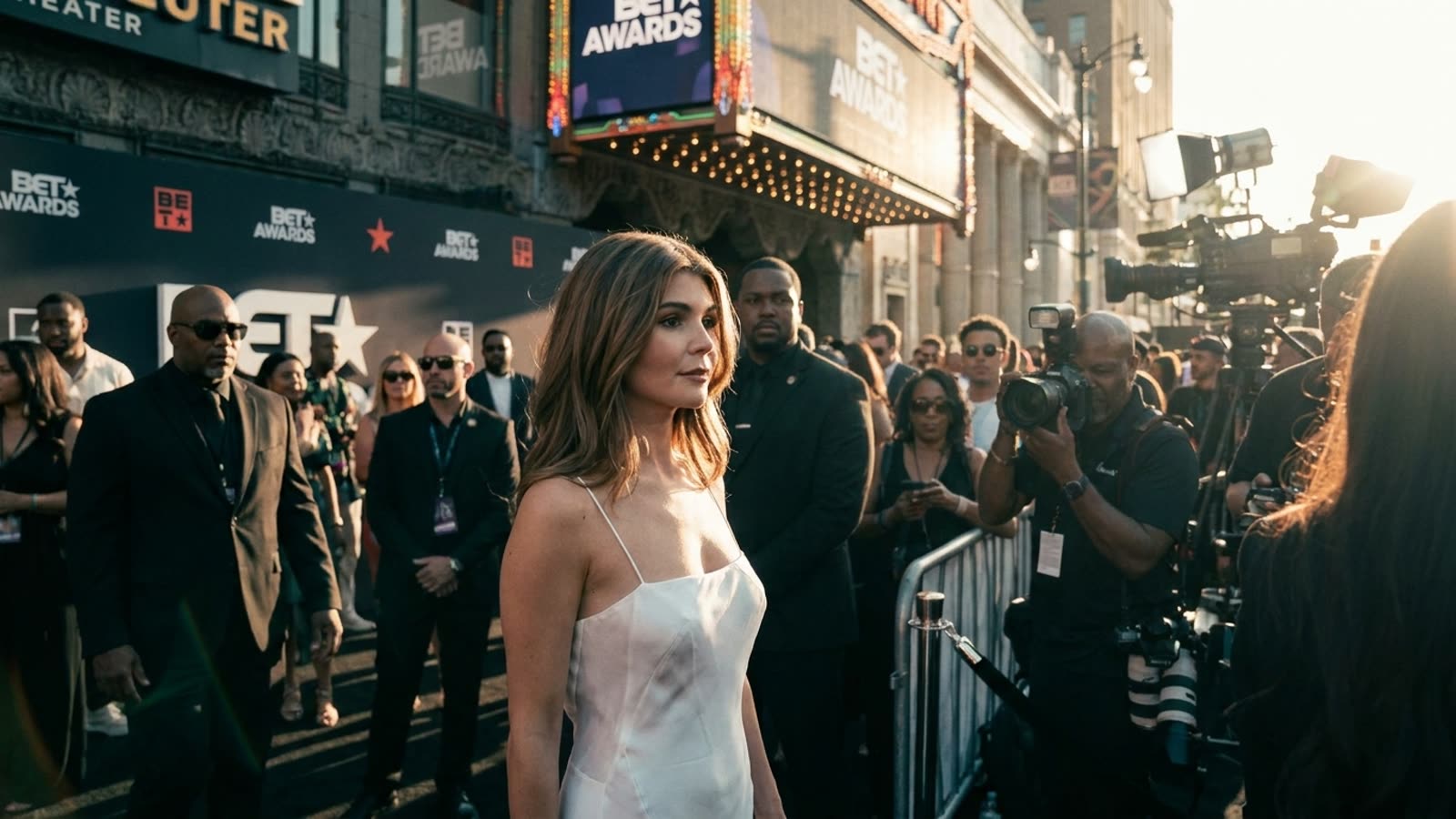
Her appearance at the BET Awards this week—captured in the kind of "sexy summer" content roundup that treats celebrity sightings like Pokémon—marks another calculated step in what has become one of the more methodical brand rehabilitations in recent influencer history. The 26-year-old daughter of actress Lori Loughlin and fashion designer Mossimo Giannulli has spent half a decade climbing out of a hole her parents' wire fraud convictions dug for her.
The long road from punchline to red carpet
When federal prosecutors unsealed the Varsity Blues indictment in March 2019, Olivia Jade was a beauty influencer with nearly two million YouTube subscribers and lucrative partnerships with Sephora and TRESemmé. Within weeks, she had lost both. Her mother would eventually serve two months in federal prison; her father, five.
The younger Giannulli's own culpability—she posed on a rowing machine for a fake athletic profile despite never having competitively rowed—was never criminally charged but became cultural shorthand for privilege run amok. Her pre-scandal complaint that she was "not really" interested in school, just "the game days" and "partying," aged catastrophically.
The rehabilitation formula
What followed was textbook crisis management executed with surprising patience. A 2020 appearance on "Red Table Talk" with Jada Pinkett Smith offered the requisite mea culpa. A stint on "Dancing with the Stars" in 2021 provided the humanizing "she's actually quite likable" narrative. The YouTube channel pivoted from hauls and tutorials to vaguer lifestyle content—less aspirational consumption, more relatable twenty-something drift.
By 2023, she had quietly rebuilt her following. By 2024, she was dating a member of a prominent family without the relationship becoming a scandal story. Now, in 2026, she appears at awards shows and lands in "hot girl summer" slideshows alongside Simone Biles and Zendaya—women whose fame derives from actual achievement rather than notoriety.
The economics of forgetting
The influencer economy has always been forgiving of those who wait out the news cycle. But Olivia Jade's case is instructive because the scandal was so specific and so damning—not a DUI or an ill-advised tweet, but documentary evidence of a family purchasing access to an elite university while displacing qualified applicants.
That she has managed to return to the same industry that expelled her, with a following that now exceeds her pre-scandal peak, suggests the half-life of public outrage is shorter than the half-life of parasocial attachment. The same audience that once demanded accountability now double-taps her bikini photos without cognitive dissonance.
Our take
There is something almost admirable about the sheer professionalism of Olivia Jade's comeback—the absence of self-pity, the refusal to over-explain, the understanding that time and consistency matter more than any single apology. But it also reveals the uncomfortable truth that influencer fame operates on different moral physics than the rest of public life. Her parents committed federal crimes to get her into USC. She never graduated. And now she is, once again, being paid to exist attractively in public. The system works exactly as designed, which is perhaps the most damning thing one can say about it.