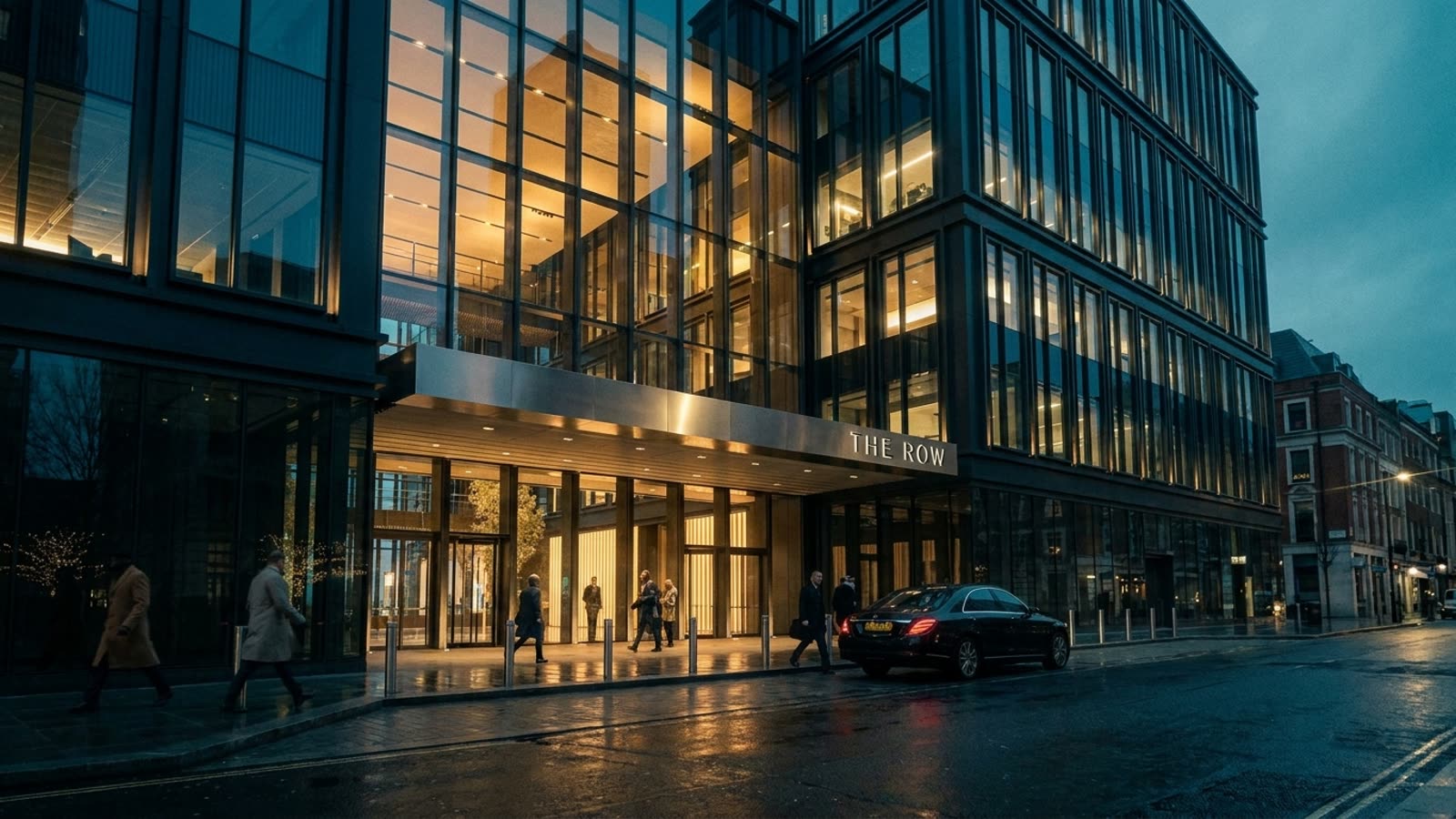
The phrase "quiet luxury" entered the mainstream lexicon as if it described something new, when in fact it named something very old: the terror of appearing nouveau riche. What the fashion industry marketed as a fresh aesthetic direction was really a centuries-old class signifier repackaged for an era when everyone could see everyone else's purchases on Instagram.
The premise is simple enough. Eschew visible logos. Favor cashmere over polyester, beige over neon, Brunello Cucinelli over Balenciaga. The Row over Gucci. Whisper rather than shout. But the quiet part was never actually quiet—it required an audience sophisticated enough to recognize the whisper, which meant it was always, fundamentally, a performance for other wealthy people.
The genealogy of not trying too hard
This anxiety has deep roots. The American sociologist Thorstein Veblen identified "conspicuous consumption" in the Gilded Age, but what followed was equally interesting: conspicuous non-consumption, the studied casualness of old money that signaled belonging precisely by appearing not to care. The British aristocracy perfected this centuries earlier—the frayed cuffs, the ancient Land Rover, the house that hadn't been redecorated since the war. The message was always the same: we don't need to prove anything.
What changed in the digital era was visibility. When a hedge fund manager's wife could be photographed in the same Hermès Birkin as a reality television star, the Birkin stopped functioning as a class marker. The solution wasn't to abandon expensive things but to abandon recognizable expensive things. Hence the rise of brands that charged Hermès prices for items that looked, to the untrained eye, like something from a mid-range department store.
The economics of looking effortless
The business model is ingenious. A cashmere sweater from The Row might cost several thousand dollars and look nearly identical to one costing a fraction of that sum. The value proposition isn't the garment—it's the knowledge. Knowing which beige sweater costs more, knowing where to buy it, knowing that the person across the restaurant also knows. This is fashion as secret handshake, and it requires constant education to maintain membership.
The irony is that quiet luxury demands more attention than loud luxury ever did. A logo screams its provenance; an unmarked garment requires you to notice the fabric weight, the seam finishing, the precise shade of greige. It's exhausting, which is rather the point. Only people with significant leisure can devote this much energy to appearing not to care.
Our take
Quiet luxury will endure because the anxiety that drives it will endure. As long as there are people with new money desperate to be mistaken for people with old money, there will be a market for expensive things that look cheap to everyone except the people they're meant to impress. The aesthetic isn't really about minimalism or quality or sustainability, whatever the marketing copy claims. It's about the oldest status game of all: belonging to a club that doesn't need to advertise its membership. The clothes are just the costume.