The paradox of modern wealth is that it buys almost everything except scarcity. A teenager with a credit card can book the same suite at Claridge's that once required a letter of introduction. The Hermès website, theoretically, is open to all. Michelin-starred restaurants take reservations from anyone with a phone. Into this democratized landscape, the private members' club has returned with renewed vigor—not as a relic of aristocratic gatekeeping, but as a solution to a distinctly contemporary problem: the loneliness of the successful.
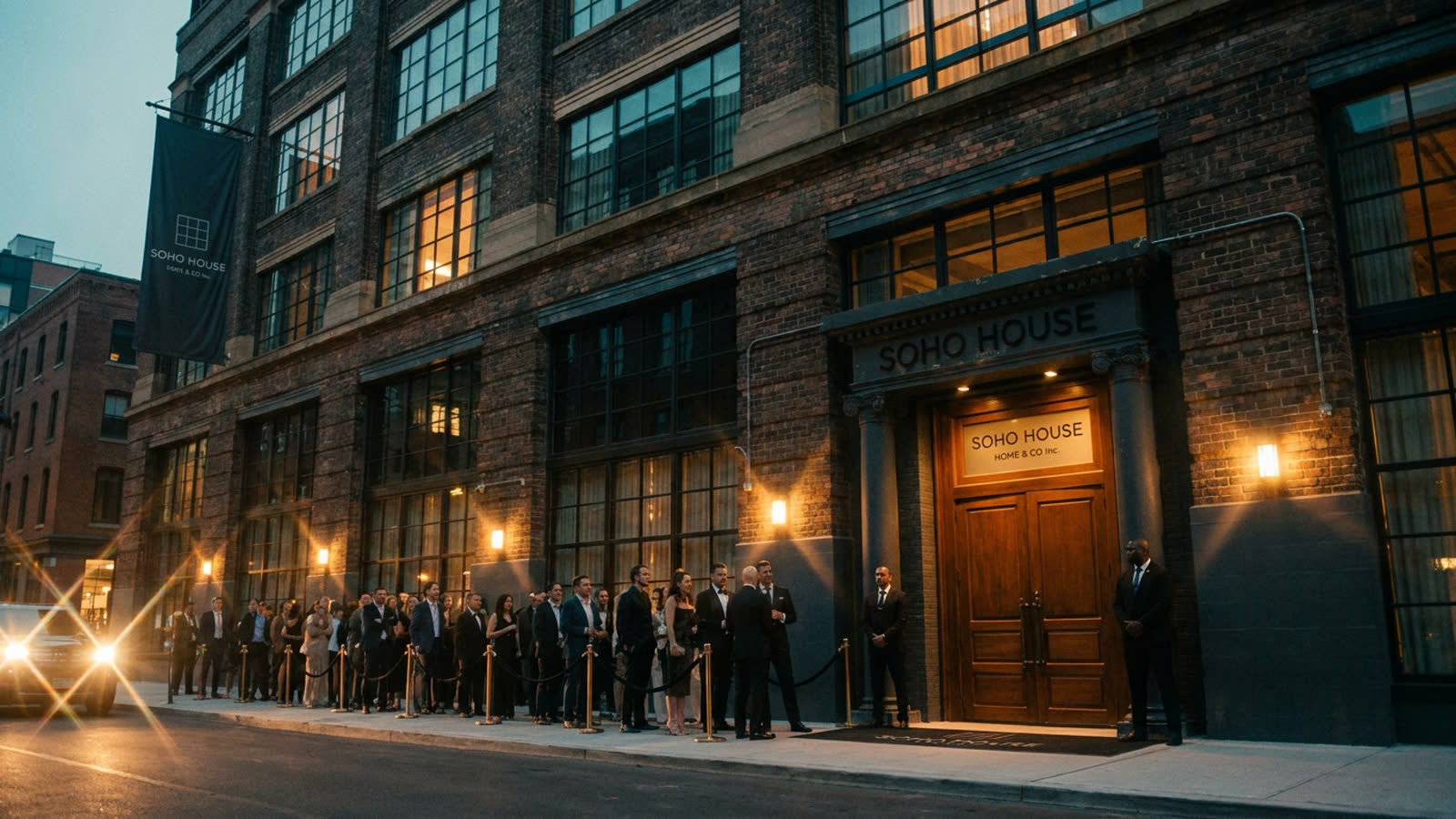
The new wave of clubs understands that their product is not marble floors or craft cocktails, though both are typically present. It is curation—the promise that everyone you encounter has cleared some invisible bar of achievement, taste, or cultural capital. Soho House, which began in a London townhouse in 1995, now operates dozens of locations worldwide, each carefully calibrated to attract creative professionals who might otherwise never meet. The Battery in San Francisco draws tech founders. Zero Bond in Manhattan collects the media and fashion set. Spring Place offers workspace alongside its social amenities, acknowledging that for many members, networking is the point.
The economics of belonging
Membership fees vary wildly—from a few thousand dollars annually to initiation costs exceeding six figures at the most rarefied establishments—but the business model is remarkably consistent. Clubs generate revenue not primarily from dues but from food, beverages, and events consumed by members who visit frequently because they feel ownership over the space. The genius lies in creating an environment sufficiently appealing that members treat it as an extension of their living room, running up tabs that dwarf their annual fees.
The application process itself is part of the value proposition. Rejection rates at sought-after clubs hover around 60 to 80 percent, though precise figures are closely guarded. Committees evaluate not just wealth but professional accomplishment, creative output, and that ineffable quality sometimes called "cultural contribution." The scrutiny serves a dual purpose: it maintains the membership composition that justifies the fees, and it transforms acceptance into an achievement worth celebrating.
What the algorithm cannot provide
The resurgence of physical clubs reflects a broader disillusionment with digital community. Social media promised connection but delivered performance. LinkedIn networking feels transactional. Dating apps reduced romance to a swipe. The members' club offers something increasingly rare: serendipitous encounters with interesting strangers in an environment designed for lingering. No notifications interrupt. No algorithm determines who appears in your field of vision.
Clubs have also become sanctuaries from the relentless documentation of modern life. Most enforce strict no-photography policies in common areas, creating spaces where public figures can relax without appearing on someone's Instagram story. This discretion has made clubs essential infrastructure for certain industries—entertainment, finance, politics—where deals are discussed and relationships formed away from public scrutiny.
Our take
There is something faintly absurd about paying substantial sums for the privilege of being deemed worthy of paying substantial sums. Yet the members' club answers a genuine need that the market otherwise fails to meet. Cities are full of places to eat, drink, and work, but vanishingly few where accomplished strangers might become friends. The velvet rope, for all its elitist connotations, creates the container that makes such alchemy possible. Whether this represents a healthy adaptation to atomized modern life or a troubling retreat into credentialed enclaves depends largely on which side of the rope you stand.