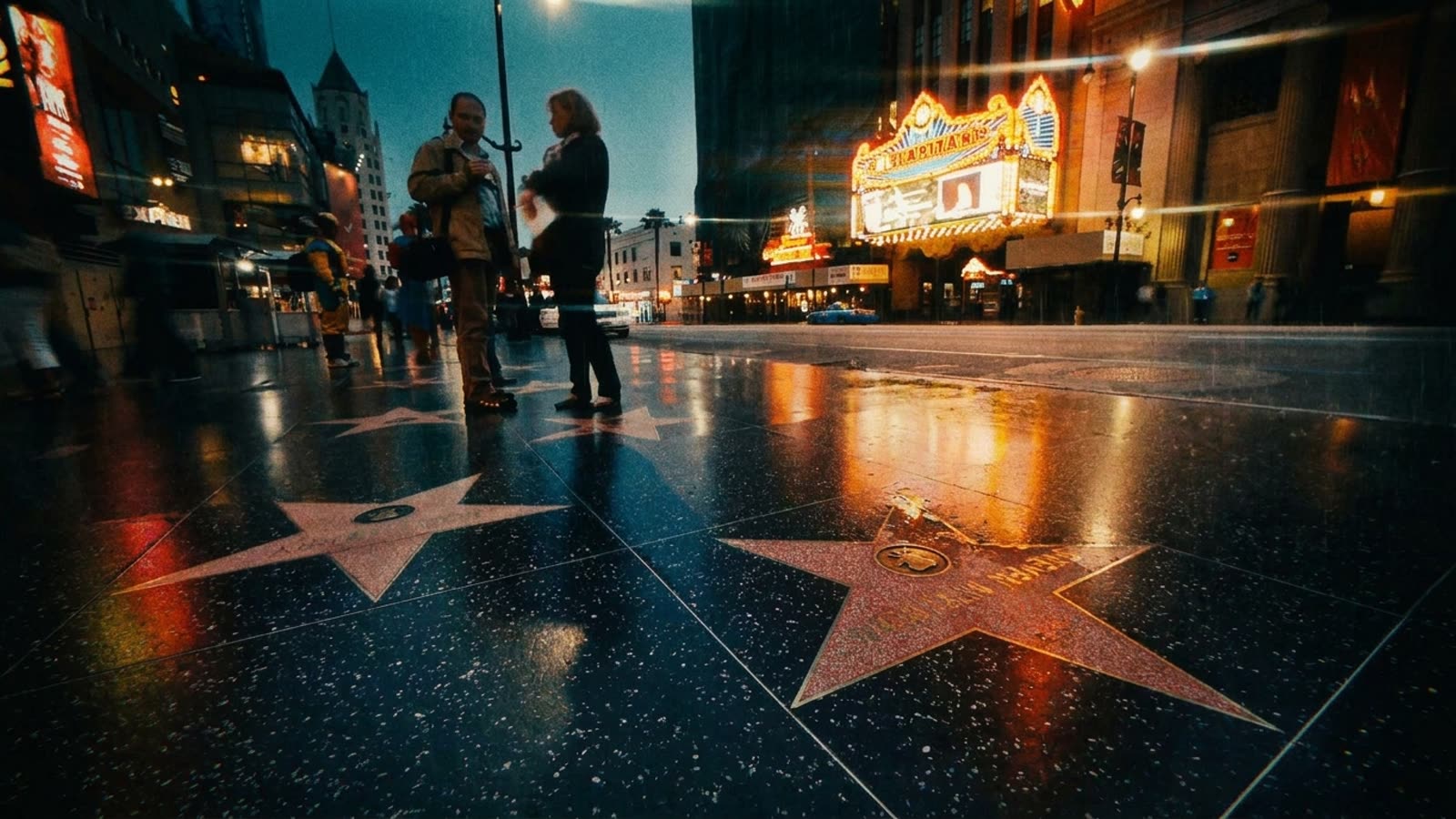
The Hollywood Walk of Fame added another batch of bronze-and-terrazzo stars this week, continuing a tradition that says more about the economics of celebrity than any box-office chart ever could. The ceremony, complete with velvet ropes and tearful acceptance speeches, maintained the fiction that these sidewalk plaques are bestowed rather than purchased.
They are not. The Walk of Fame operates on a simple transactional basis: someone—usually a studio, record label, or management company—pays the Hollywood Chamber of Commerce $75,000, and in return, their client gets to kneel beside a freshly installed star while photographers capture the moment for posterity. The fee covers the cost of the star itself, the ceremony, and perpetual maintenance. What it really buys is something harder to price: the appearance of institutional validation.
The business model nobody discusses
The Chamber of Commerce selects roughly 20 to 25 honorees annually from hundreds of applications. Nominees must demonstrate "professional achievement" and "community contributions," but the real gatekeeping happens at the checkbook. Studios time star ceremonies to coincide with film releases; record labels schedule them around album drops. The Walk of Fame is, in essence, a marketing expense disguised as an honor—one that comes with guaranteed media coverage and a permanent advertisement embedded in one of the world's most-photographed sidewalks.
This arrangement has produced some curious outcomes. Julia Roberts declined her star for years, reportedly uncomfortable with the pay-for-play structure. George Clooney has never received one. Meanwhile, the sidewalk hosts stars for figures ranging from Apollo Creed (the fictional boxer) to various corporate mascots. The selection criteria are elastic enough to accommodate whoever can write the check.
Why it still matters
The remarkable thing about the Walk of Fame is not that it's transactional—most honors in Hollywood are—but that the transaction has done nothing to diminish its cultural power. Tourists still photograph the stars. Celebrities still weep at their ceremonies. Entertainment journalists still cover each unveiling as if it were a genuine accolade rather than a purchased placement.
This persistence speaks to something fundamental about how fame operates in the twenty-first century. The distinction between earned recognition and manufactured prestige has collapsed so thoroughly that the difference no longer registers. A star on Hollywood Boulevard functions the same way whether it was "awarded" or bought, because the audience consuming it doesn't care about the mechanism—only the result.
Our take
The Walk of Fame is honest in its dishonesty, which is more than can be said for most of the entertainment industry's self-congratulation apparatus. At least here, the price is public. The $75,000 fee is a bargain compared to what studios spend on awards-season campaigns, and the return on investment—permanent real estate in the global imagination—is arguably better. If Hollywood is going to sell prestige, it might as well do so on a sidewalk where everyone can see the transaction happening.