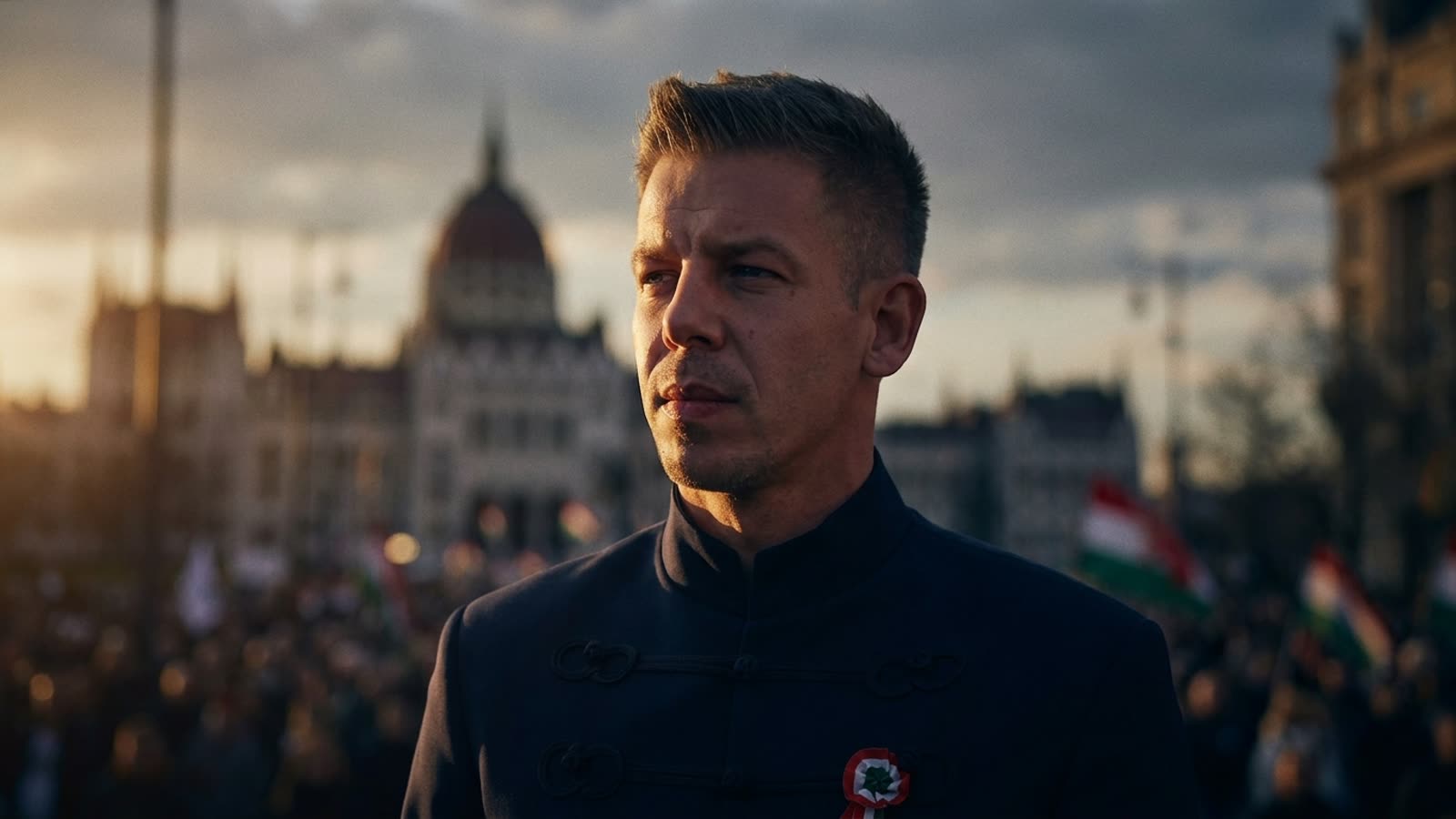
The most successful authoritarian project in modern European history ended not with a bang but with a ballot box. Peter Magyar, the former Fidesz insider turned opposition leader, has officially taken power in Hungary after a landslide election that few outside Budapest's liberal enclaves dared to predict even six months ago. Viktor Orban, the man who proudly coined "illiberal democracy" as a governing philosophy and spent sixteen years proving it could work inside the European Union, is out.
The symbolism is rich. Magyar, 43, was once part of Orban's machine—married to a former justice minister, embedded in the networks of patronage and media control that made Fidesz seemingly invincible. His defection last year, accompanied by leaked recordings and explosive corruption allegations, cracked the facade. That a regime insider became its executioner says something about how these systems ultimately fail: not from external pressure, but from internal rot.
The inheritance
Magyar inherits a state apparatus purpose-built for one-party rule. Orban's constitutional changes require two-thirds majorities to undo. The judiciary has been packed with loyalists whose terms extend years into the future. State media remains a propaganda arm that will not pivot overnight. Billions in EU funds, frozen over rule-of-law concerns, remain in limbo pending Brussels' assessment of whether Hungary's new government is genuinely reformist or merely cosmetically different.
The economy presents its own challenges. Hungary's GDP growth has stalled, inflation remains elevated, and the forint has weakened against the euro. Orban's late-period pivot toward China and Russia—including blocking EU sanctions and delaying NATO decisions—has left Hungary diplomatically isolated among its Western allies. Magyar has promised a return to the European mainstream, but repairing those relationships will require more than rhetoric.
The European test case
What happens in Budapest matters far beyond Hungary's borders. For years, Orban served as proof of concept for democratic backsliding within the EU's institutional framework. Poland's Law and Justice party studied his playbook. Italy's Giorgia Meloni borrowed his rhetoric. Even American conservatives made pilgrimages to Budapest to learn how a Western democracy could be hollowed out while maintaining the appearance of legitimacy.
If Magyar succeeds in reversing Orban's changes—restoring judicial independence, freeing the press, unwinding the crony networks—he provides a counter-template. Democratic erosion, it would prove, is not a one-way street. But if he fails, or if he simply becomes Orban with better PR, the lesson is darker: once these systems take root, they cannot be uprooted through elections alone.
Our take
Magyar deserves cautious optimism, not celebration. He is untested, his coalition is fragile, and the structural obstacles are immense. But the mere fact of a peaceful transfer of power in Hungary—something that seemed almost unimaginable two years ago—is itself significant. Orban built his system to be permanent. It wasn't. That matters, even if what comes next remains uncertain.