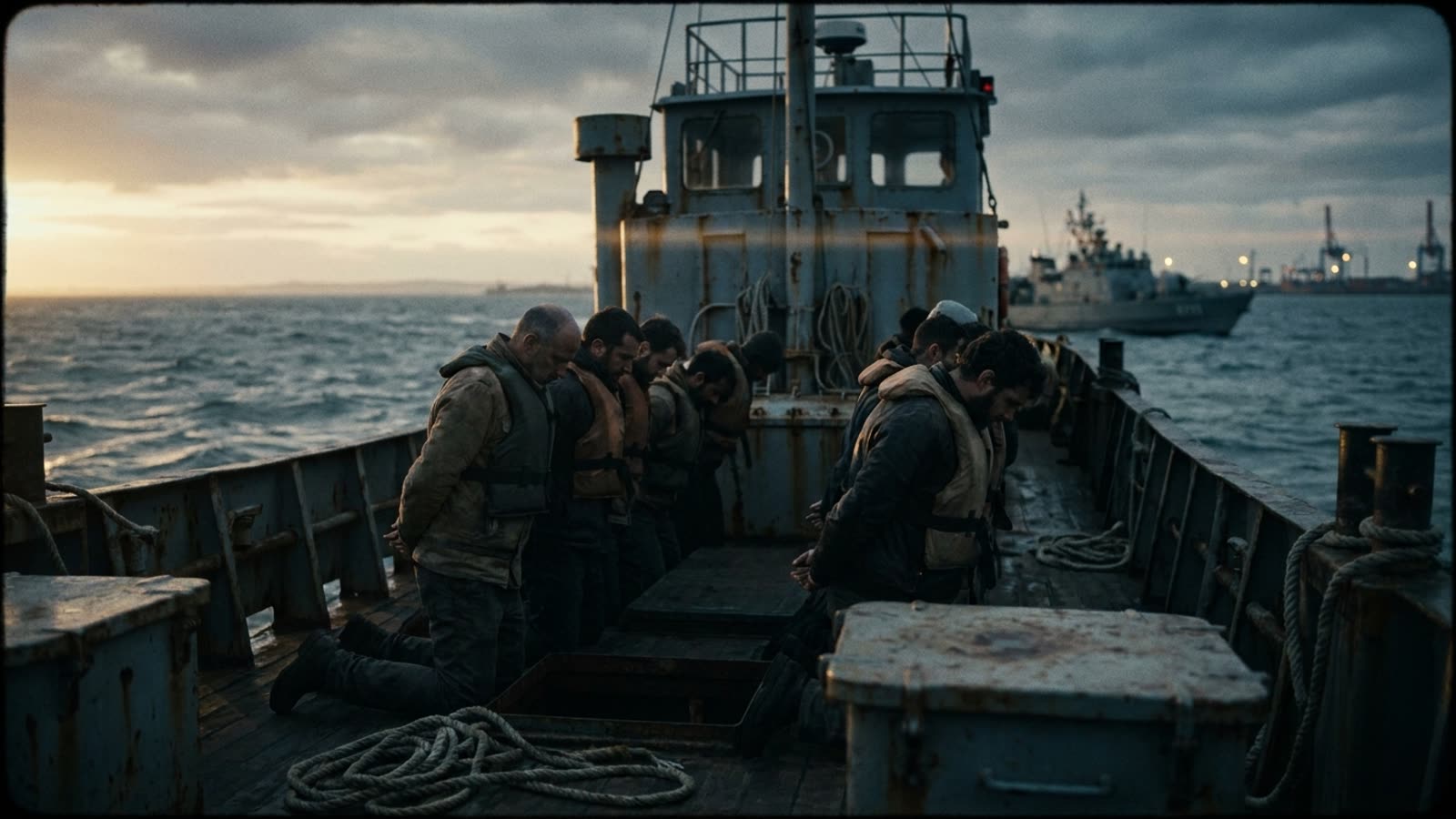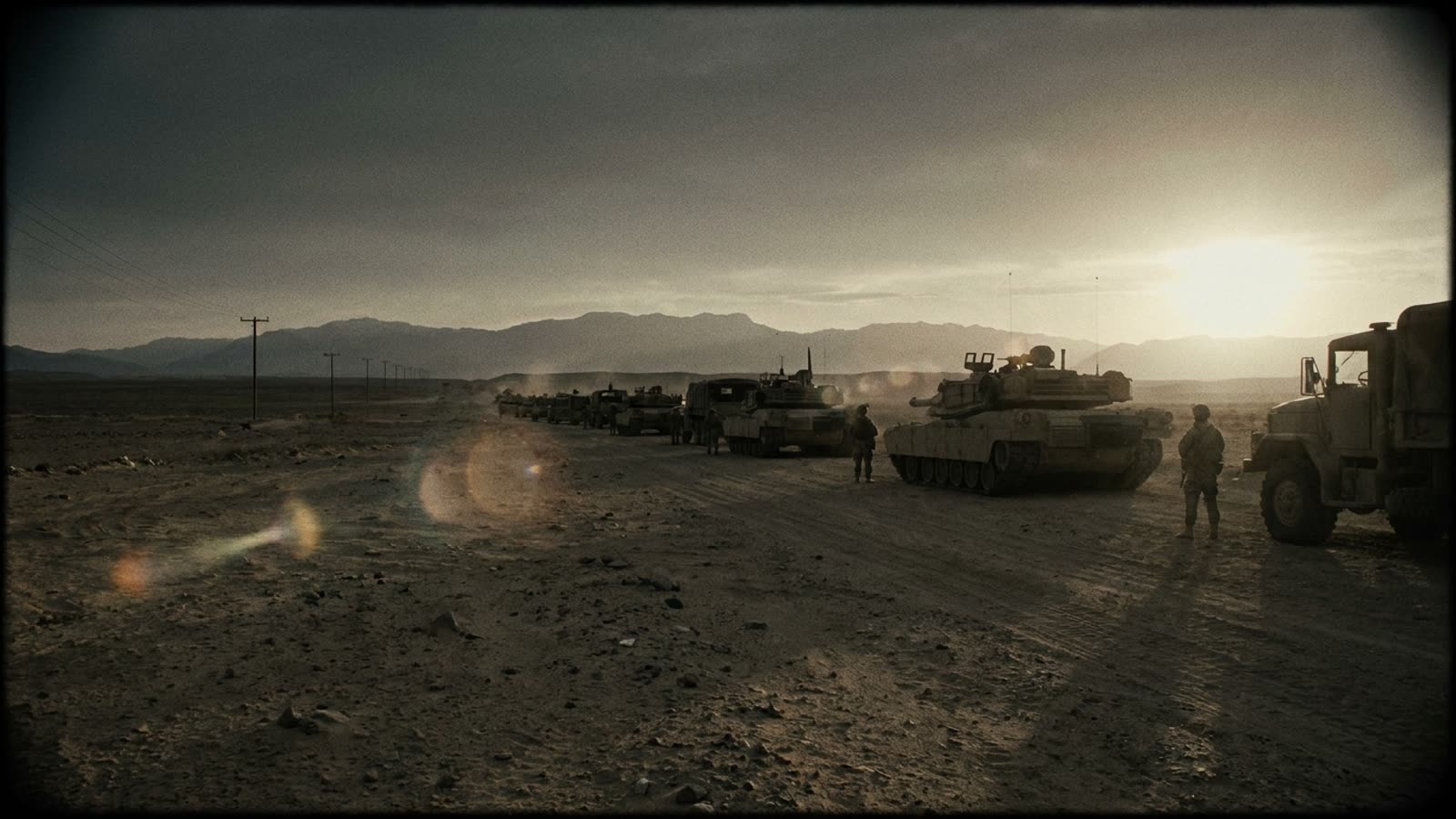
The United States came closer to a ground war with Iran than the public knew. According to sources familiar with the planning, the Pentagon had moved rapidly to prepare a military operation aimed at capturing Iran's enriched uranium stockpiles — a mission that would have put American boots on Iranian soil for the first time since the failed 1980 hostage rescue. President Trump paused it.
The revelation lands at a moment when the administration's Iran policy exists in a state of strategic incoherence. Trump has spent weeks oscillating between maximalist threats and sudden overtures toward a deal, leaving allies, adversaries, and his own national security apparatus uncertain about American intentions. That a ground mission reached the preparation stage — and was then halted — suggests the president himself may not have fully grasped how close his own government had come to triggering a regional conflagration.
The operational logic
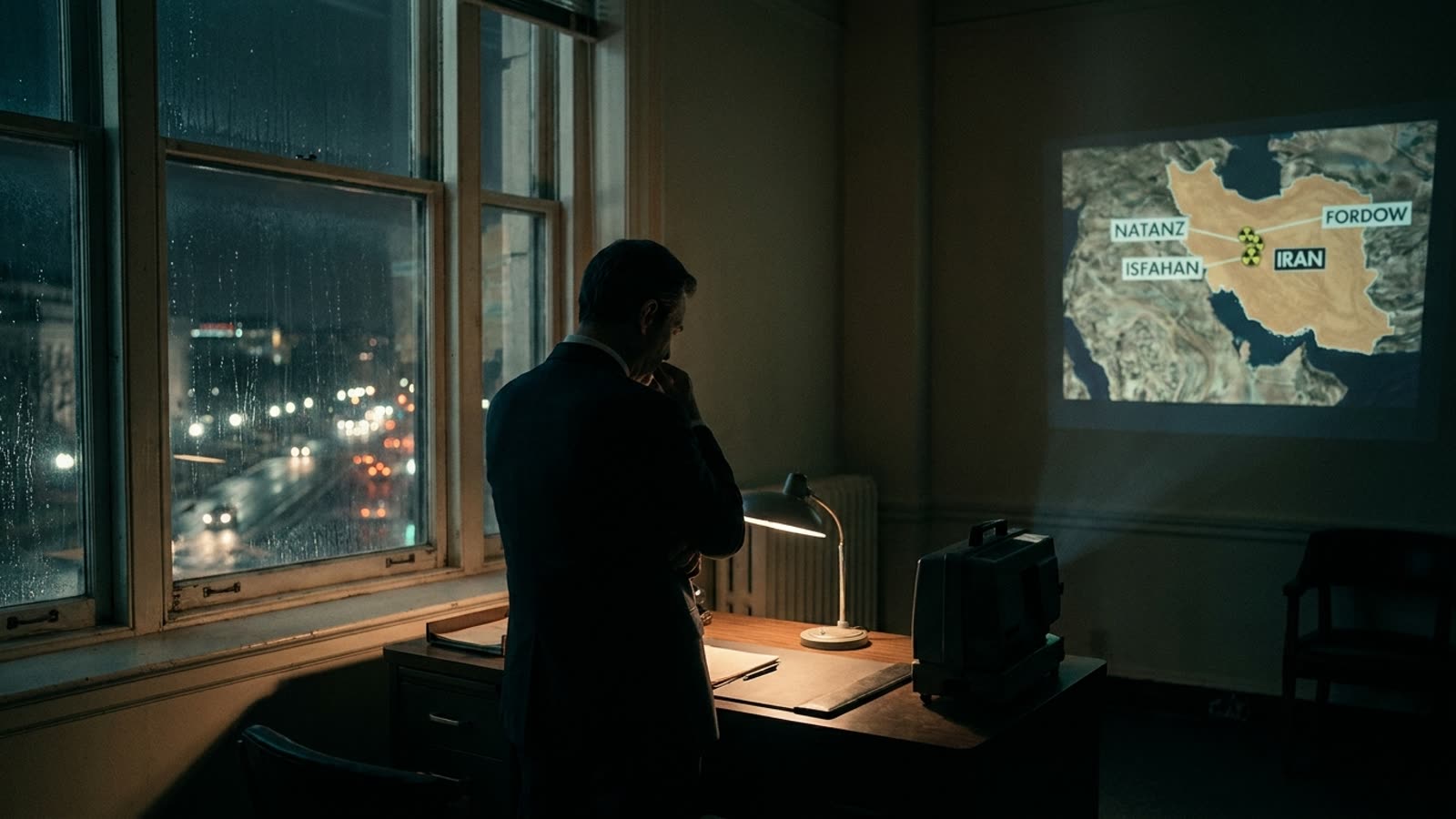
The military rationale was straightforward, if audacious: Iran's uranium enrichment program has advanced to the point where a purely aerial campaign might not neutralize the threat. Underground facilities at Fordow and elsewhere have been hardened against bunker-busters. A ground component, the thinking went, could ensure physical seizure and removal of fissile material rather than mere destruction of facilities — a distinction that matters when the goal is verifiable denuclearization rather than symbolic damage.
But ground operations in Iran carry risks that dwarf anything the U.S. has attempted since the 2003 invasion of Iraq. The country is three times Iraq's size, with mountainous terrain, a population of nearly ninety million, and a military that has spent four decades preparing for exactly this scenario. Even a limited incursion to secure nuclear sites would require supply lines stretching across hostile territory and would almost certainly trigger asymmetric responses from Iranian proxies across the Middle East.
The pause and its meaning
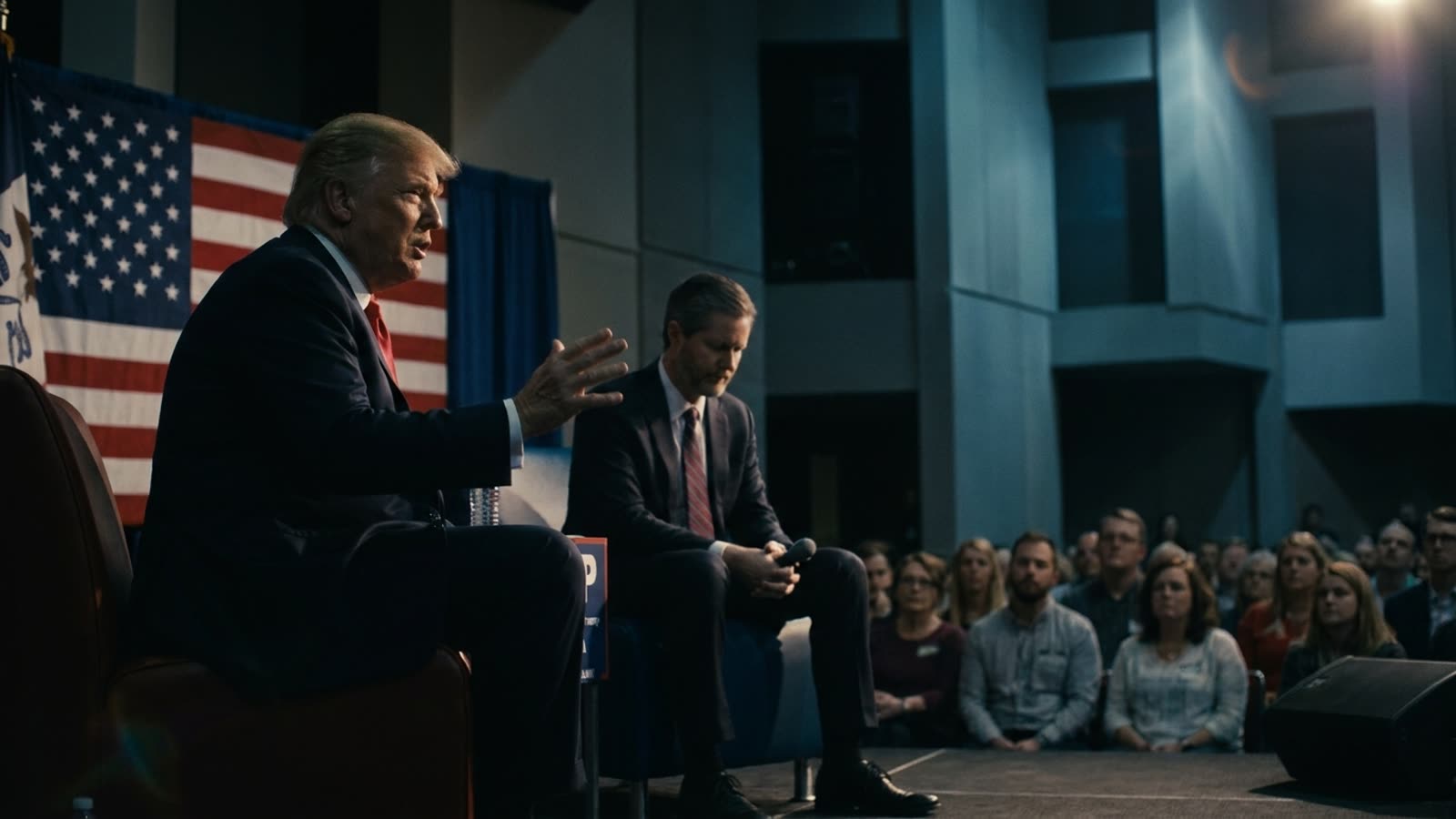
Trump's decision to halt the operation is being framed by some administration allies as evidence of restraint — proof that the president's bark is worse than his bite. But the more troubling interpretation is that the planning proceeded so far without clear presidential direction, only to be pulled back when the commander-in-chief confronted the operational realities.
This pattern — aggressive posturing followed by abrupt reversal — has defined the administration's approach to Iran throughout the current crisis. It keeps adversaries guessing, which has tactical value. But it also keeps the Pentagon guessing, which is considerably more dangerous. Military planning requires clarity of political objectives; without it, commanders are forced to prepare for every contingency, including ones the president may never have seriously intended to authorize.
The diplomatic vacuum
Meanwhile, the status of any Iran agreement remains murky. Trump has signaled that some form of deal is imminent, but the details remain contradictory, and Iranian officials have offered their own conflicting statements. The ground-mission revelation will not make negotiations easier. Tehran now knows that Washington was prepared to invade, which strengthens the hand of Iranian hardliners who have always argued that American promises cannot be trusted.
Our take
The fact that a ground invasion of Iran was on the table — prepared, resourced, and awaiting only presidential authorization — is the kind of information that should concentrate minds in Washington and beyond. Trump's pause may have been wise, but wisdom would have been wiser still earlier in the process. A presidency that lurches from threat to retreat and back again is not projecting strength; it is projecting chaos. And chaos, in the Persian Gulf, has a way of becoming self-fulfilling.