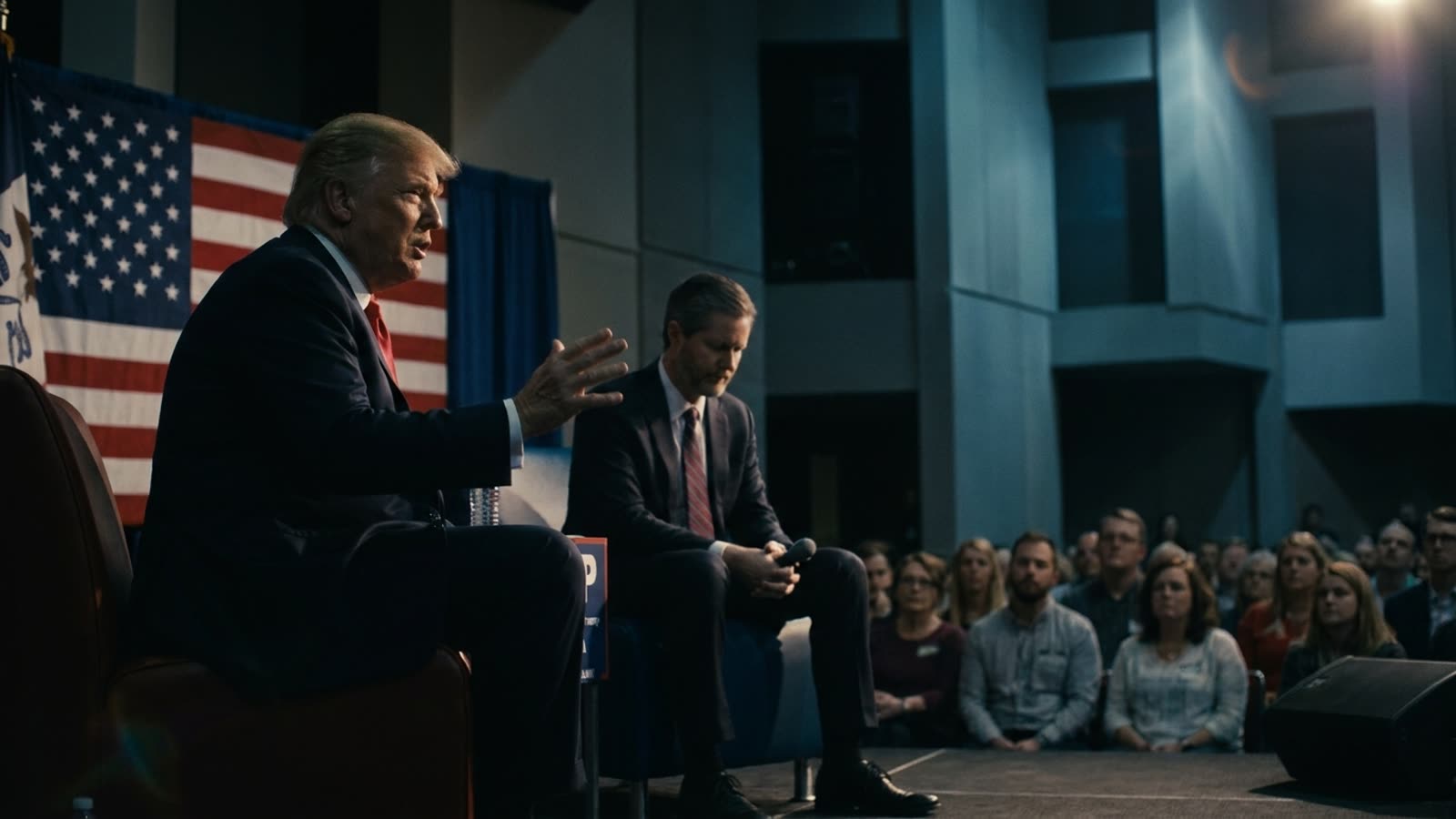
The Republican Party has spent eighteen months defending President Trump's Iran campaign as a necessary reassertion of American strength. Now, with midterm elections five months away, that defense is getting harder to sustain—and the cracks are showing in places the White House would prefer to ignore.
Senate Republicans emerging from closed-door briefings this week have adopted a notably different tone than their public statements suggest. The phrase "strategic patience" has replaced "maximum pressure" in the vocabulary of several members who requested anonymity to discuss internal deliberations. Translation: they want this resolved before voters start paying attention.
The electoral math problem
Republicans hold a narrow Senate majority and a similarly thin House margin. Both are vulnerable in ways that a prolonged, expensive military engagement tends to exacerbate. Defense hawks in safe seats can afford to sound resolute; swing-district members cannot. The latter group has been notably quieter in recent weeks, declining Sunday show invitations and letting leadership carry the messaging burden.
The concern is not abstract. Polling in competitive districts shows that while voters initially supported military action against Iran's nuclear program, enthusiasm has eroded as costs—both fiscal and human—have accumulated. The administration's announcement that it is negotiating with what it calls a "more rational" Iranian leadership has done little to calm nerves. If anything, it has raised questions about why the conflict was necessary in the first place.
The White House distraction strategy
The timing of this week's UFC spectacle on the White House lawn—reportedly costing taxpayers around sixty million dollars—has not gone unnoticed on Capitol Hill. Several Republican staffers privately described it as an attempt to change the subject, though none would say so publicly. The optics of a combat sports event while American forces remain deployed in the Persian Gulf region struck some members as tone-deaf.
Trump's team sees it differently: the UFC event plays to the base, generates favorable coverage in non-traditional media, and reinforces an image of strength and unconventionality. Whether that calculus works in suburban districts that swung Republican in 2024 is another matter entirely.
The evangelical complication
Adding to Republican anxieties is the fracturing of the evangelical coalition that proved decisive in 2024. Recent polling shows significant divisions among white evangelical voters over both the Iran campaign and the administration's immigration enforcement. These are not marginal concerns for a party that depends on evangelical turnout to win close races.
Church leaders who once provided reliable political cover have grown more circumspect. Some have questioned whether the Iran engagement aligns with just-war principles; others have expressed discomfort with the human costs of deportation operations. Neither critique has reached the level of open revolt, but the silence from pulpits that once thundered with political endorsements is itself a message.
Our take
Congressional Republicans find themselves in a familiar bind: they need the president's base to win primaries but need broader appeal to win generals. The Iran situation has made that needle harder to thread. Trump's hint at a resolution is probably genuine—he understands electoral calendars better than most—but "ending" a conflict and resolving its political consequences are different things. The members sweating through town halls this summer know that better than anyone in the West Wing.