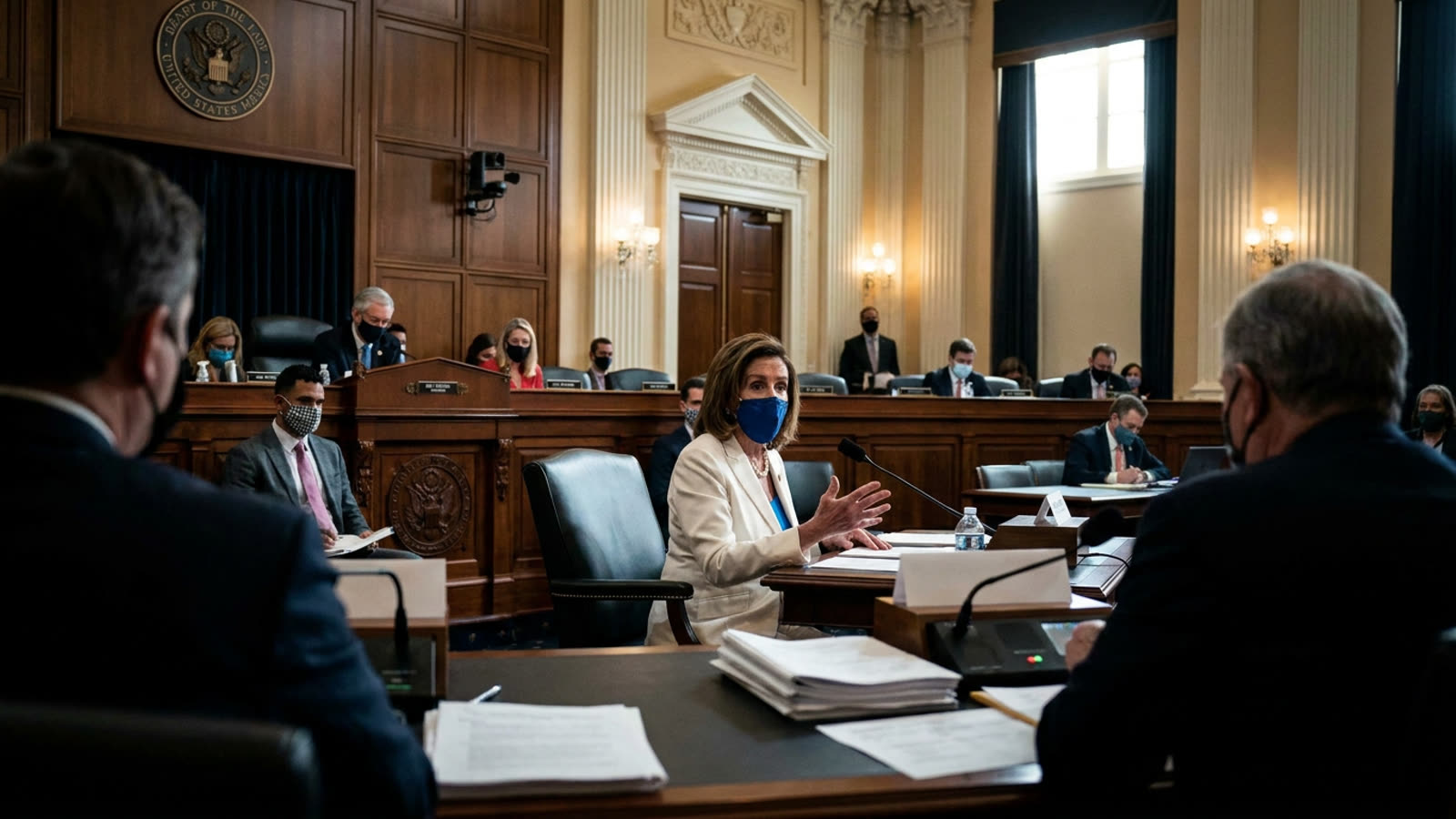
Nancy Pelosi has spent forty years mastering the dark arts of legislative combat—whip counts, procedural maneuvers, the precise calibration of when to hold a vote and when to let a bill die in committee. Now she is packaging that knowledge for export. The California Democrat announced this weekend that she will help establish an institute dedicated to training the next generation of political leaders, effectively acknowledging what her party has been reluctant to say aloud: the succession plan is incomplete.
The timing is not accidental. Pelosi, 86, has watched her party cycle through leadership transitions that ranged from awkward to catastrophic. Hakeem Jeffries inherited a caucus she had held together through sheer force of will, but the institutional memory—the understanding of how power actually moves through the Capitol—is harder to transfer than a gavel. An institute formalizes what Pelosi has always done informally: identify talent, teach strategy, and ensure that Democrats do not forget the lessons of the wilderness years.
The knowledge problem
Congressional expertise is surprisingly perishable. Staff turnover is brutal, institutional knowledge walks out the door with every retirement, and the procedural arcana that determines whether legislation lives or dies is mastered by fewer people than you would think. Pelosi's particular genius was understanding that legislation is theater as much as policy—that the sequencing of amendments, the timing of floor speeches, and the management of media cycles are all part of the same chess game.
Her institute, details of which remain sparse, appears designed to teach this holistic approach. It is not a think tank producing white papers; it is closer to a finishing school for political operators. The implicit critique of existing training pipelines—campaign schools, legislative fellowships, party committees—is that they produce specialists who understand one piece of the puzzle but not how the pieces fit together.
A party in transition
The announcement also reflects Democratic anxiety about what comes next. The party's leadership has been remarkably stable at the top for two decades, which is another way of saying it has been remarkably old. Pelosi, Steny Hoyer, Jim Clyburn—the triumvirate that ran the House Democratic caucus—were all born before the end of World War II. The generation behind them is talented but untested at the highest levels of legislative warfare.
Jeffries has proven a capable leader, but he has not yet faced the kind of existential crisis that defined Pelosi's tenure: the 2008 financial collapse, the Affordable Care Act fight, two Trump impeachments. The institute is, in part, an insurance policy—a way to ensure that when the next crisis arrives, someone knows what to do.
Our take
There is something both admirable and slightly melancholy about Pelosi's project. She is acknowledging that her skills are not innate but learned, and that they can be taught to others—a rare humility from someone who spent decades as the most powerful woman in American political history. But the need for such an institute is itself an indictment. Healthy political parties develop leaders organically; they do not require remedial education from departing legends. Pelosi is leaving Congress the way she ran it: with a plan, a purpose, and the quiet suspicion that nobody else will do it quite as well.