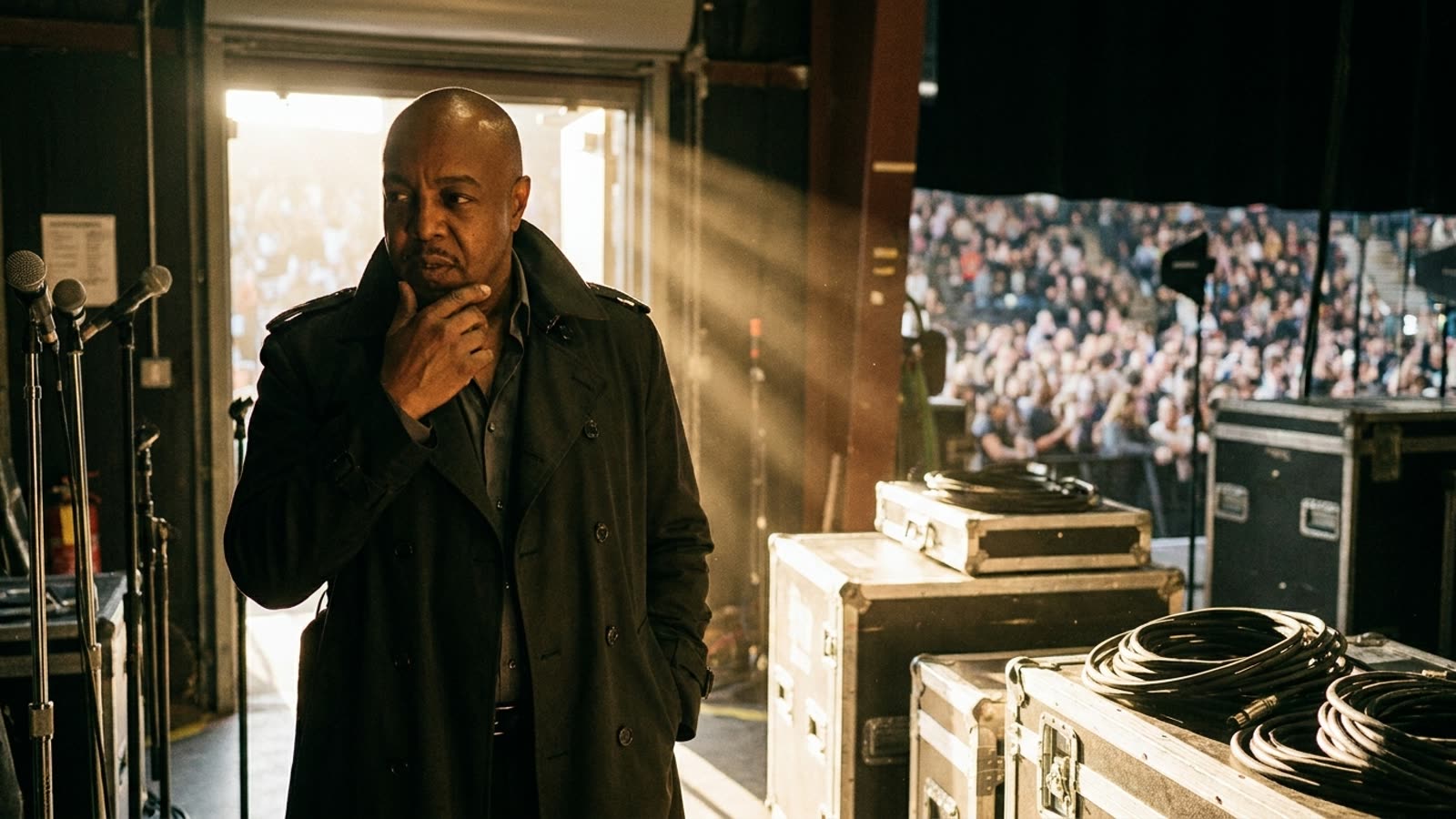
There was a particular kind of song that existed in the late 1980s and early 1990s—lush, orchestral, unironically romantic—that has since become almost impossible to make. The adult-contemporary ballad required a voice that could sell sincerity without irony, vulnerability without weakness, passion without desperation. Peabo Bryson had that voice, and he deployed it across some of the most commercially successful duets in recording history before dying this week at 75.
The news arrives with the strange temporal dislocation that accompanies celebrity deaths in the streaming age: millions who haven't thought about Bryson in years will suddenly remember every word to "A Whole New World" or "Beauty and the Beast," songs so deeply embedded in cultural memory that they've become almost invisible.
The Disney duet industrial complex
Bryson's genius—and it was a kind of genius, however unfashionable to say so—lay in his ability to elevate what could have been saccharine material into something genuinely affecting. His 1991 recording of "Beauty and the Beast" with Celine Dion won the Academy Award, the Golden Globe, and the Grammy for Best Pop Performance by a Duo. His 1992 "A Whole New World" with Regina Belle repeated the trick, sweeping the same awards circuit.
No other artist has won Oscars for two different Disney animated features. The achievement speaks to something beyond mere vocal ability: Bryson understood how to inhabit a song's emotional architecture, how to make a three-minute piece feel like a complete romantic narrative.
Before the mouse, the R&B years
The Disney association, lucrative and legacy-defining as it was, somewhat obscured Bryson's earlier career as a serious R&B artist. His collaborations with Roberta Flack—"Tonight, I Celebrate My Love" chief among them—established him as a premier duet partner in the early 1980s. He recorded with Natalie Cole, Melissa Manchester, and Kenny Rogers, each pairing reinforcing his reputation as the male voice you wanted when the song demanded emotional credibility.
Bryson suffered a heart attack in 2019 that significantly curtailed his performing career, though he continued to make occasional appearances. Born in Greenville, South Carolina, he began singing professionally as a teenager, a trajectory that now seems almost quaint—the idea of a decades-long career built on vocal craft rather than social media presence.
Our take
Peabo Bryson belonged to an era when a certain kind of earnestness was not only permitted but celebrated, when a love song could be unambiguously romantic without being dismissed as corny. His death closes a chapter on a style of popular music that streaming economics have made nearly extinct—the mid-tempo ballad that required nothing from its listener except the willingness to feel something. The Disney songs will live forever, embedded in the childhood memories of multiple generations. But the quieter R&B work deserves rediscovery: it's a masterclass in what a human voice can do when given room to breathe.