The Federal Reserve's preferred measure of inflation accelerated to its fastest annual pace since April 2023, delivering the clearest signal yet that rate cuts before autumn are fantasy. The Personal Consumption Expenditures price index rose at an annual rate that reflects not transitory noise but structural pressure—energy costs rippling through supply chains, defense spending stoking demand, and a labor market that refuses to cool on schedule.
For months, markets clung to the hope that disinflation would resume its 2024 trajectory. That thesis required ignoring the obvious: a hot war in the Middle East, elevated oil prices, and fiscal policy running hotter than any peacetime precedent. April's data makes denial harder.
The war premium is now embedded
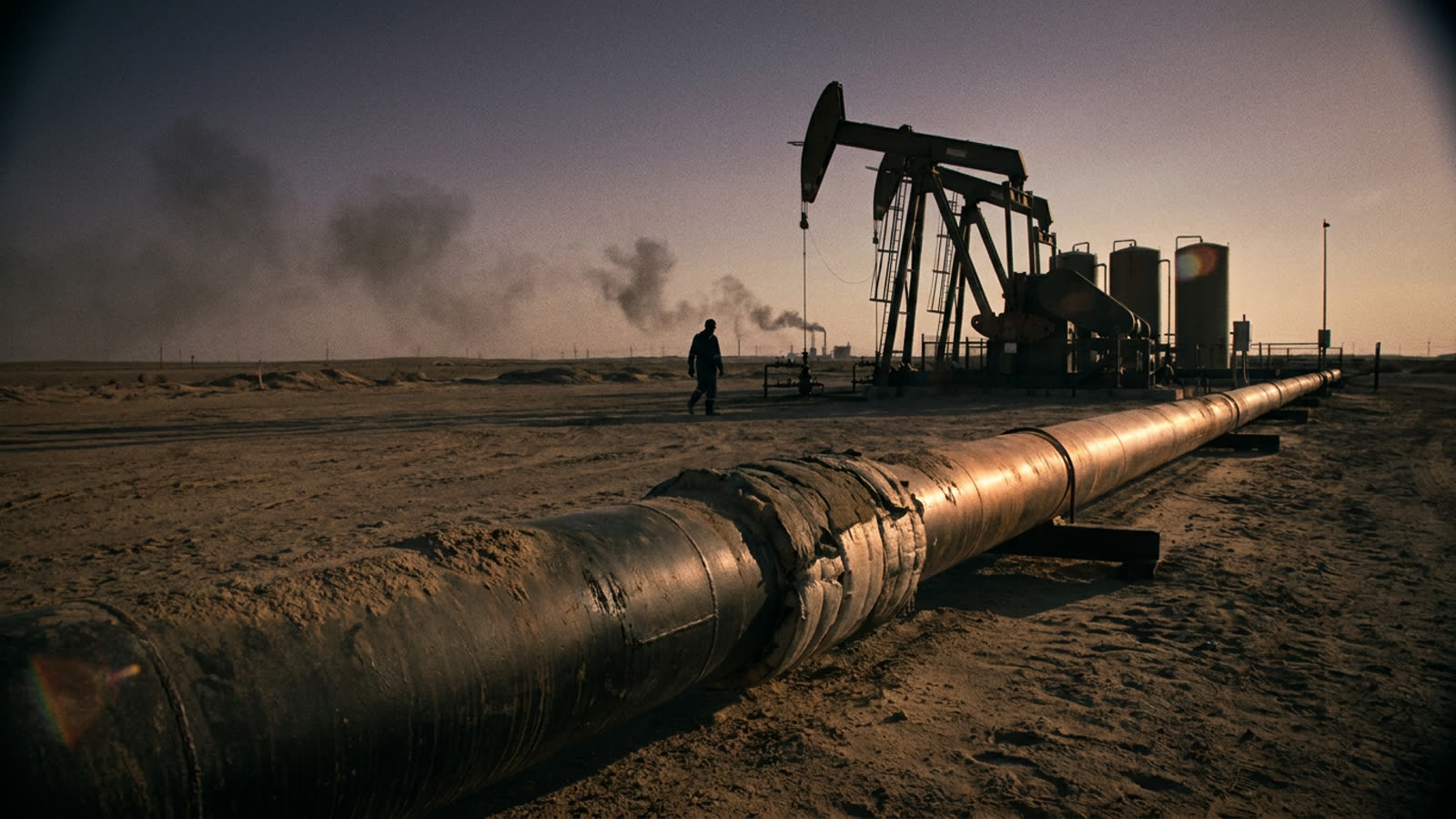
The surge in energy costs following escalating hostilities with Iran has done what economists warned it would—leaked into core prices. Transportation, logistics, and manufacturing inputs all carry the war premium now. Unlike the 2022 supply-chain shock, which unwound as ports cleared, this pressure has a geopolitical floor. As long as the Strait of Hormuz remains a flashpoint, energy volatility stays elevated, and so does headline inflation.
The Fed's models assumed oil would stabilize around $75. It hasn't. Every dollar above that assumption tightens the central bank's room to maneuver.
The labor market complicates everything
Unemployment remains historically low, wage growth sticky. In a normal cycle, the Fed might tolerate above-target inflation if growth were faltering. But growth isn't faltering—consumer spending held firm through Q1, and April retail figures suggest no imminent pullback. The Fed's dual mandate offers no easy exit: cutting rates to support growth that doesn't need support while inflation runs hot is politically and institutionally untenable.
Chair Powell has spent two years building credibility on inflation-fighting. One premature cut could unwind that entirely.
What the bond market already knows
Treasury yields have been telling this story for weeks. The two-year note, most sensitive to near-term Fed policy, has climbed steadily since mid-April. Futures markets now price the first cut no earlier than November, with meaningful probability assigned to December or beyond. The "three cuts in 2026" consensus from January looks quaint.
For equity investors, the implication is straightforward: the liquidity tailwind isn't coming. Valuations must stand on earnings growth alone, without the multiple expansion that rate cuts typically provide.
Our take
The inflation print is bad news, but it's clarifying news. The Fed's path is now obvious: hold rates through summer, reassess in autumn, and pray the Middle East doesn't escalate further. Investors who positioned for a dovish pivot have already paid the price. Those who accepted the war-economy reality—higher for longer, with geopolitical risk priced in—are at least not surprised. The summer will be boring for monetary policy. That's probably the best outcome available.